3 hr
Azores Whale Watching with Marine Biologist & Islet Tour
- Entry ticket
- Mobile voucher
- Valid same day
- Free cancellation
Azores Snorkeling — Volcanic Reefs & Atlantic Marine Reserves
Crystal waters meet basalt shores, where cetaceans patrol the gulf stream.
Compare fares, pick the fit — all bookings are mobile-voucher and eligible for free cancellation where shown.
3 hr
2 hr
1 hr
| Experience | Duration | Rating | Guide | Small group | Free cancel. | Price | |
|---|---|---|---|---|---|---|---|
|
Standard Entry
Most popular
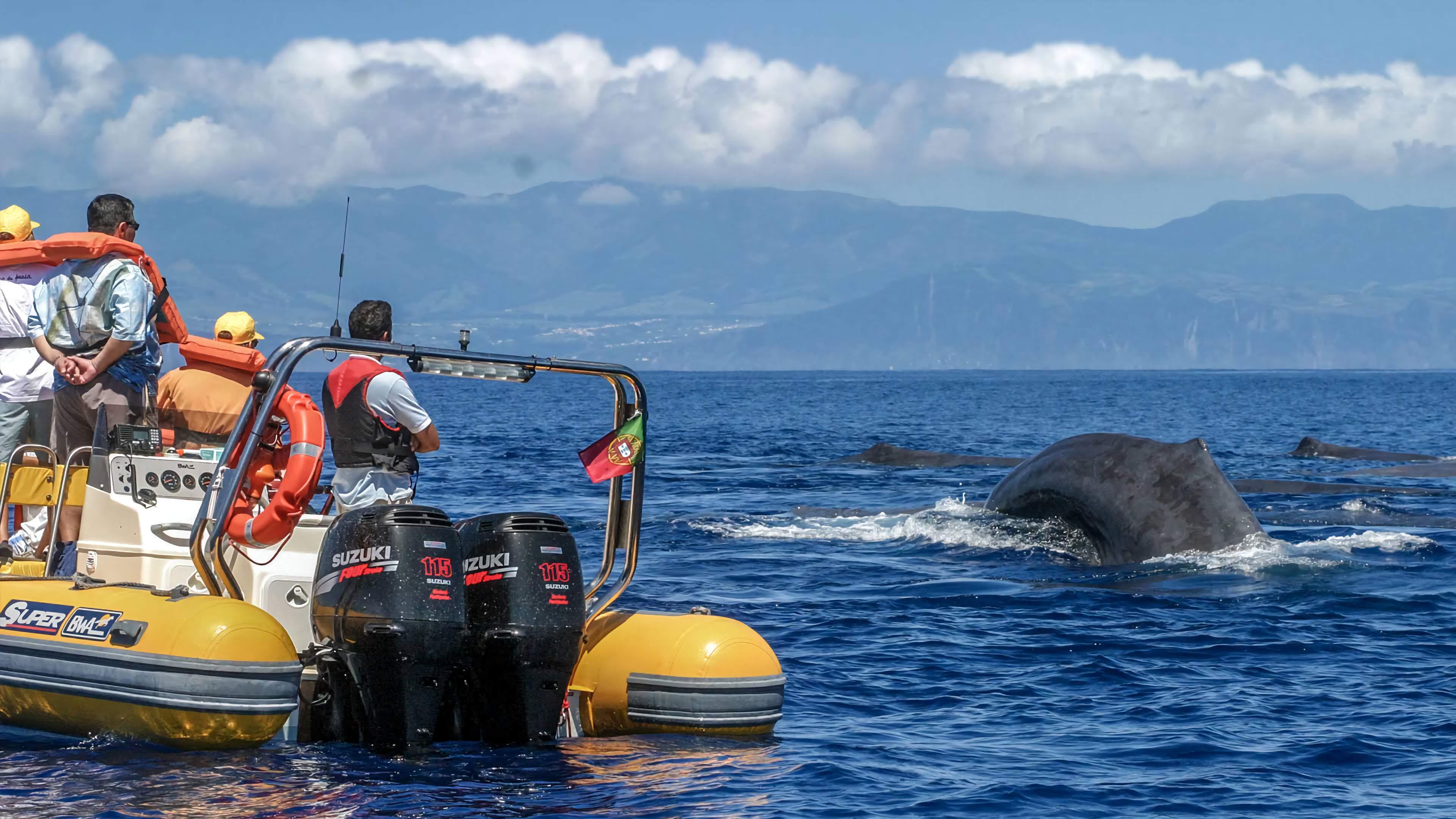
Azores Whale Watching with Marine Biologist & Islet Tour
|
3 hr | ★ 4.7 | ✓ | ✓ | ✓ | €65 | Book → |
|
Standard Entry
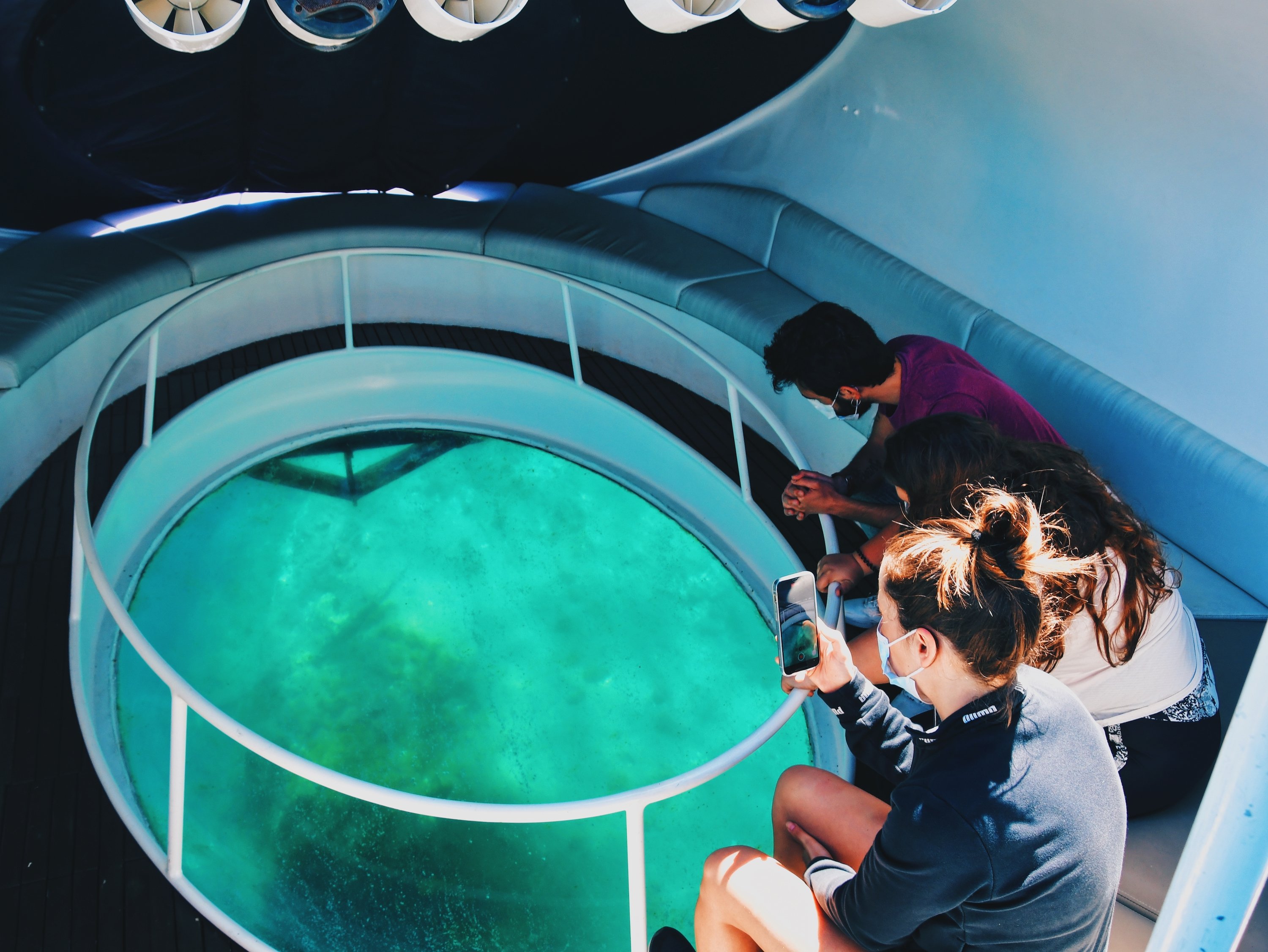
Glass Bottom Boat & Snorkeling Adventure in São Miguel
|
2 hr | ★ 4.7 | ✓ | — | ✓ | €50 | Book → |
|
Standard Entry
Vila Franca do Campo Islet Snorkeling Adventure
|
1 hr | ★ 4.8 | — | ✓ | ✓ | €31 | Book → |
They complement each other; most visitors who do both call scuba diving the more immersive option for exploring deep volcanic reefs, while azores snorkeling tours offer spontaneous access to coastal biodiversity.
|
Top pick Snorkeling |
Scuba Diving | |
|---|---|---|
| Ease of Access | Shore-entry possible | Boat-based logistics required |
| Equipment Needed | Mask, snorkel, fins | Full tank, BCD, regulator |
| Depth and Visibility | Surface level, high clarity | Deep water, varying visibility |
| Interaction with Marine Life | Observe from surface | Close proximity to pelagics |
| Training Required | None | PADI or CMAS certification |
| Cost | 0 EUR | 100–150 EUR per dive |
| See tickets & prices |
Verdict: Choose the azores snorkeling tour for a flexible, free-form experience, or book a scuba diving excursion if you possess the required certification to explore the depths of this atlantic archipelago.
Hand-picked experiences loved by thousands of travelers
3 hours
Free Cancellation
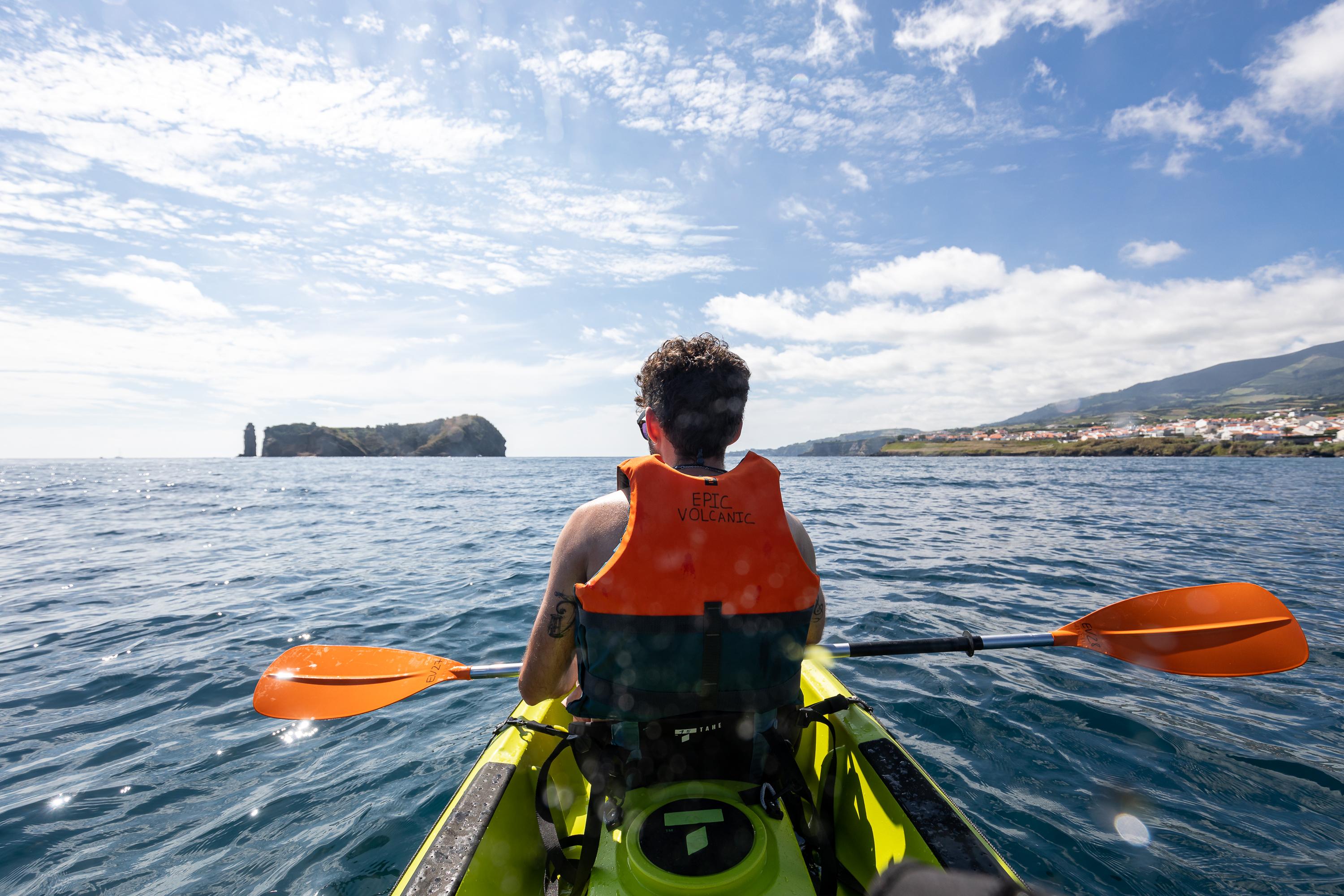
Paddle to a volcanic crater island, explore sea caves, and snorkel in crystal-clear Atlantic waters
1 hour
Free Cancellation
Cruise around a dramatic volcanic crater islet with guided snorkeling, marine life spotting, and a biologist aboard.
8 hours
Free Cancellation
Full-day marine safari with dolphin encounters, volcanic crater lagoon swim, and expert biologist guidance
3 hours
Free Cancellation
Swim inside a volcanic crater reserve, explore rich marine life, and discover the Azores' hidden underwater gems.
3 hours
Free Cancellation
Explore underwater Atlantic wonders around a protected island reserve with expert guides and gear
4 hours
Free Cancellation
Trek through ancient woodland to a wild waterfall, then snorkel a volcanic reef teeming with marine life.
8 hours
Free Cancellation
Encounter marine life with expert biologists, then swim in a volcanic crater lagoon on this full-day ocean experience.
2 hours 30 minutes
Free Cancellation
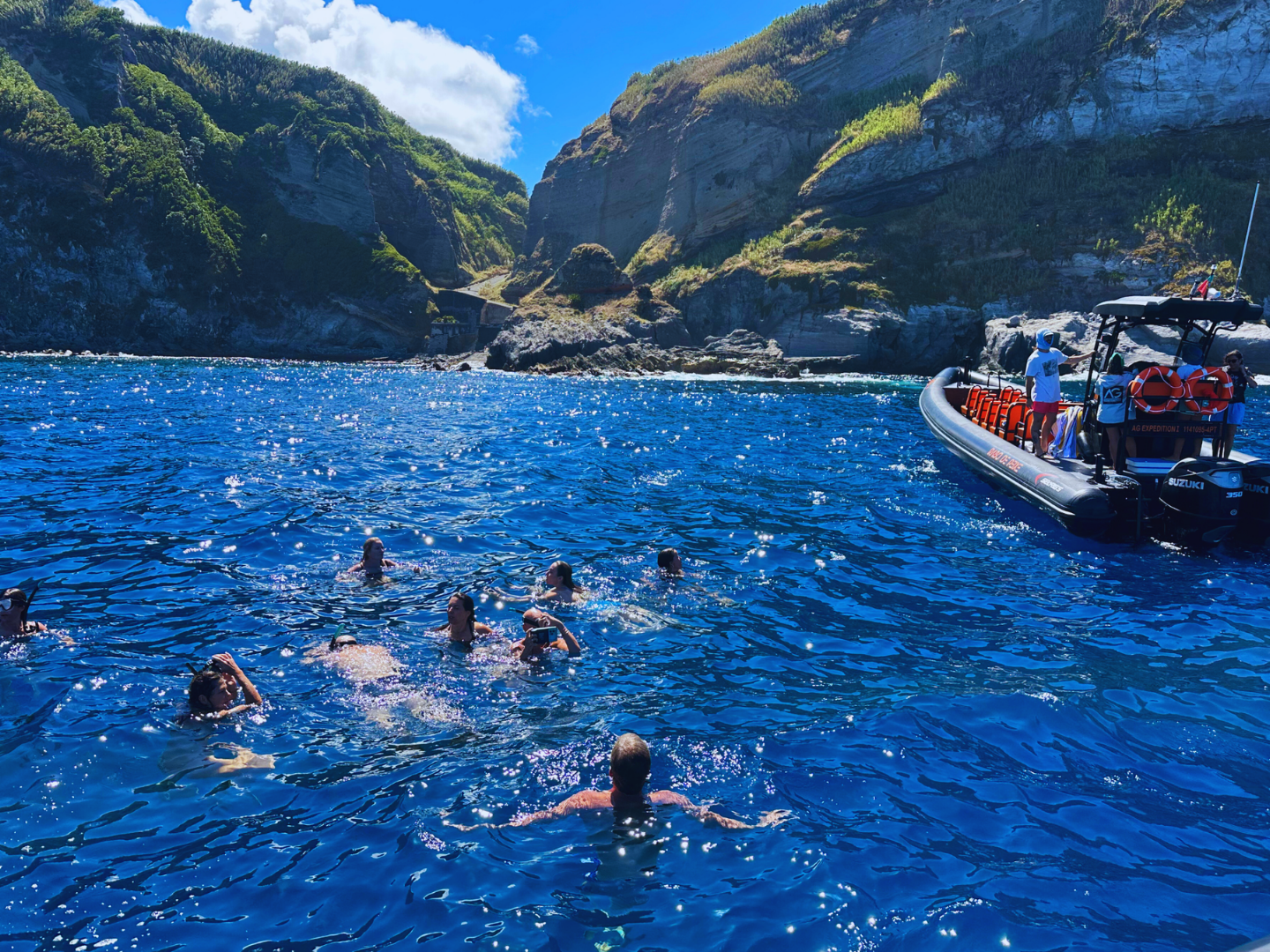
Explore volcanic reefs and hidden caves on an exclusive boat tour along São Miguel's wild north shore
Inspect equipment and check local sea conditions.
Navigate safely into the water from marked entry points.
Explore the volcanic seabed and coastal flora.
Return to shore and rinse equipment with fresh water.
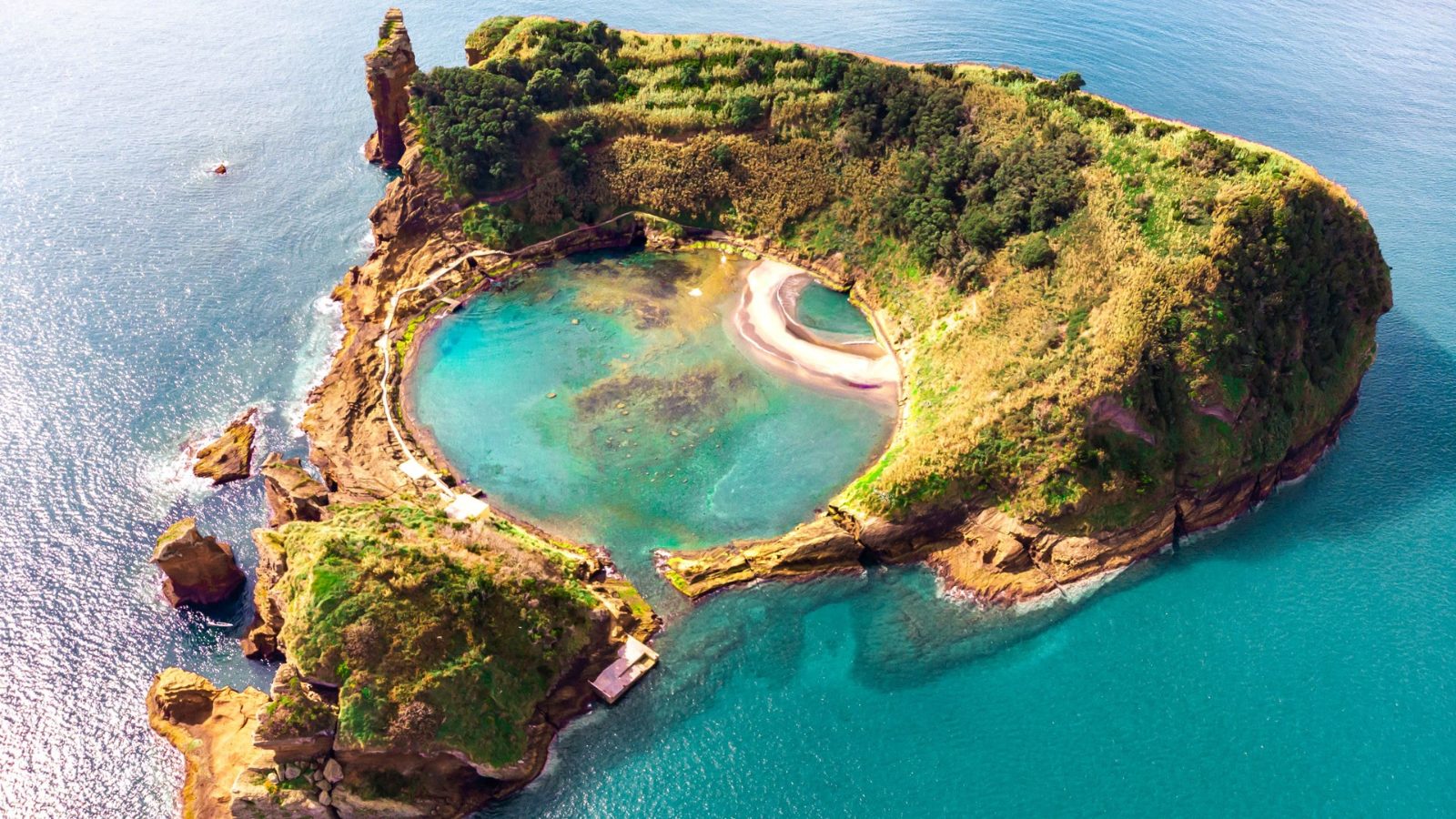
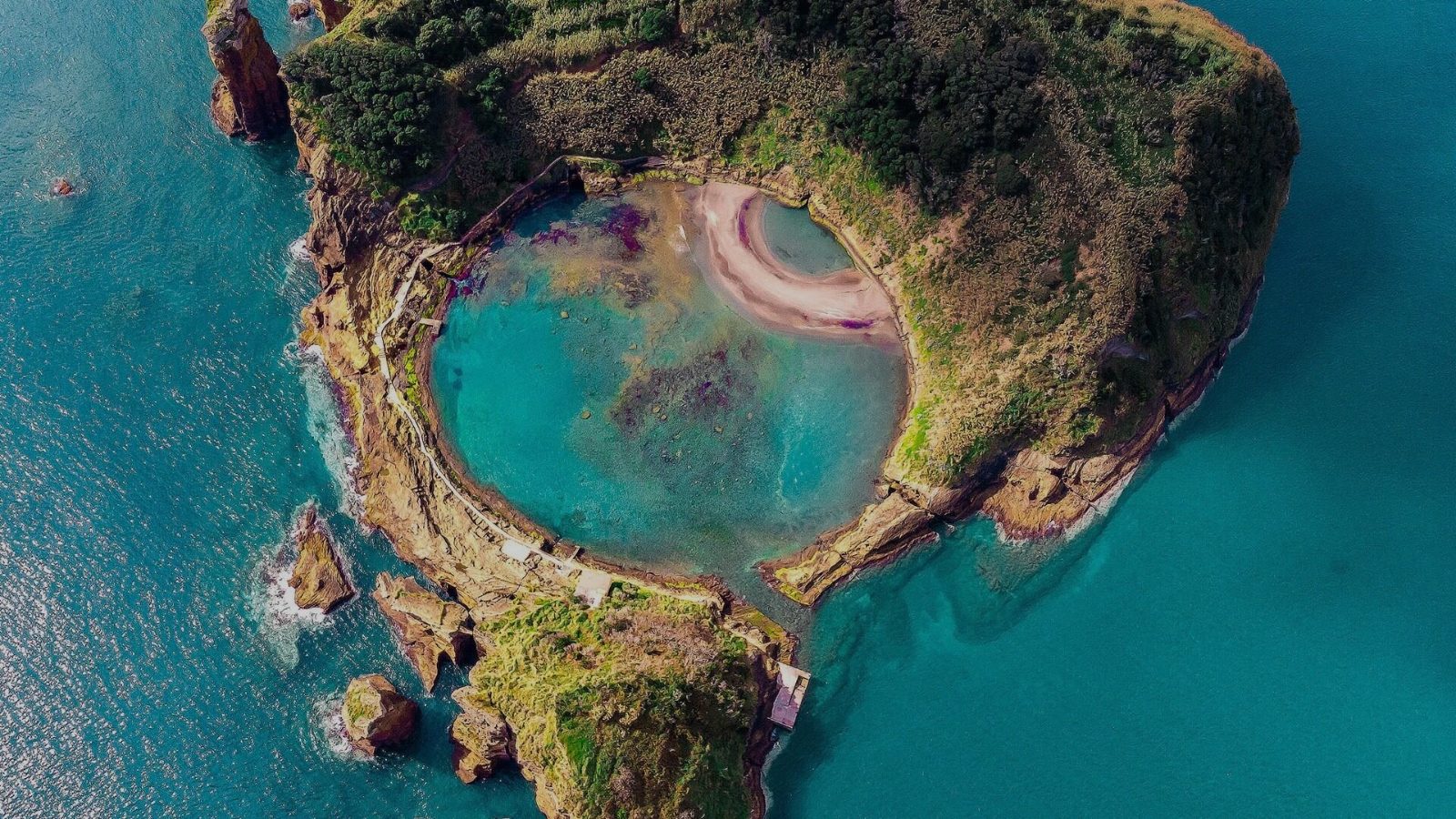
A sunken volcanic crater forming a protected marine lagoon ideal for snorkeling.
Unique basalt rock formations provide intricate habitats for varied Atlantic fish species.
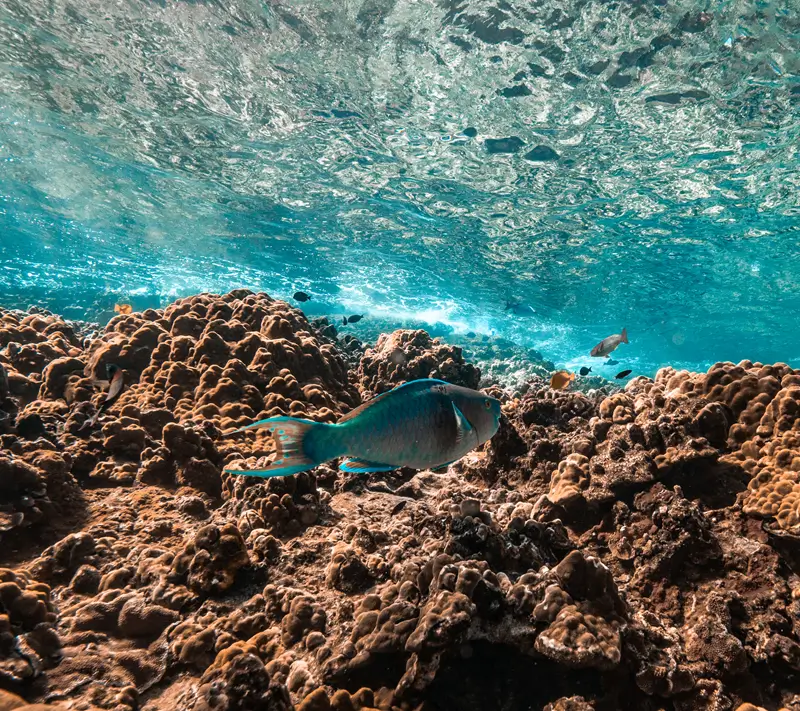
Look for dusky groupers, parrotfish, and sea bream inhabiting these pristine waters.
Sheltered coves offer calm, transparent water conditions perfect for underwater viewing.
Observe the dramatic underwater topography shaped by the region's intense volcanic history.
You board a rigid inflatable from Ponta Delgada harbour at 09:30, the sun already high enough to eliminate surface glare. The boat rounds São Miguel's southeastern headland, passing terraced hillsides that plunge into cobalt water.
Fifteen minutes offshore, the engine cuts near Vila Franca islet—a collapsed volcanic cone forming a natural amphitheatre. You descend a ladder into 21°C water, the Atlantic surprisingly calm within the crater's embrace.
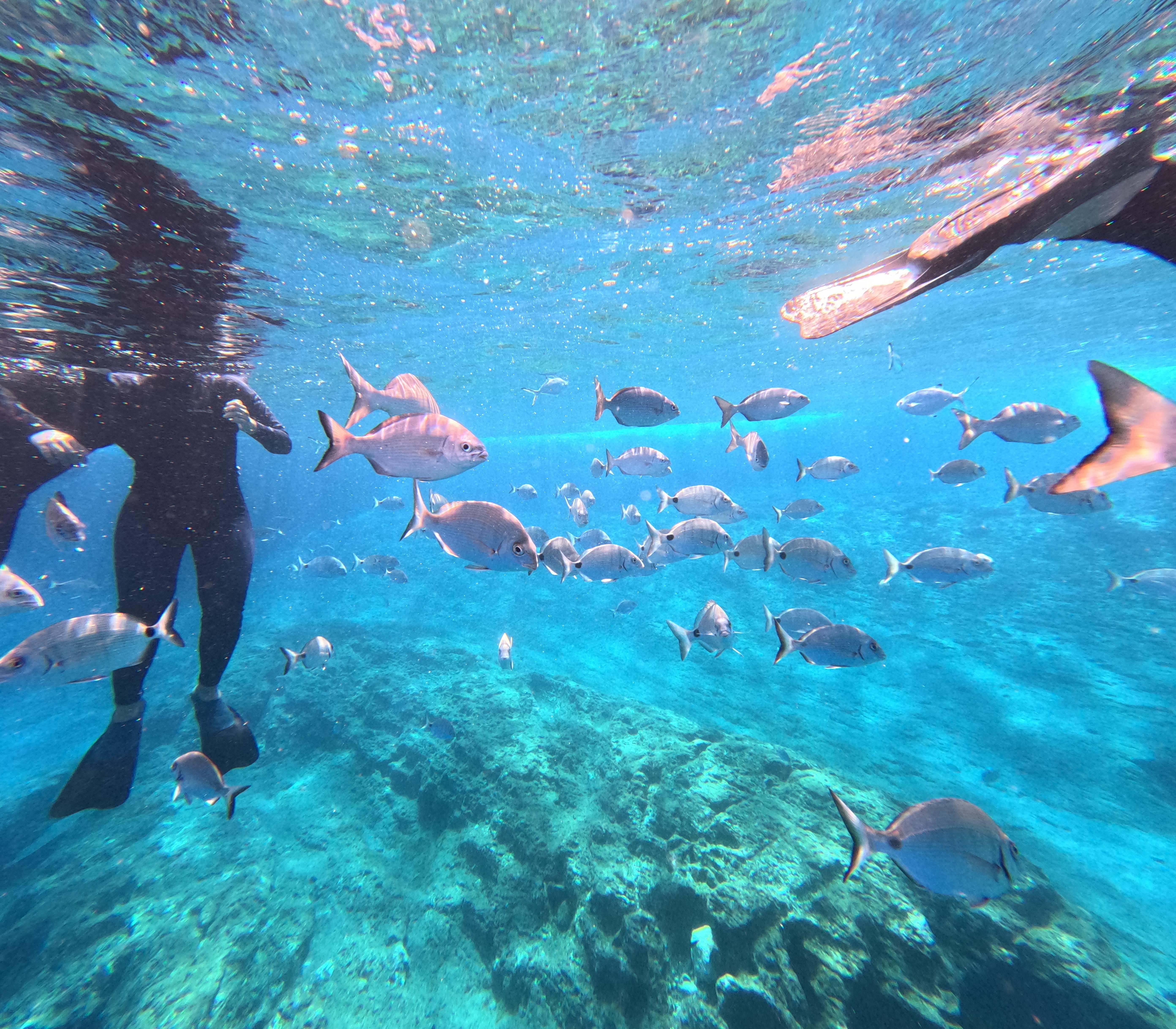
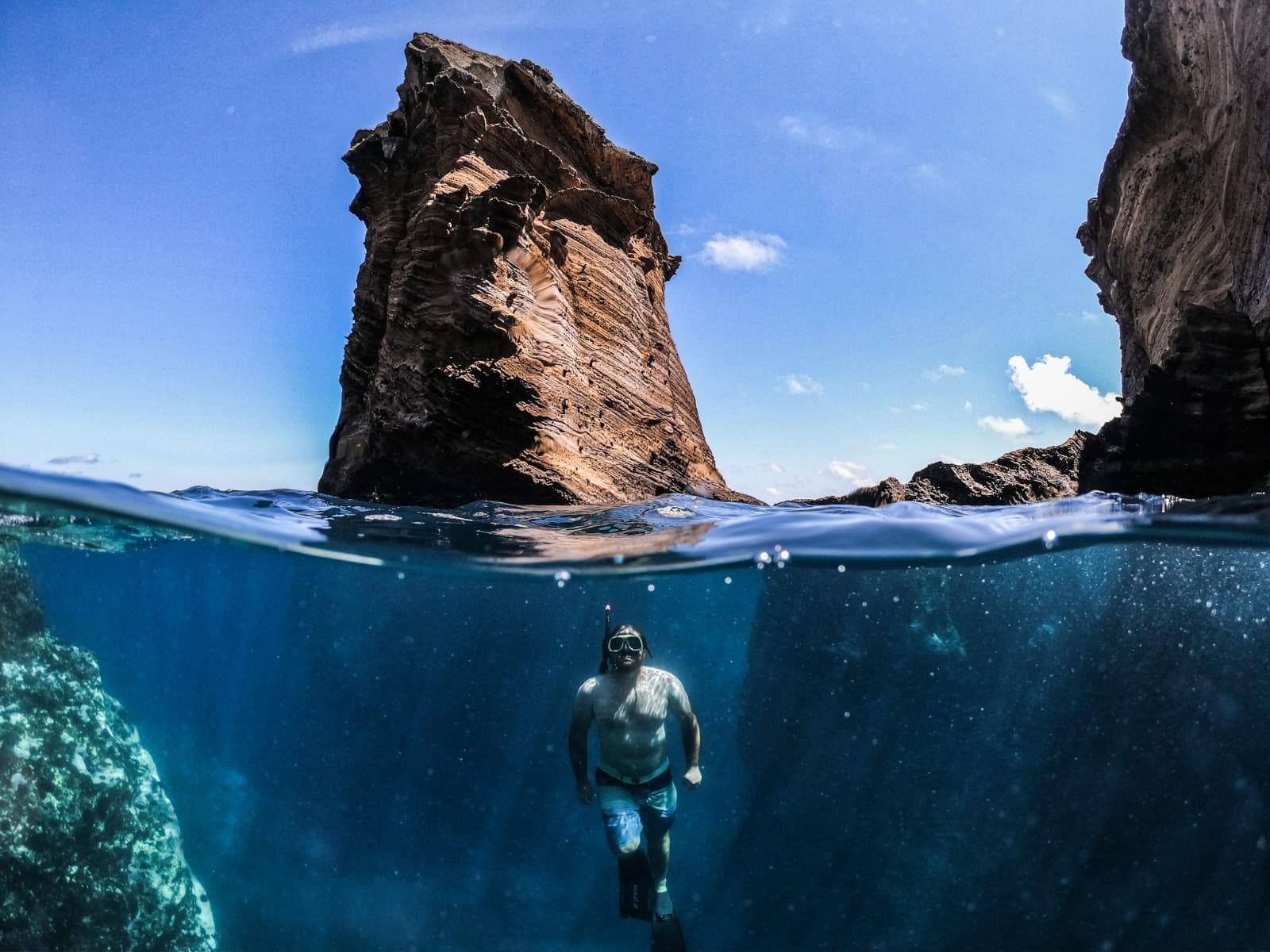
You kick toward the centre, mask flooding once before you clear it and peer down. Schools of bogue dart beneath you, their silver flanks catching light in synchronized pulses. A dusky grouper, easily a metre long, idles near a basalt overhang encrusted with yellow sponges and green algae. You surface, breathe, then dive two metres to inspect a crevice where a moray eel withdraws deeper into shadow.
The guide signals toward the islet's outer wall, where the protected interior meets open ocean. You swim through a natural archway, current pulling gently seaward, and find yourself suspended above a dropoff descending 40 metres into indigo. Parrotfish graze the rock face beside you. In the distance, a pod of common dolphins arcs through the surface—close enough to hear their clicks underwater, far enough to respect the 50-metre buffer zone. You return to the boat after 45 minutes, wetsuit peeled to the waist, skin tingling from salt and exertion.
All the details about your upcoming adventure in one place
The Azores archipelago offers year-round access to crystal-clear Atlantic waters teeming with marine life. Azores snorkeling tours take you to sheltered bays and volcanic rock formations where colorful fish, rays, and occasional dolphins appear in visibility that often exceeds 20 meters. Most azores snorkeling experiences include wetsuit rental and guide instruction, making underwater exploration accessible along these mid-Atlantic islands.
The Azores archipelago sits atop the Mid-Atlantic Ridge, where tectonic plates diverge and volcanic chimneys funnel nutrient-rich currents into shallow coastal bays.
These nine islands, scattered across 600 kilometres of open ocean, sustain marine reserves that host over 600 documented species—manta rays, dusky groupers, moray eels, and seasonal cetacean migrations that bring sperm whales and dolphins within metres of the shoreline. The volcanic substrate, cooled into basalt columns and lava tubes, creates a labyrinth of underwater topography distinct from coral ecosystems found in warmer latitudes.
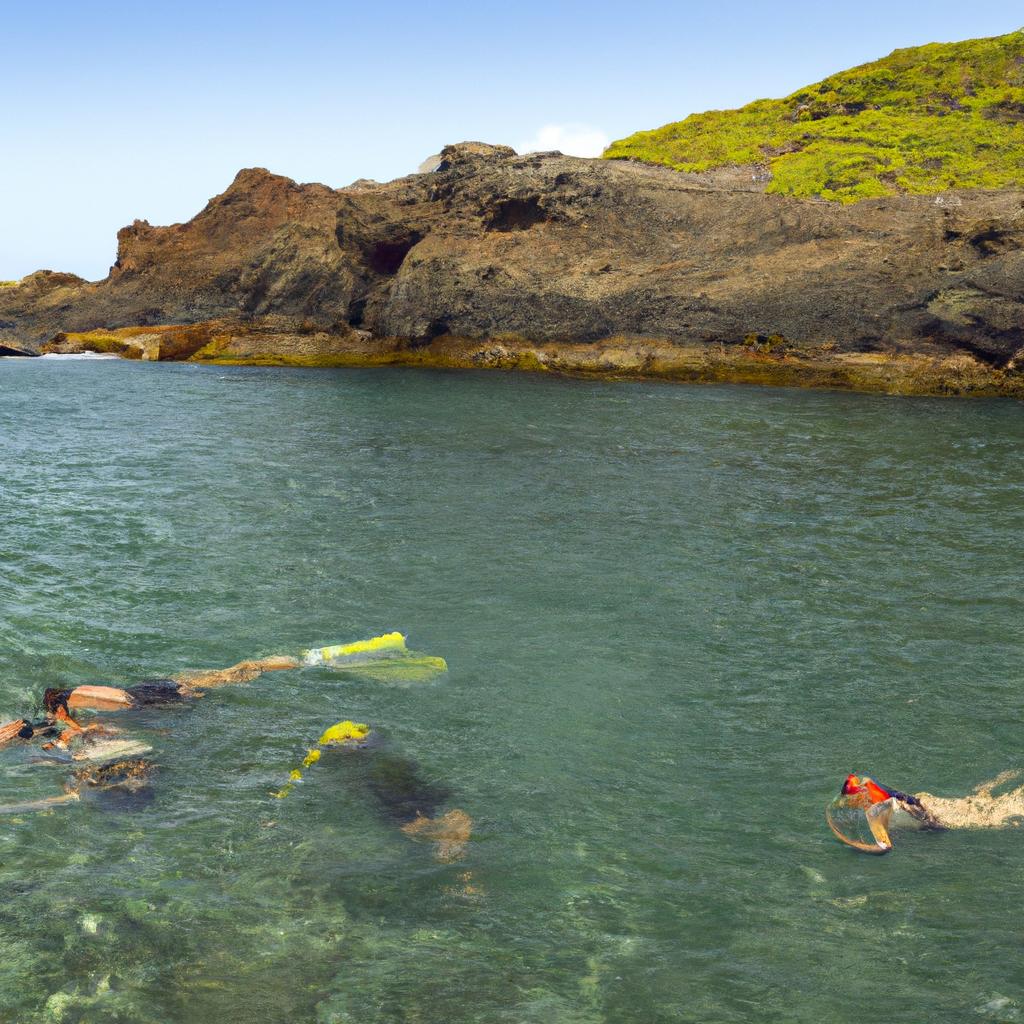
Azores snorkeling sites span calm sheltered coves on São Miguel's south coast to exposed Atlantic-facing bays on Pico and Faial, where the Azores Current moderates water temperatures year-round between 17°C and 24°C. Visibility extends 20 to 30 metres during summer months, when sunlight penetrates the water column and illuminates algae-covered rock formations that shelter parrotfish, damselfish, and Atlantic lizardfish. The Monte da Guia marine reserve on Faial prohibits fishing, allowing biomass densities to reach levels unseen in mainland Europe. Snorkelers entering these protected zones encounter schools numbering in the hundreds, circling submerged craters formed during submarine eruptions millennia ago.
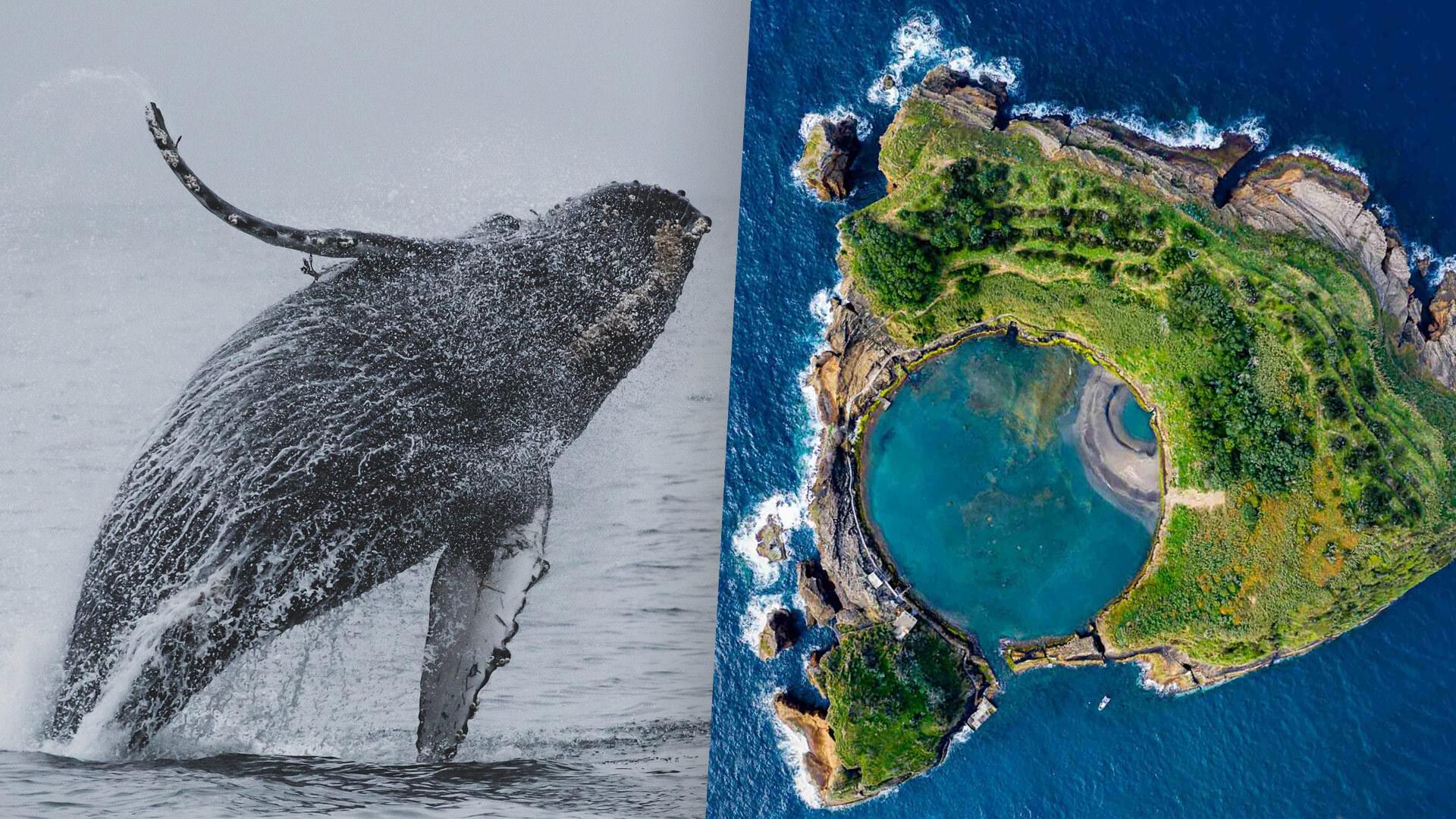
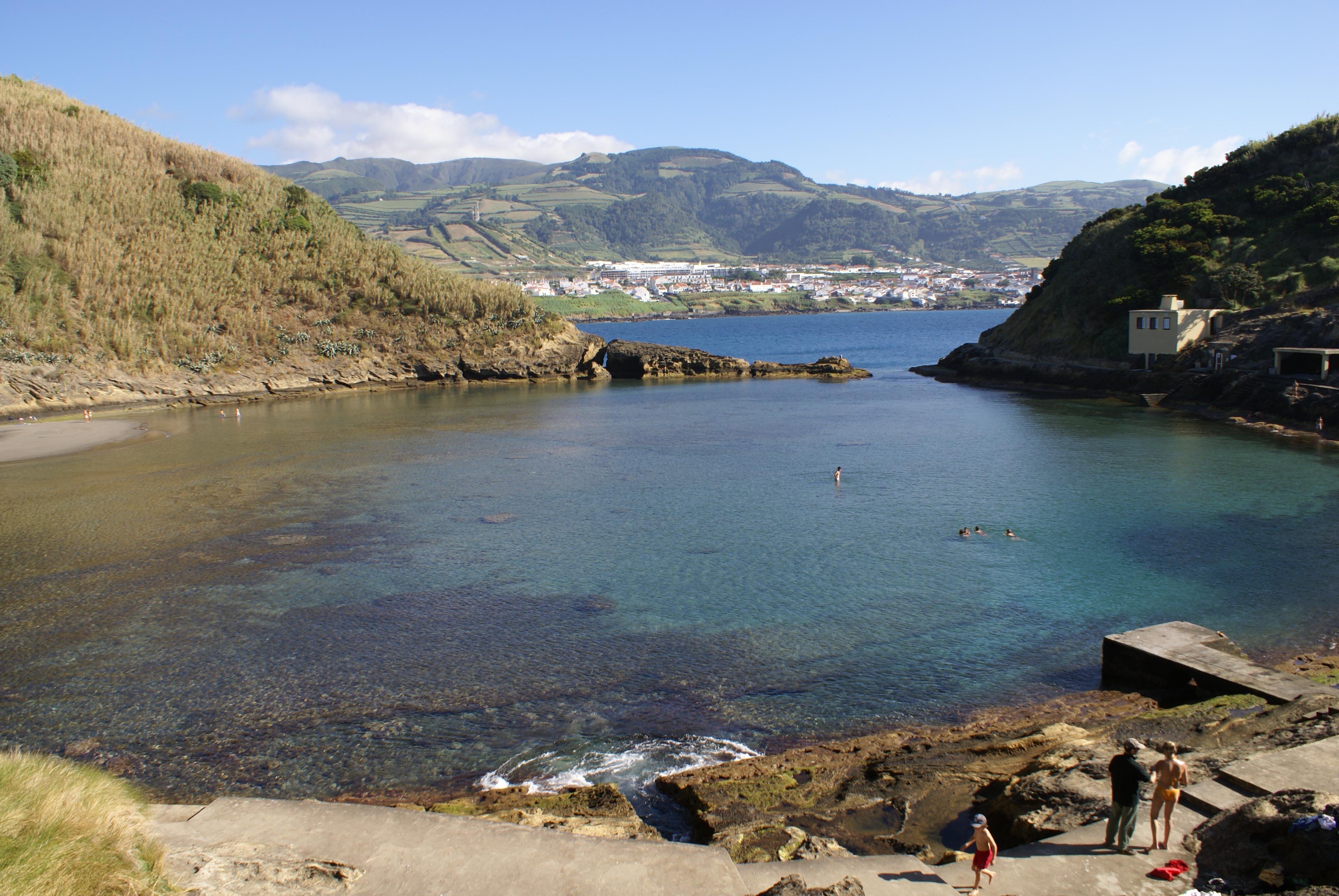
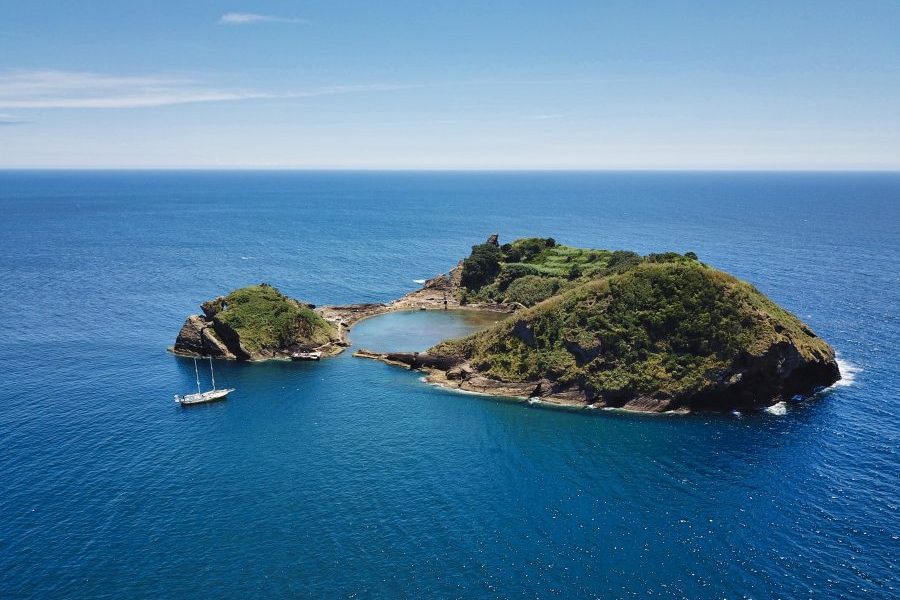
The archipelago's isolation fosters endemism—species like the Azorean chromis exist nowhere else on Earth. Underwater volcanic arches on Terceira and São Jorge frame swim-throughs where barracuda patrol the thermocline, and octopuses camouflage against black sand slopes. Azores snorkeling tours depart from harbours on all nine islands, though São Miguel's Vila Franca do Campo islet, a sunken volcanic crater accessible only by boat, remains the most frequented site. The islet's circular lagoon, 150 metres in diameter, traps calm water and concentrates juvenile fish, creating conditions suitable for novice snorkelers while advanced swimmers explore the outer rim where Atlantic swells meet basalt walls.
Seasonal whale migrations between April and October position the Azores as one of few Atlantic locations where snorkelers share the water column with cetaceans. Guided expeditions monitor hydrophone data to locate pods, then position participants for surface encounters that comply with marine mammal protection protocols. The confluence of volcanic geology, oceanic currents, and mid-ocean positioning renders Azores underwater landscapes singular within European waters—a marine environment shaped by tectonic forces still reshaping the seafloor beneath.

The archipelago's isolation fosters endemism—species like the Azorean chromis exist nowhere else on Earth.
Wear appropriate swimwear and consider a rash guard for protection against UV rays during your azores snorkeling excursion.
Keep belongings in a secure, waterproof dry bag or leave valuables in your accommodation, as there are no lockers at natural swimming spots for those participating in azores snorkeling.
Underwater cameras are recommended for capturing marine biodiversity during your azores snorkeling session.
Supervise children at all times near the water; many sheltered coves offer calm conditions suitable for family-oriented azores snorkeling.
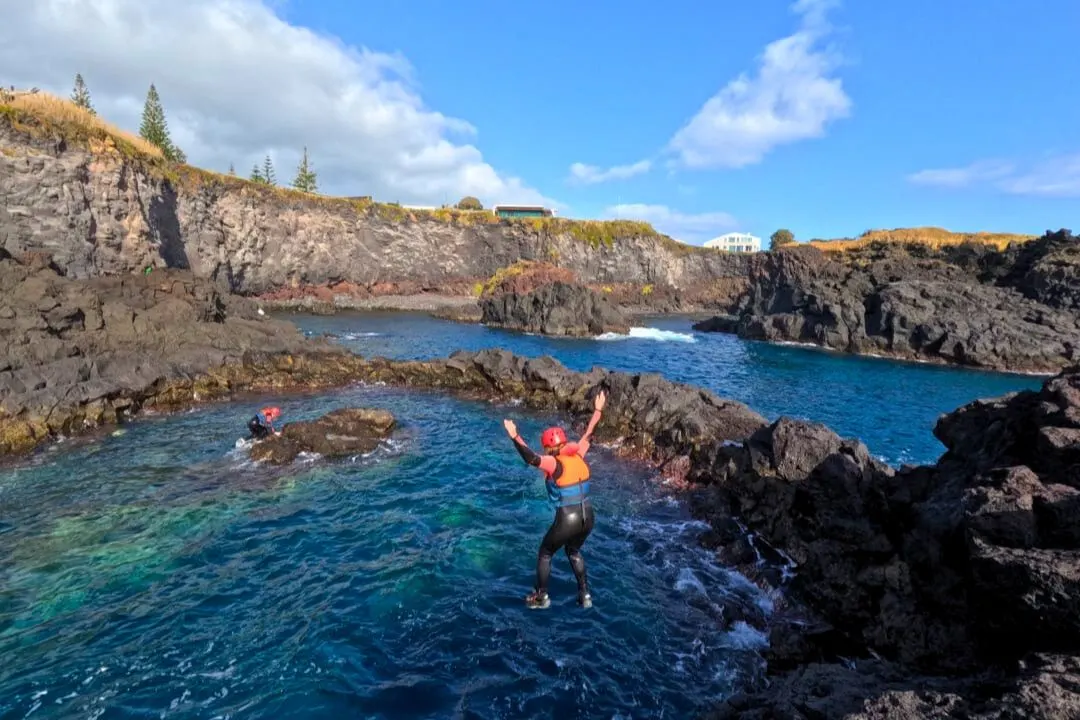
Many coastal bays have steep basaltic entry points, so verify individual site terrain before planning your azores snorkeling trip.
No facilities are provided at natural sites, so bring sufficient water and snacks for your azores snorkeling outing.
Opening Hours
00:00–23:59
Address
Azores Archipelago, Portugal
Accessibility
Varies by coastal site access
Optimal Arrival
09:00–14:00
Storage
Not available at natural sites
Navigation
Use local maritime charts
Car · Daily rental costs vary widely by season.
Rental vehicles are the most efficient way to access remote coastal snorkeling bays.
Public transport · Check local schedules via regional providers.
Limited bus services run to major towns, but rural snorkeling sites require private transit.
Snorkeling in natural coastal areas and bays is free of charge, so no formal cancellation policies apply to site access. If booking private excursions, confirm terms directly with your operator.
Recommended time
3-4 hours
For those engaging in azores snorkeling, a half-day excursion allows sufficient time to explore the diverse marine life and volcanic rock formations found in the bays. While you do not need to worry about entry queues since access is free, arriving during the recommended window ensures optimal visibility and sun positioning for underwater viewing. Booking one of the professional azores snorkeling tours can help streamline your experience, though independent swimmers often find that managing their own azores snorkeling tour schedule provides the best flexibility. If you lack your own gear, remember to secure necessary azores snorkeling tickets or equipment rentals in advance to avoid midday delays.
Crowd levels through the day
Weather · crowds · average price — dots go green to amber to red as each metric rises.
Water temperatures reach 23°C, ideal for extended time in the sea.
Crowds decrease significantly, though sea conditions can become more variable for azores snorkeling.
Water remains cooler, but wildlife activity is high after winter.
Snorkeling is rarely possible due to frequent storms and rough Atlantic swell.
Always monitor local tide charts to ensure safe entry and exit from rocky shorelines.
Avoid snorkeling alone; use a high-visibility float if swimming in areas with boat traffic.
Do not touch or feed marine life to maintain the delicate ecological balance of the archipelago.
Even in summer, consider wearing a short wetsuit to stay warm during prolonged observation.
The sun is intense; use reef-safe products to protect your skin and the marine environment.
Avenida Infante Dom Henrique, 9500 Ponta Delgada
Common hub for boat-based azores snorkeling tours.
Get directions
Stand on the inner crater rim to capture the turquoise water contrast against the volcanic rock before venturing into the azores snorkeling depths.
Position your camera at the edge of the stone jetty to frame the protected swimming area where marine life gathers, perfect for azores snorkeling tours.
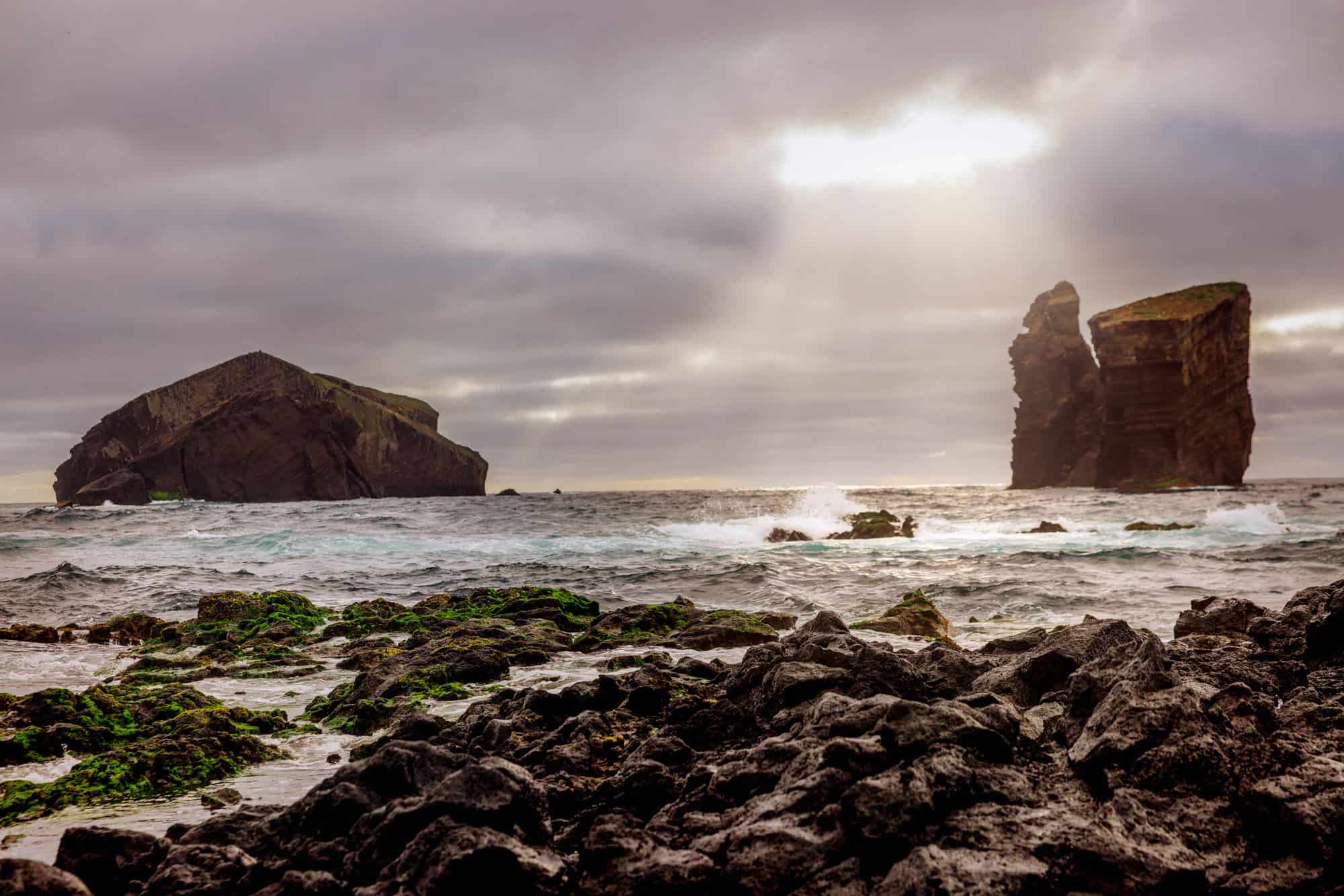
Focus on the jagged basalt columns rising from the sea at low tide to provide a dramatic backdrop for your azores snorkeling tour images.
Capture the calm, clear conditions from the shoreline path which provides easy access for those holding azores snorkeling tickets.
Exploring the vibrant marine life through azores snorkeling offers families a direct connection to the volcanic coastline. Preparing for these underwater excursions requires careful planning to ensure children remain comfortable and safe in the Atlantic waters.
Prioritize bays with dedicated lifeguard stations and calm, shallow entry points to ensure a secure experience for younger swimmers. Equipment
Real experiences from real travelers
The visibility around Princess Ring exceeded anything I've done in the Mediterranean. We saw parrotfish, groupers, and schools of small silver fish around the volcanic rocks. Water temp in July was cool but manageable with a 3mm wetsuit. Book the morning boat for calmest conditions.
Vila Franca do Campo's protected crater offers some of the best azores snorkeling accessible without a long boat ride. The basalt formations create natural channels filled with life. Our guide pointed out octopus hiding in crevices and explained the volcanic geology as we floated above.
Snorkeling tours here showcase geology you won't find elsewhere. The black rock contrasts beautifully with turquoise water and bright fish. We entered from Caloura and spent 90 minutes exploring tide pools and deeper sections. Saw rainbow wrasse, sea urchins, and crabs. Bring an underwater camera.
The calm bay made azores snorkeling comfortable even for my nervous partner. Our small group tour limited to eight people felt personal. The guide's knowledge of endemic species and volcanic features added depth to the experience. Water was 20°C in September, slightly warmer than summer.
Explored the marine reserve on a sunny May morning. Atlantic temperatures required a full wetsuit but the clarity was worth it. Dusky groupers were larger than expected, and the underwater topography of old lava flows creates interesting swim-throughs. Tour operator provided all gear in good condition.
We've snorkeled in the Canaries and mainland Portugal, but the Azores underwater environment feels wilder. The combination of volcanic substrate, endemic fish species, and protected marine zones makes every tour rich with sightings. Caloura's easy shore access suited our pace better than the boat-only sites.
Princess Ring islet justifies its protected status. During our azores snorkeling session inside the caldera we counted at least twelve fish species, multiple crab varieties, and vibrant algae ecosystems. The circular formation shelters the water, creating nursery conditions for juvenile fish. Tour sold out weeks ahead in peak season.
I've dived the Great Barrier Reef and expected less from temperate Atlantic waters, but the azores snorkeling exceeded that assumption. The nutrient-rich currents support dense marine populations, and the volcanic rock creates structural complexity that fish thrive in. A 5mm wetsuit kept me comfortable for two hours.
Our guide's background in marine science elevated the snorkeling tour beyond recreation. She identified endemic species found nowhere else, explained the Gulf Stream's influence on Azorean waters, and timed our visit to slack tide for optimal visibility. The basalt tunnels at Caloura were a personal highlight.
Booked last-minute and found professional operation with quality equipment and safety briefing. The protected marine areas around São Miguel offer reliable conditions even when offshore waters are rough. Saw parrotfish, ornate wrasse, and a curious dusky grouper that followed our group. Water entry from volcanic platforms requires sturdy water shoes.
Everything you need to know for your journey
Snorkeling in natural coastal areas and bays is free of charge (0 EUR).
The sites are accessible 00:00–23:59, allowing flexibility for your visit.
No, natural areas do not require azores snorkeling tickets for public access.
Optimal visibility and sun positioning for underwater viewing is 09:00–14:00.
Yes, children can participate in azores snorkeling provided they are supervised and comfortable in the water.
Prohibited items include spearguns, harpoons, and chemical sunscreens to protect the marine habitat.
Bring a mask, snorkel, fins, water shoes, and reef-safe sunscreen for your azores snorkeling session.
Yes, underwater photography is encouraged to capture the marine biodiversity of the Azores.
Access is best achieved by car, as many snorkeling sites in the Azores are located away from public transport lines.
Yes, many visitors combine their underwater activities with hikes to landmarks like the Caldeira Sete Cidades.
Large volcanic crater lake with hiking trails surrounding the area.
A protected landscape offering panoramic views over the Atlantic ocean.
Botanical grounds featuring thermal pools and diverse exotic plant species.
A historic military fortification located near the Ponta Delgada waterfront.
Range of premium resorts and historic boutique hotels.
Charming guesthouses located within a UNESCO heritage city.
Harbor-front lodging popular with travelers and maritime enthusiasts.
Join thousands of happy travelers who have discovered this incredible experience
Book Your Experience Now