1 hr
Vila Franca Islet Snorkeling Adventure
- Entry ticket
- Mobile voucher
- Valid same day
- Free cancellation
Azores Snorkeling Tour — Volcanic Crater & Marine Reserve Access
Crystal water within ancient calderas, Atlantic species at arm's length
Compare fares, pick the fit — all bookings are mobile-voucher and eligible for free cancellation where shown.
1 hr
1 hr
3 hr
| Experience | Duration | Rating | Guide | Small group | Free cancel. | Price | |
|---|---|---|---|---|---|---|---|
|
Standard Entry
Most popular
Vila Franca Islet Snorkeling Adventure
|
1 hr | ★ 4.8 | ✓ | ✓ | ✓ | €31 | Book → |
|
Standard Entry
Vila Franca Islet Snorkeling & Coastal Boat Tour
|
1 hr | ★ 4.6 | ✓ | — | ✓ | €20 | Book → |
|
Standard Entry
Vila Franca Islet Crater Snorkeling Experience
|
3 hr | ★ 4.7 | ✓ | — | ✓ | €59 | Book → |
Worth it for guided access and gear
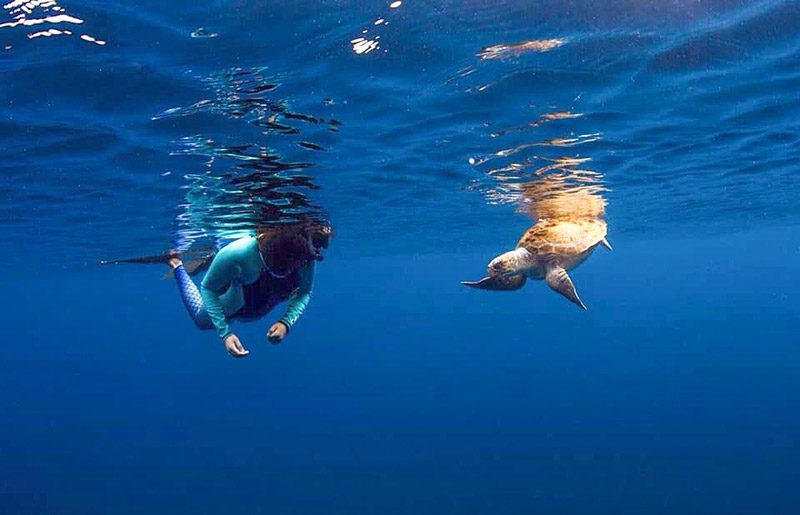
An azores snorkeling tour at Vila Franca do Campo delivers clear value over independent entry. The 10 EUR islet access fee covers entry only—no equipment, no guidance, and no transport from shore. Guided excursions bundle boat transfers, wetsuit and mask rental, and marine biologist commentary for typically 45–65 EUR, depending on duration and route. The Vila Franca Islet Snorkeling Adventure and Crater Snorkeling Experience focus entirely on the volcanic caldera's crystal-clear waters and abundant marine life, while hybrid options like the Coastal Boat Tour or Princess Ring Islet Kayak Adventure add exploration beyond the swimming zone. For first-time snorkelers or visitors without their own gear, the convenience and educational component justify the premium. Experienced divers with equipment who prefer unguided exploration can opt for independent entry, though boat transfer logistics and the 400-person daily cap still apply. Azores snorkeling tours eliminate the hassle of gear sourcing and provide expert-led encounters with parrotfish, damselfish, and occasional sea turtles.
Bottom line: Book a guided azores snorkeling tour unless you're carrying your own equipment and comfortable navigating the transfer independently.
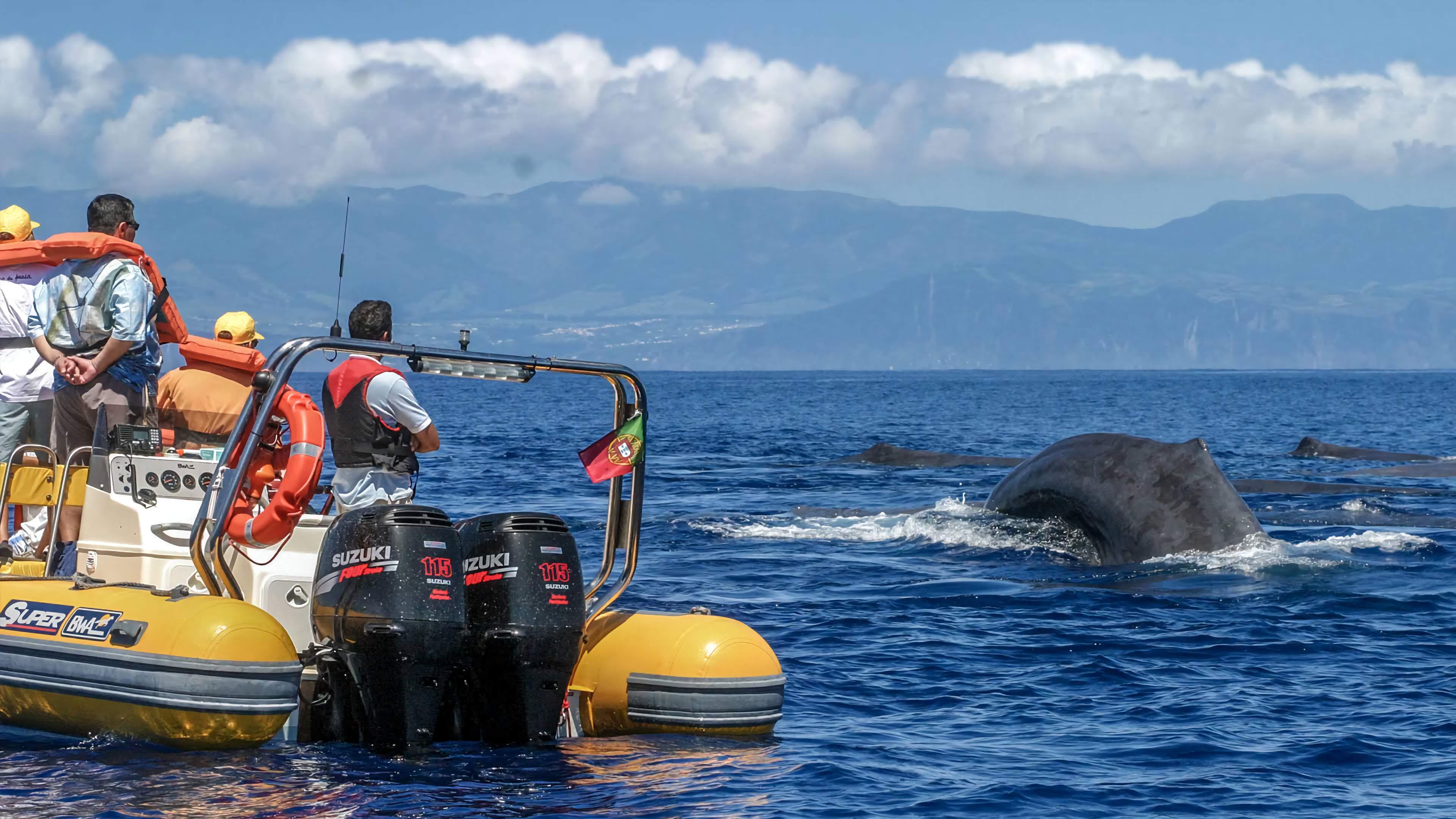
They complement each other; most visitors who do both call whale watching the more thrilling, while a dedicated azores snorkeling tour offers intimate time in the Princess Ring lagoon.
|
Top pick Azores Snorkeling Tour |
Whale Watching | |
|---|---|---|
| Primary focus | Underwater marine life | Cetacean observation |
| Intensity | Low (leisurely) | Medium (sea travel) |
| Typical duration | 1–3 hours | 3 hours |
| Activity level | Swimming and floating | Boat-based observation |
| Seasonal availability | June–October (summer) | Year-round (varies) |
| Entrance fee | 10 EUR (summer) | Varies by operator |
| Min. age | 8+ years | No specific limit |
| See tickets & prices |
Verdict: If you prioritize direct contact with aquatic species in a sheltered volcanic crater, choose an azores snorkeling tour tickets package, but opt for whale watching if you seek oceanic giants and wider marine exploration.
Hand-picked experiences loved by thousands of travelers
3 hours
Free Cancellation
Encounter cetaceans in their natural habitat on a guided ocean expedition with expert commentary and volcanic islet exploration
3 hours
Free Cancellation
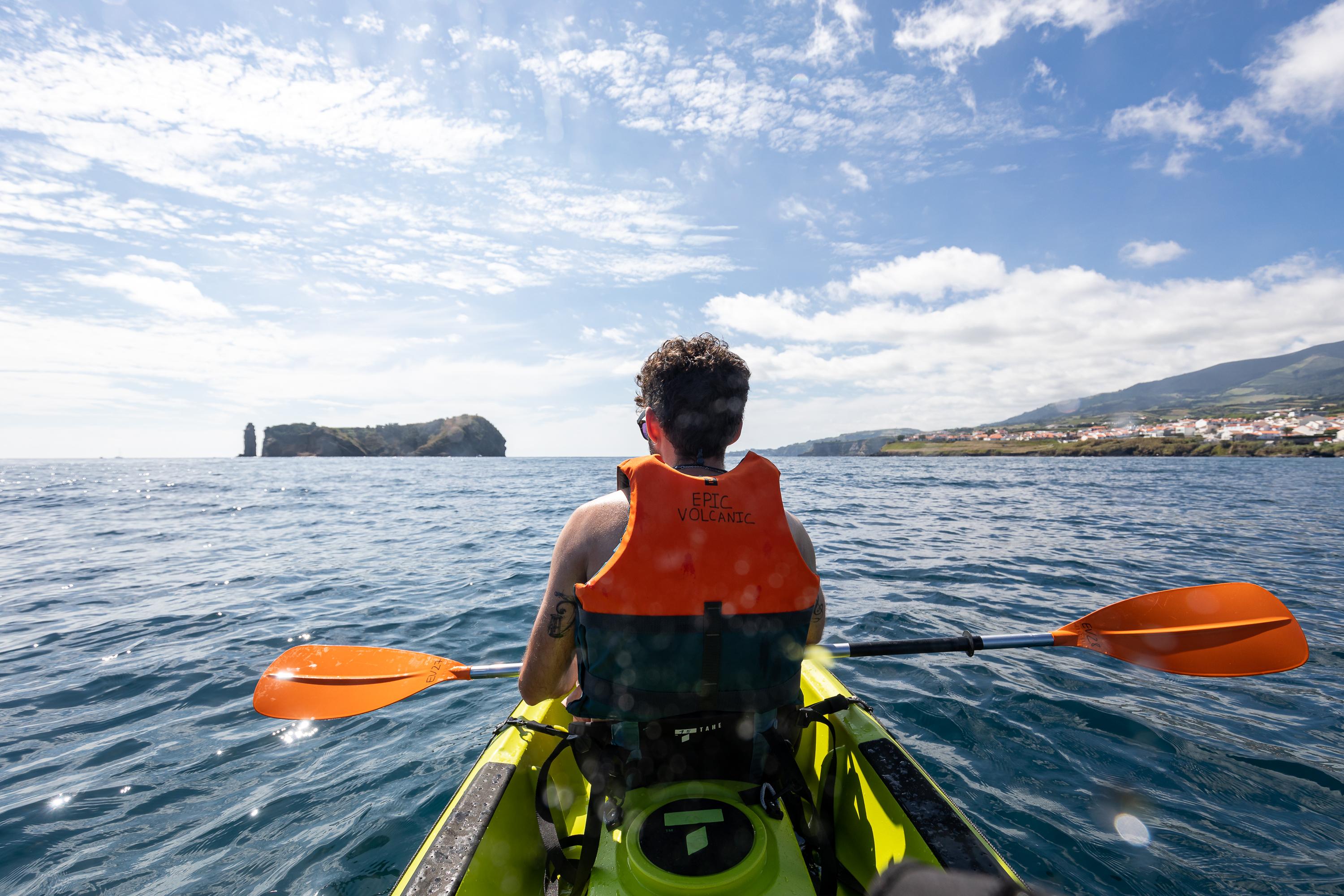
Paddle to a volcanic crater islet, explore marine caves, snorkel crystal waters, and discover Azorean ecology
8 hours
Free Cancellation
Full-day marine expedition pairing cetacean encounters with swimming in a volcanic crater lagoon
4 hours
Free Cancellation
Trek through ancient woodland to a hidden waterfall, then snorkel volcanic reefs teeming with marine life.
2 hours
Free Cancellation
Explore Atlantic waters over lava formations, spotting octopus, rays, and groupers with an expert guide
3 hours
Free Cancellation
Explore underwater treasures around a protected natural reserve with expert guides and full equipment
2 hours 30 minutes
Free Cancellation
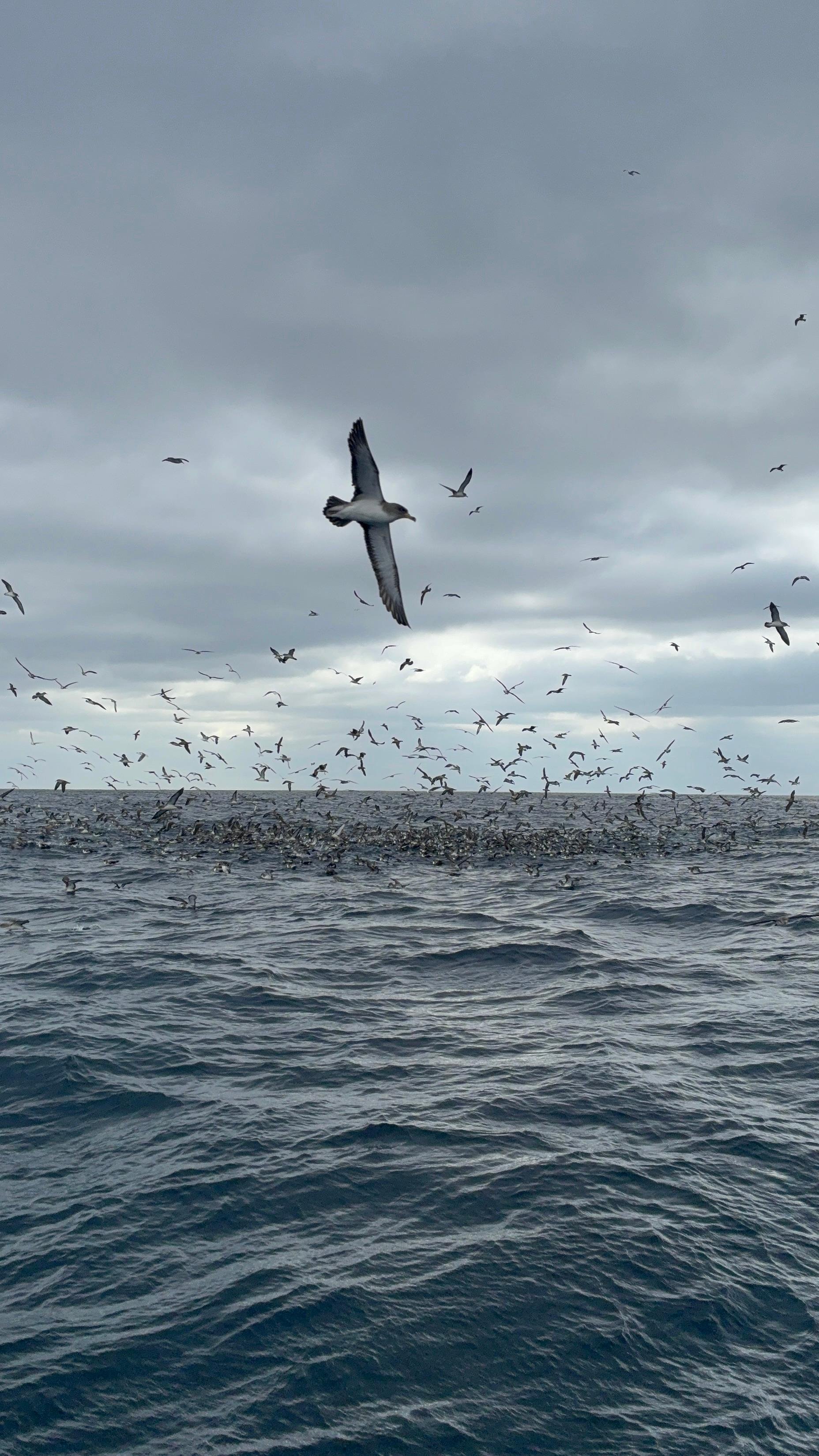
Cruise the Azorean coast watching seabirds and marine life, then snorkel the crystal waters around a volcanic islet.
2 hours 30 minutes
Free Cancellation
Swim with marine life along São Miguel's volcanic coast on an intimate 2.5-hour boat adventure
Meet your Azores snorkeling tour operator at Vila Franca do Campo marina and collect wetsuit and mask
Short crossing across the crater bay to the Ilhéu de Vila Franca do Campo
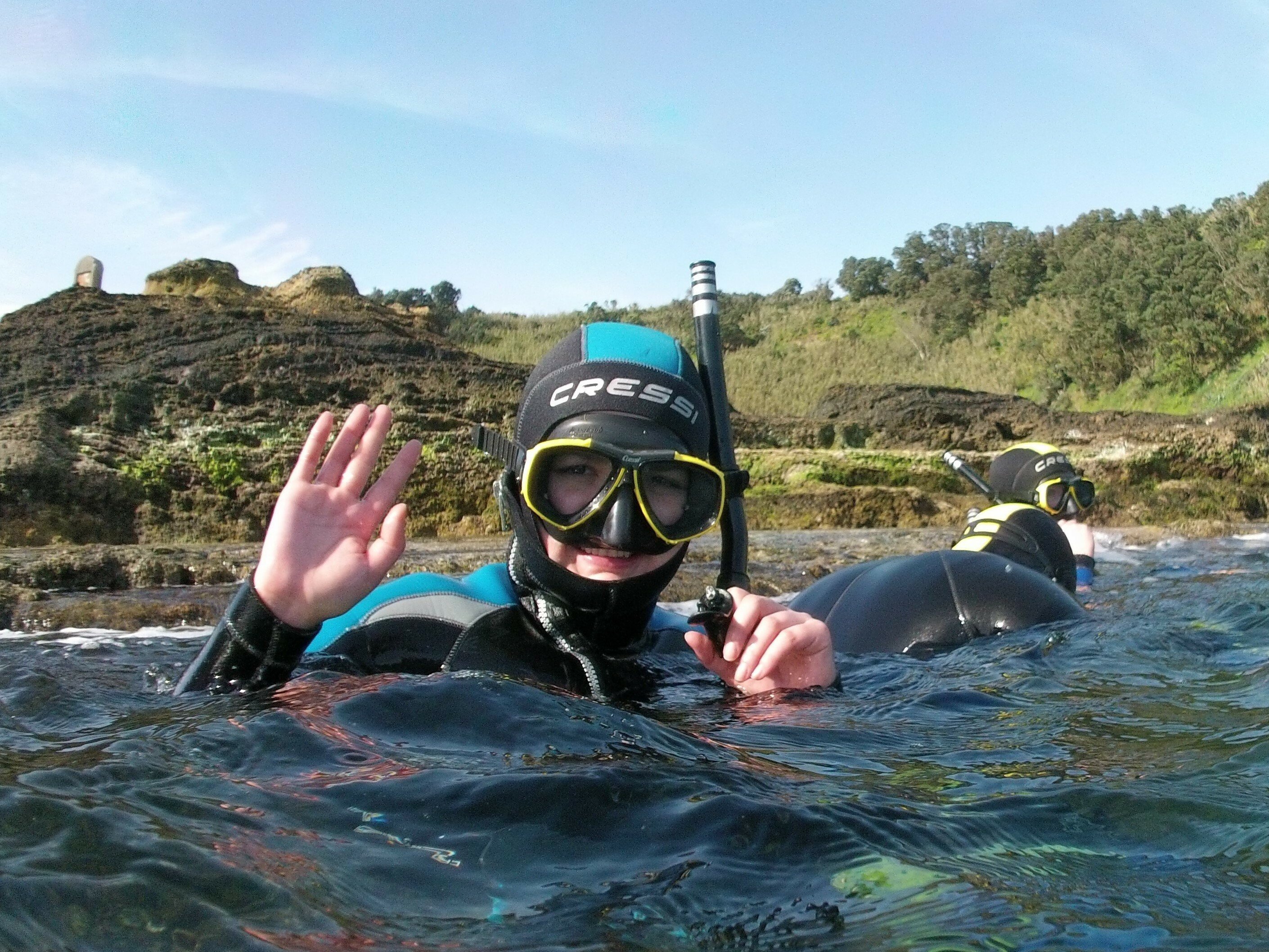
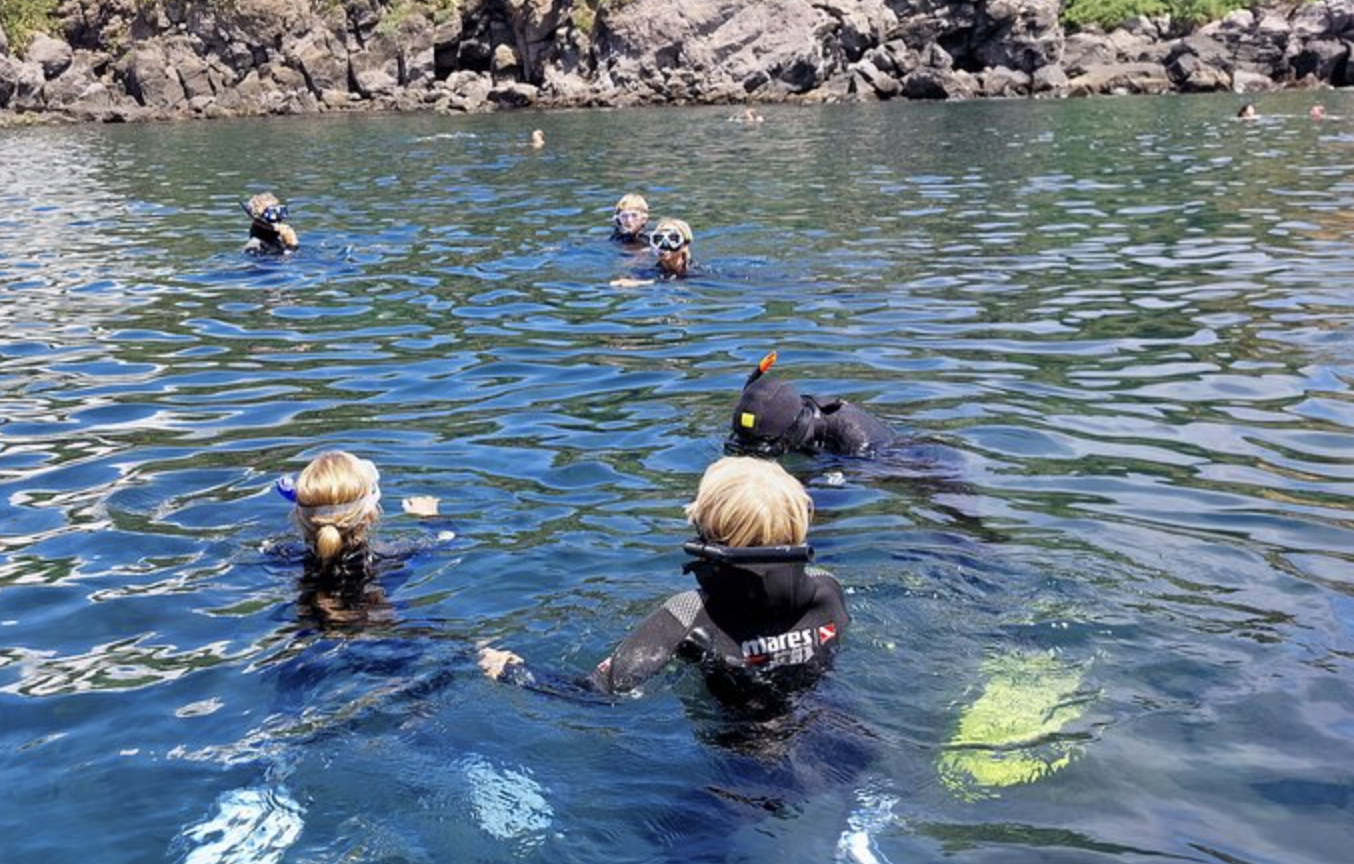
Snorkel along the crater walls and sheltered lagoon with a guide pointing out fish species
Boat returns to the marina; gear is rinsed and returned
On calm days, some tours allow a short walk on the islet's inner beach
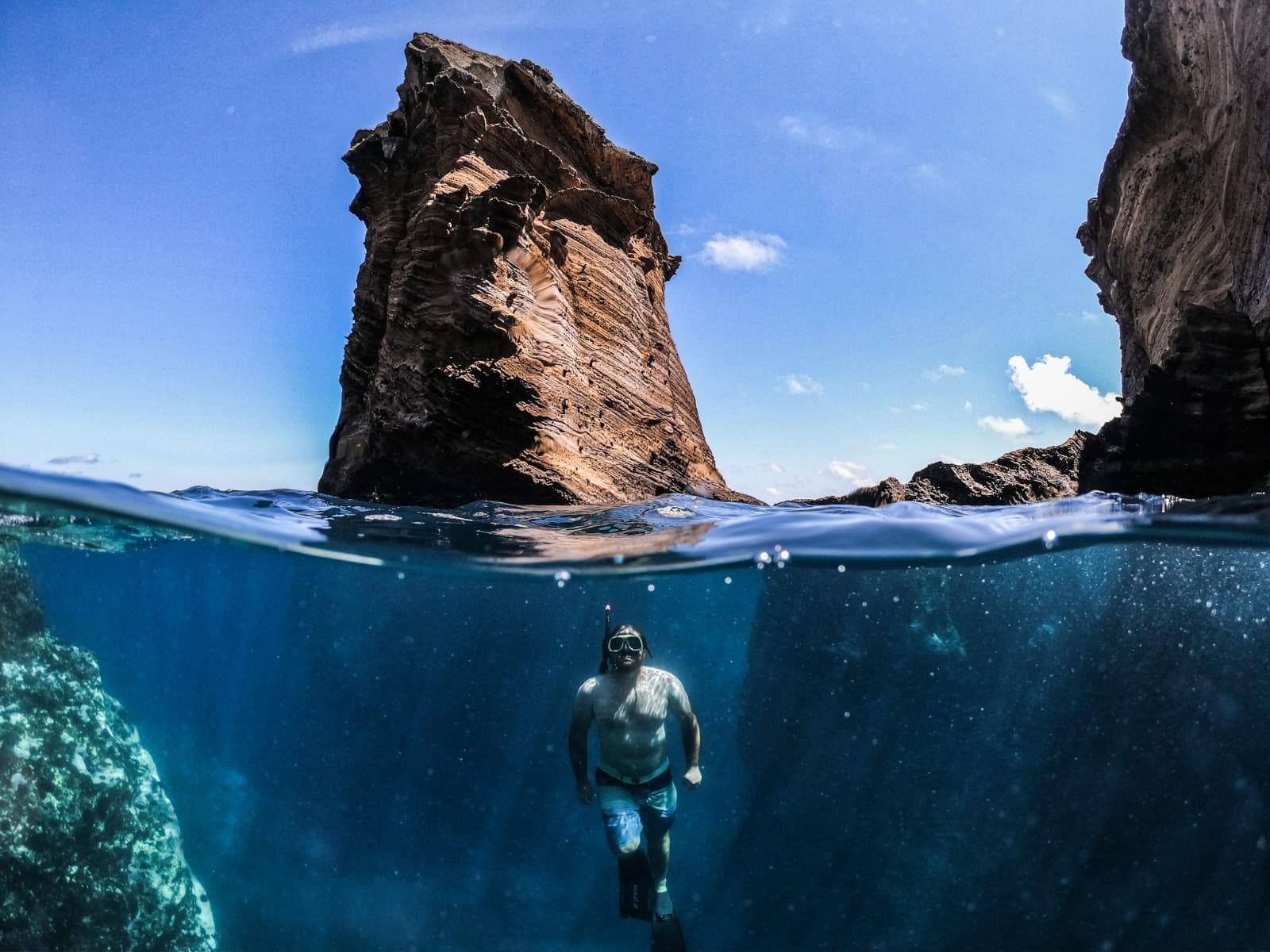
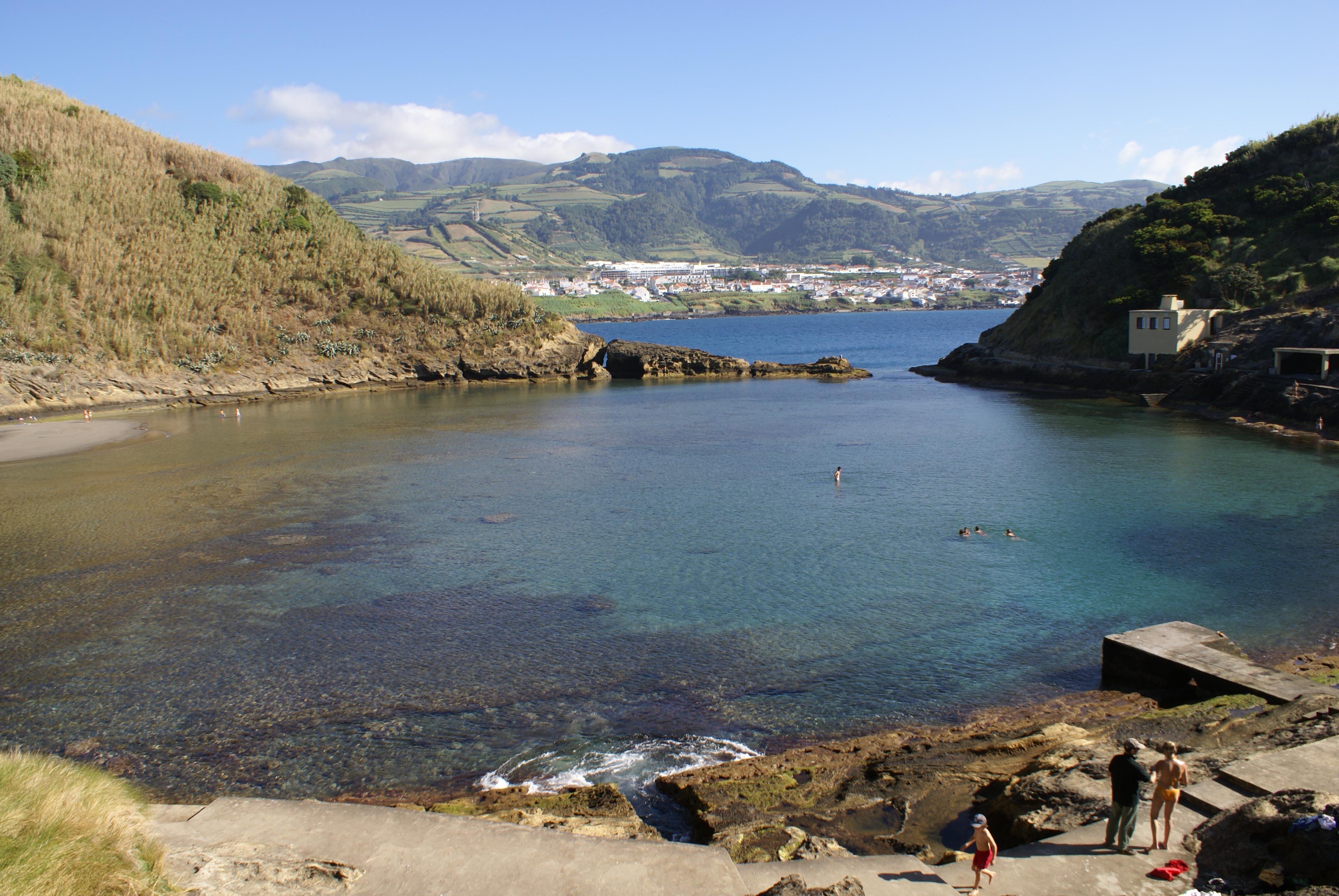
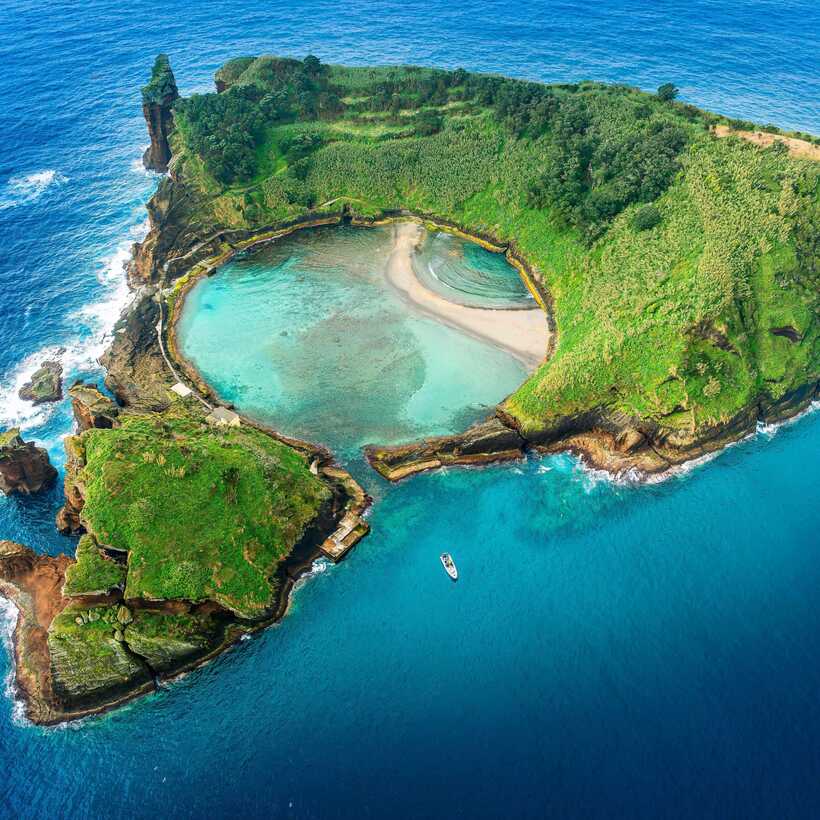
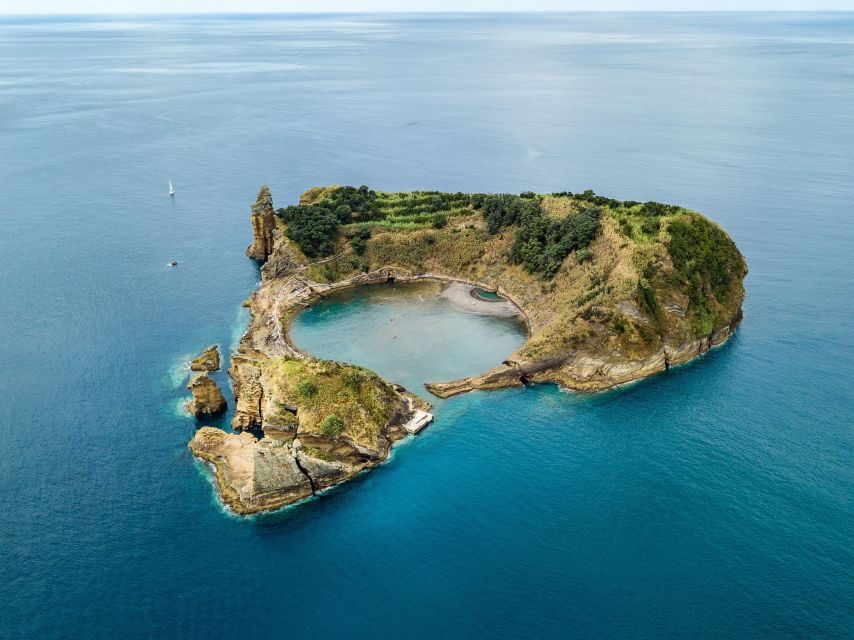
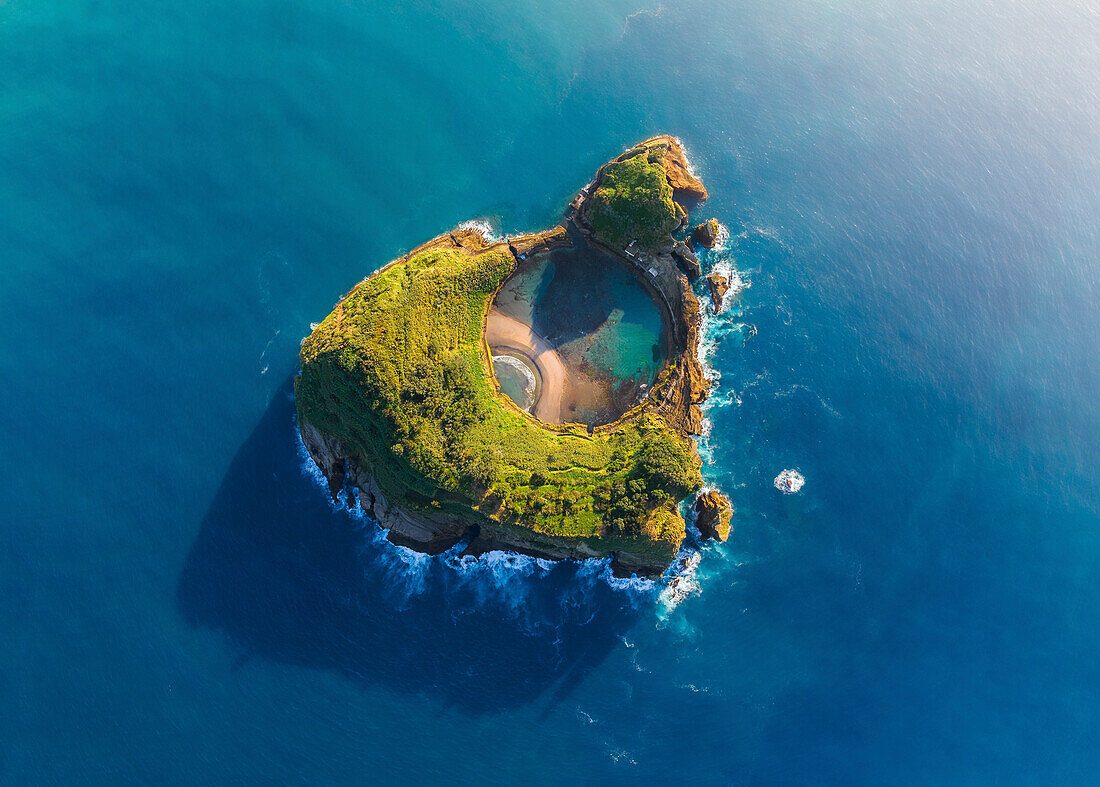
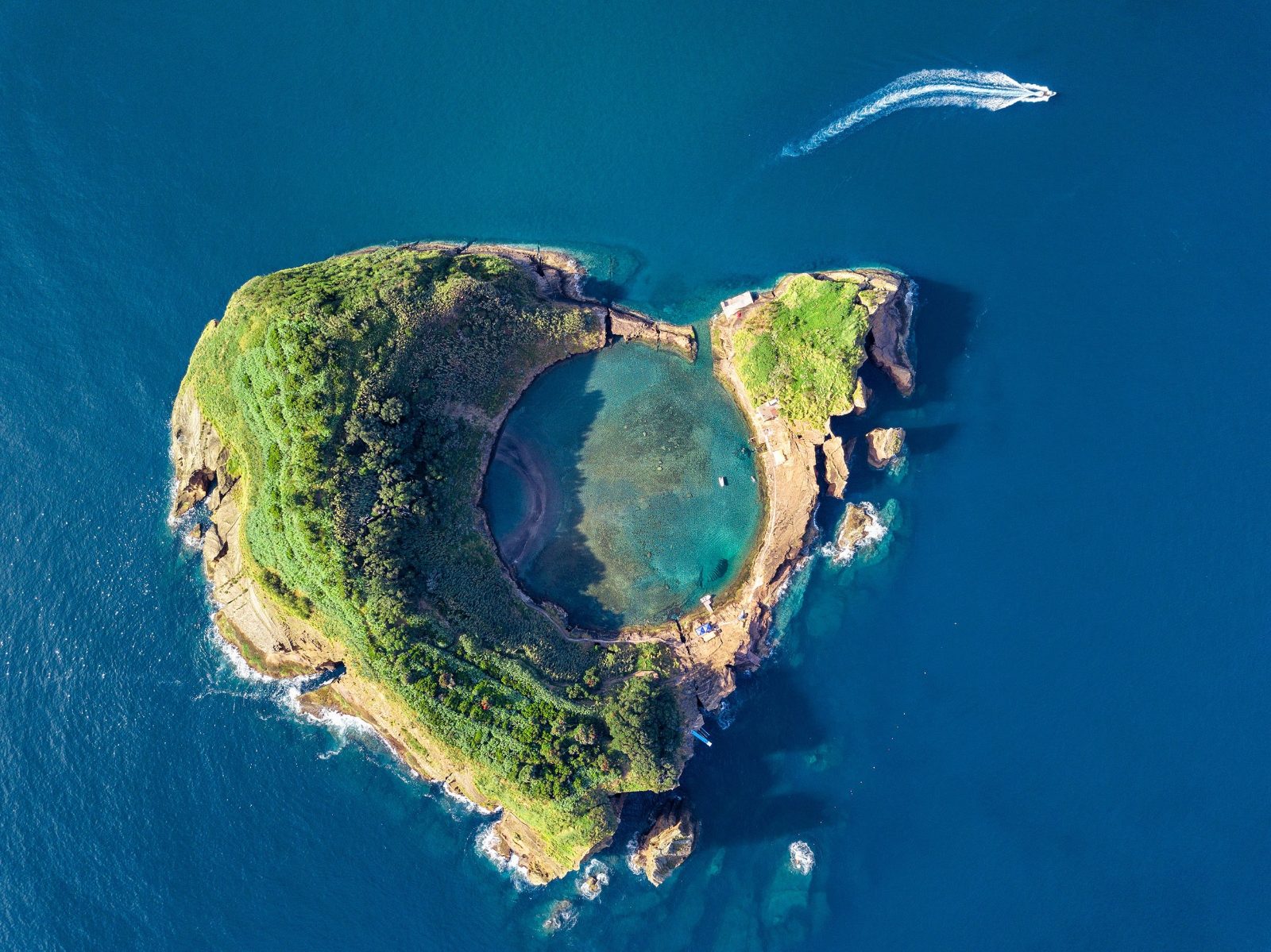
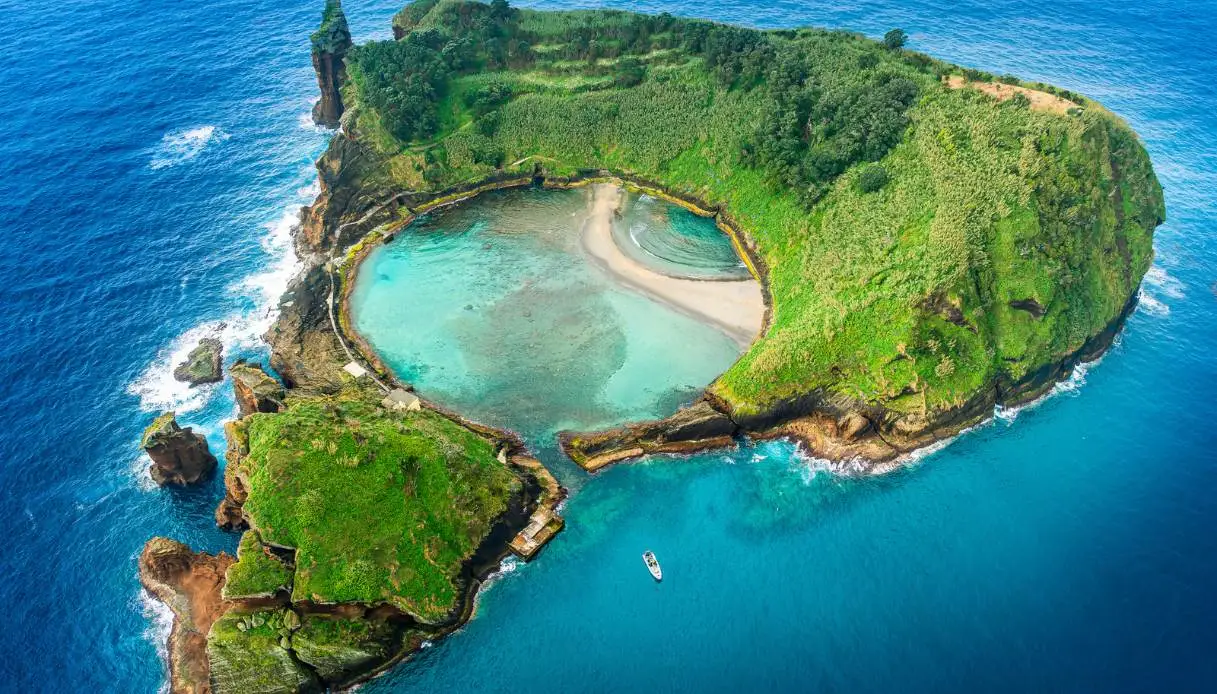
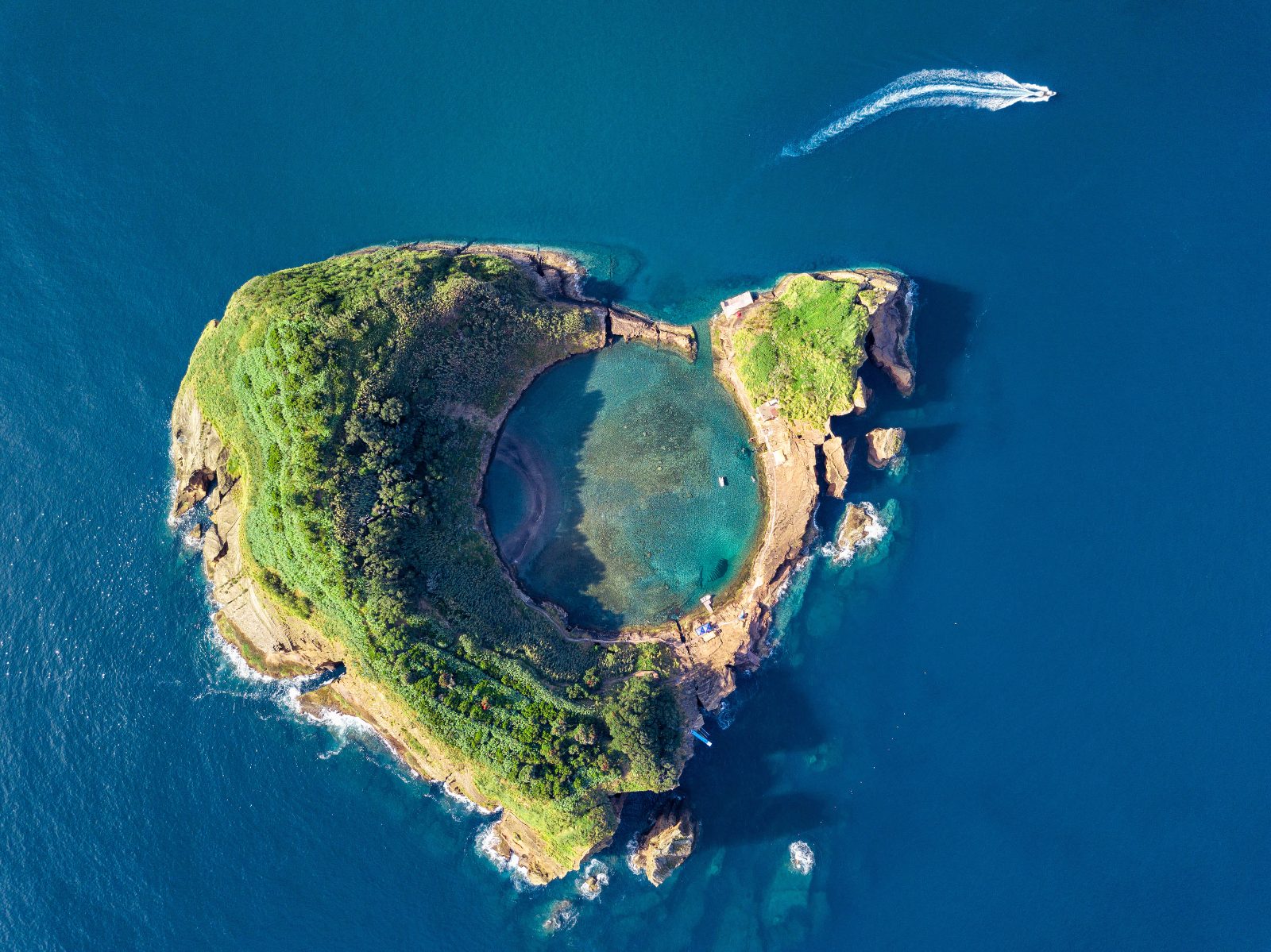
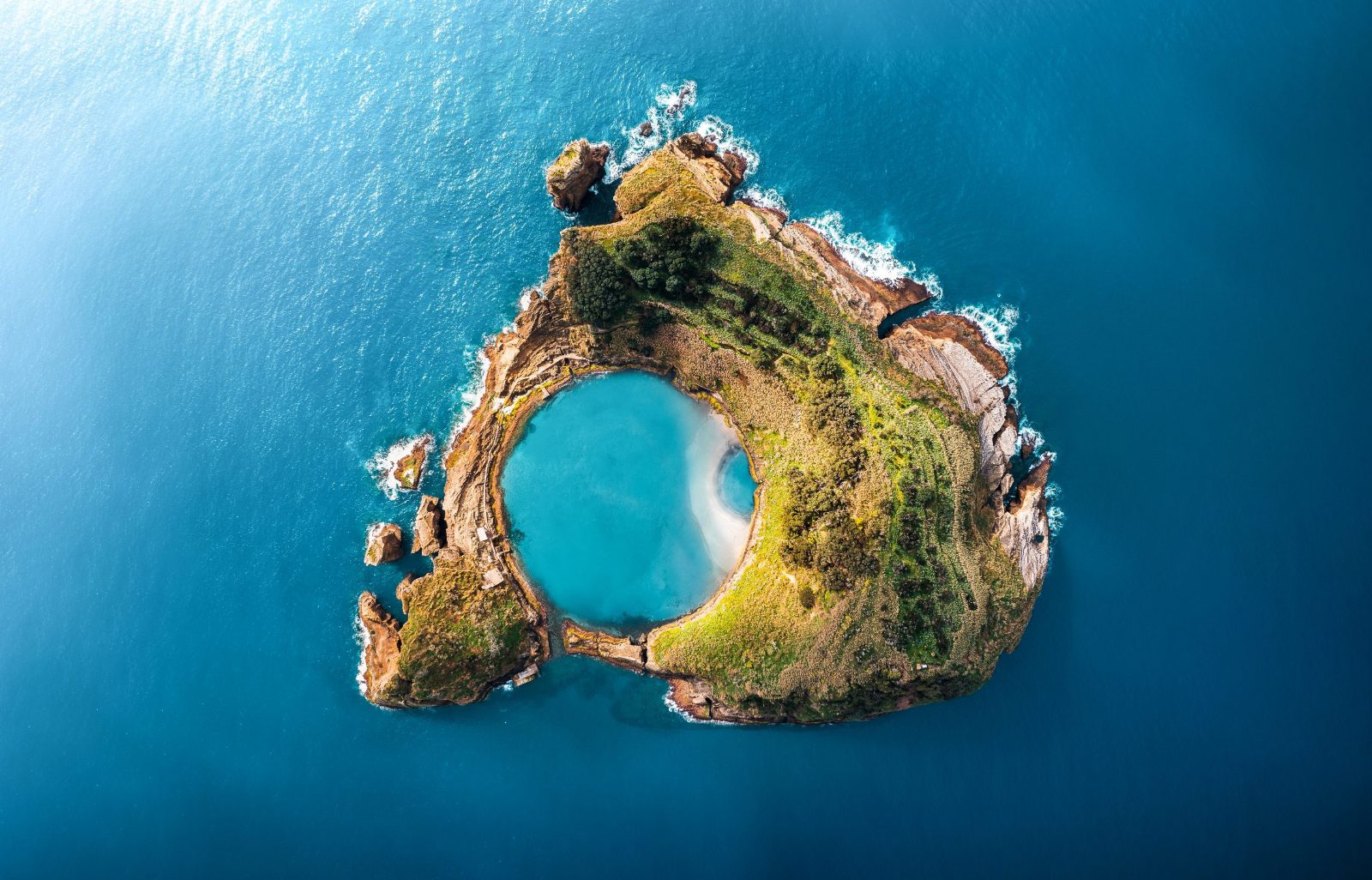
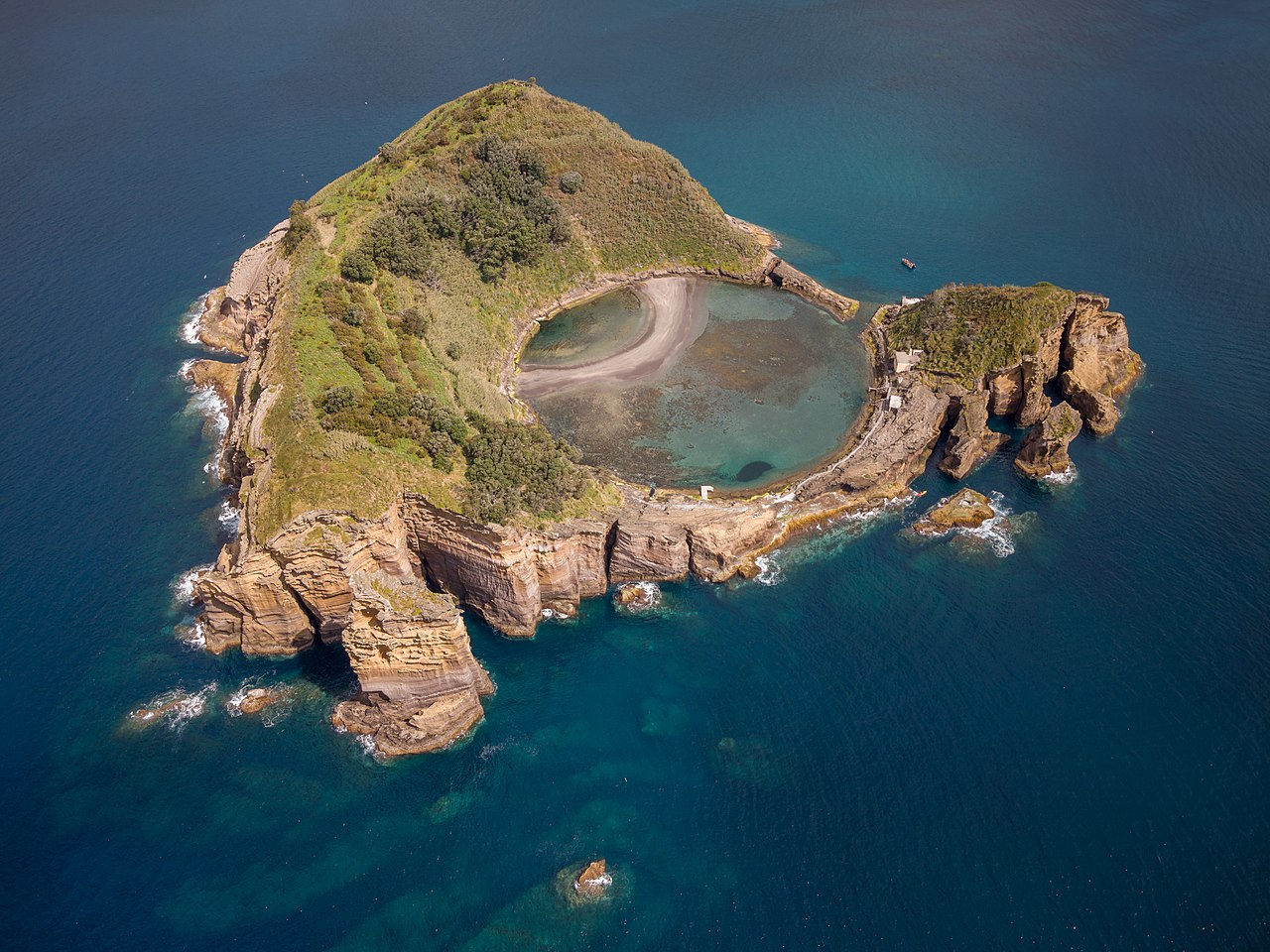
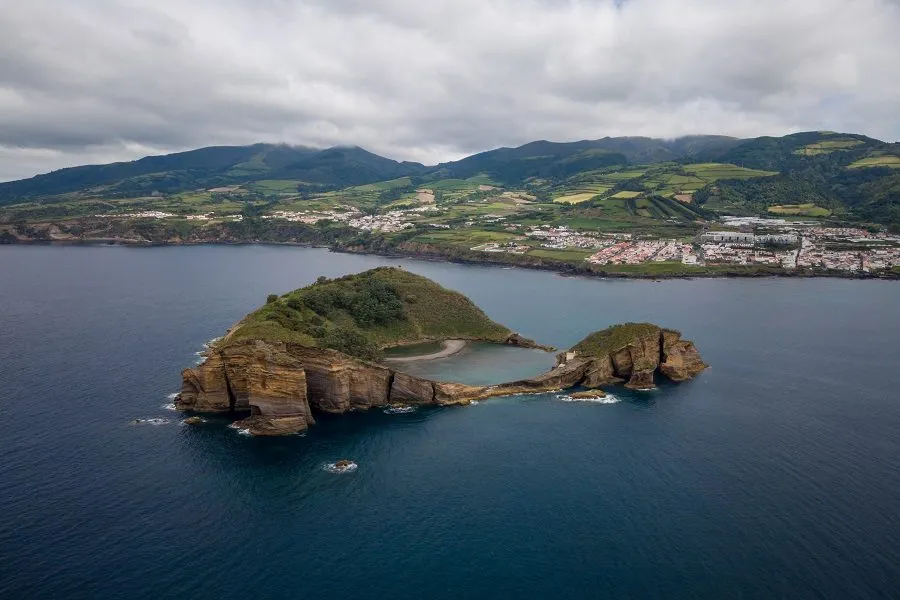
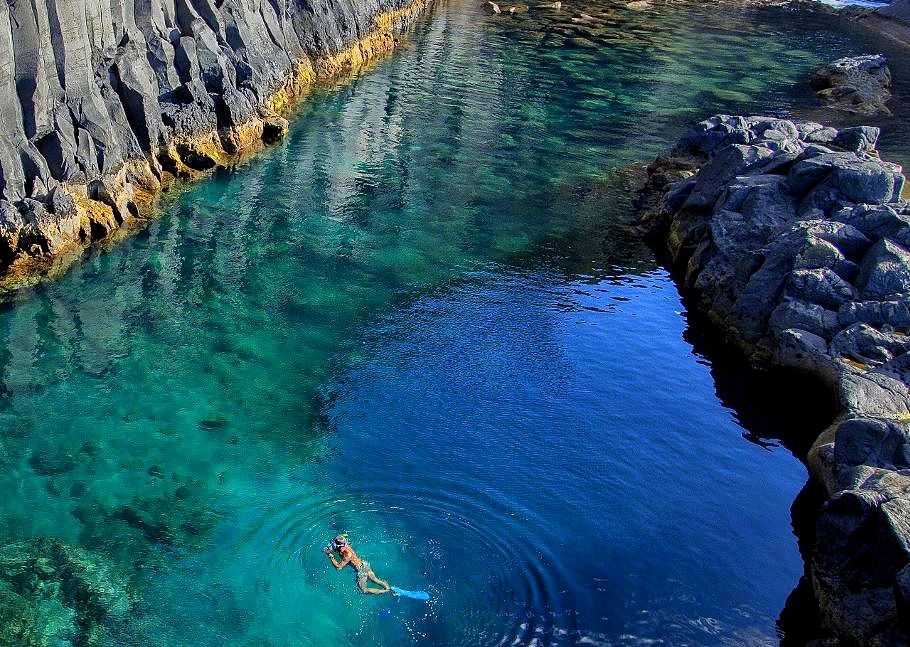
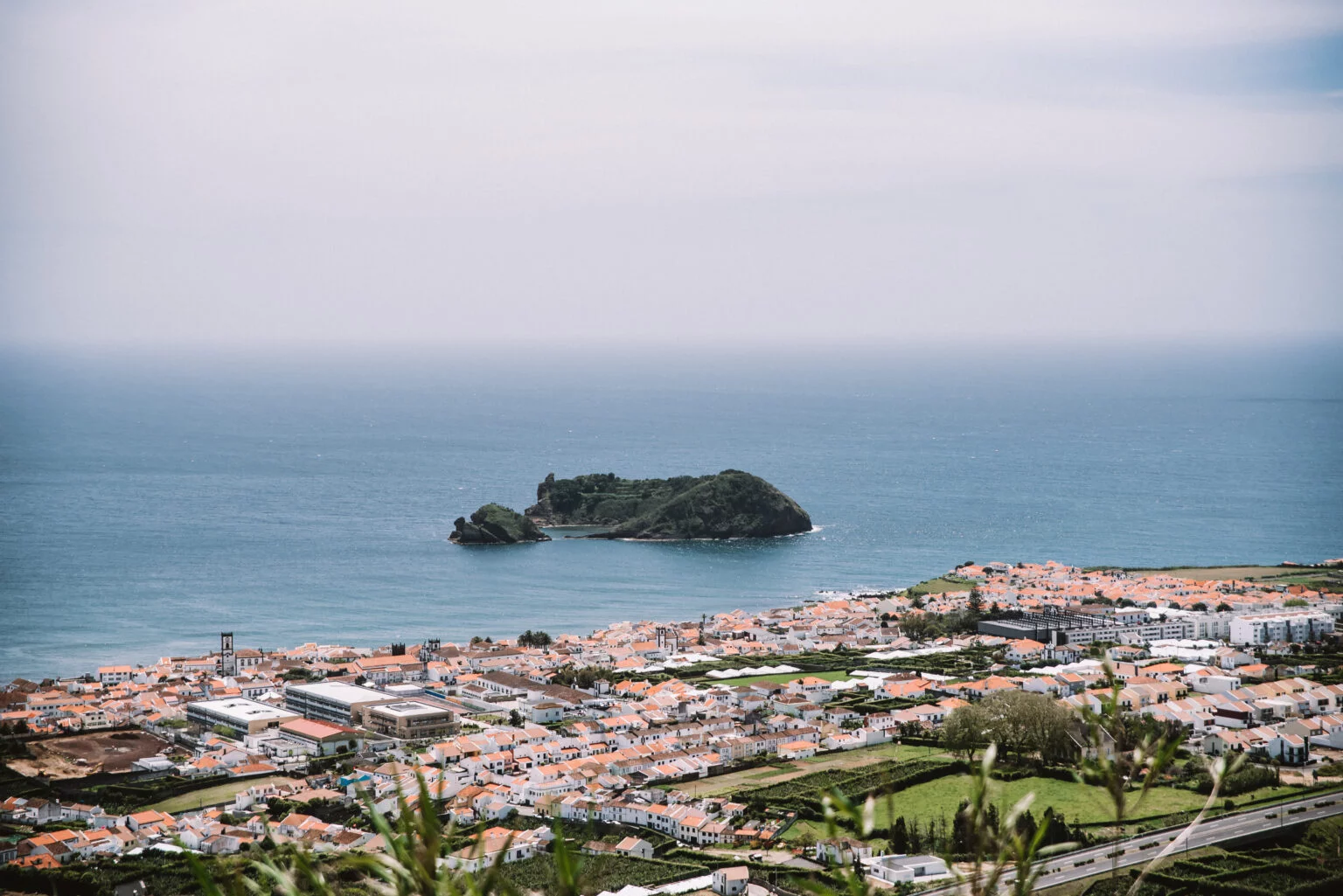
A submerged volcanic crater rim forming a near-perfect ring islet just off the coast, its sheltered lagoon is the central snorkeling site for nearly every Azores snorkeling tour departure. The formation is a protected nature reserve capped at 400 daily visitors during bathing season.
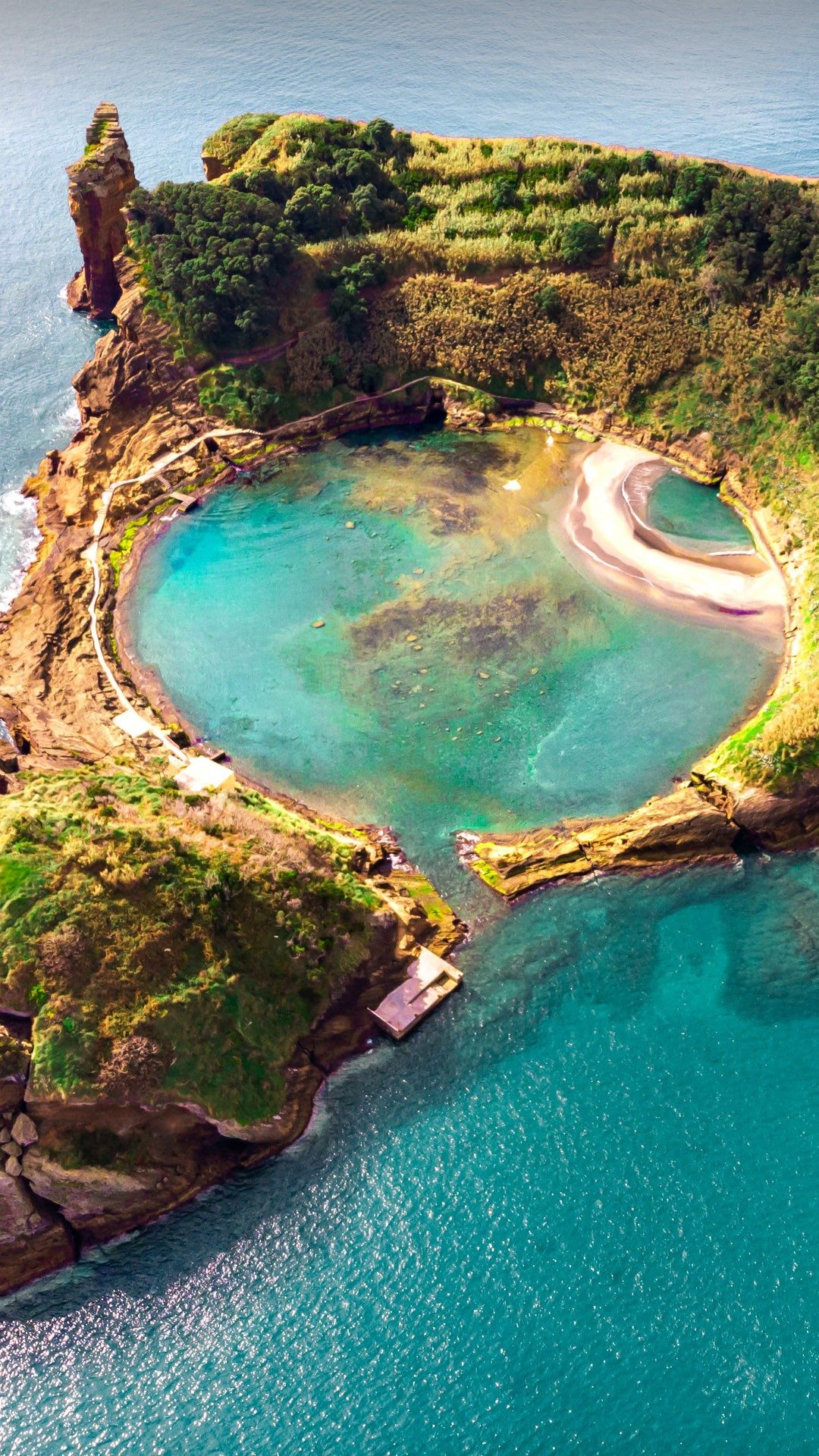
The islet's inner lagoon offers calm, current-sheltered water rarely found elsewhere on São Miguel's rugged coastline, making it the primary snorkel zone for spotting damselfish and wrasse among volcanic rock. Water depth in the lagoon rarely exceeds a few meters near the rock shelves.
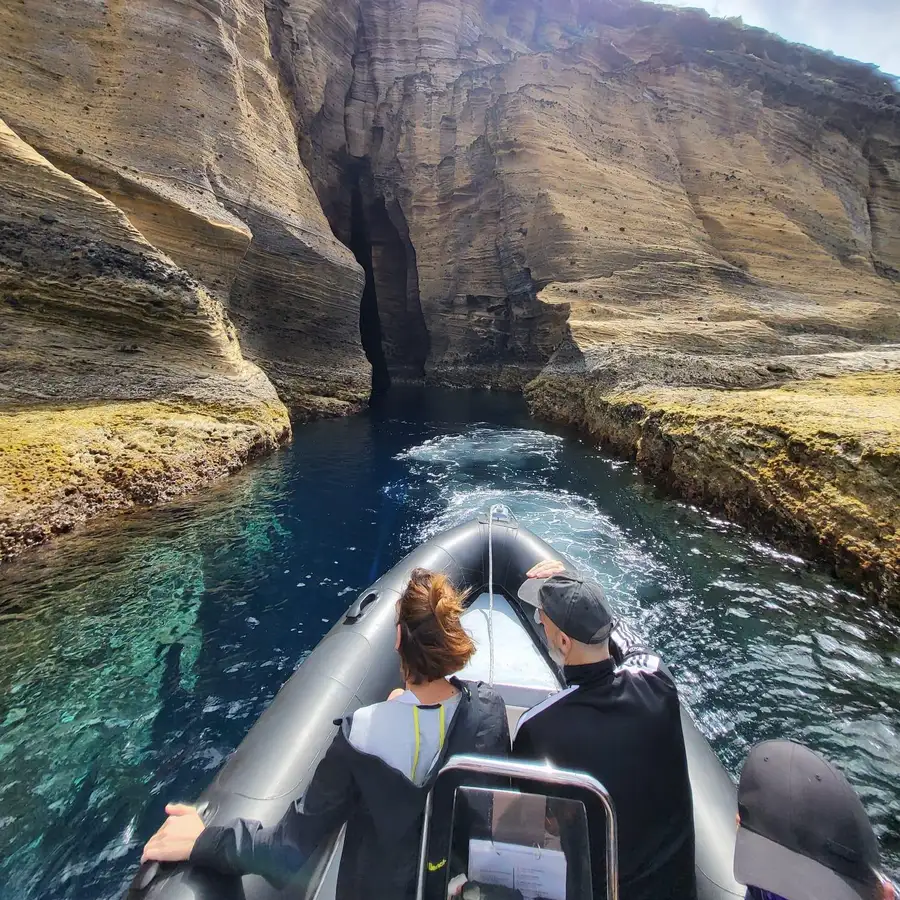
Steep basalt walls rise directly from the water around the islet's perimeter, sculpted by wave action into ledges and small caves that shelter juvenile fish. Snorkelers commonly follow these walls on guided routes lasting 45 to 60 minutes.
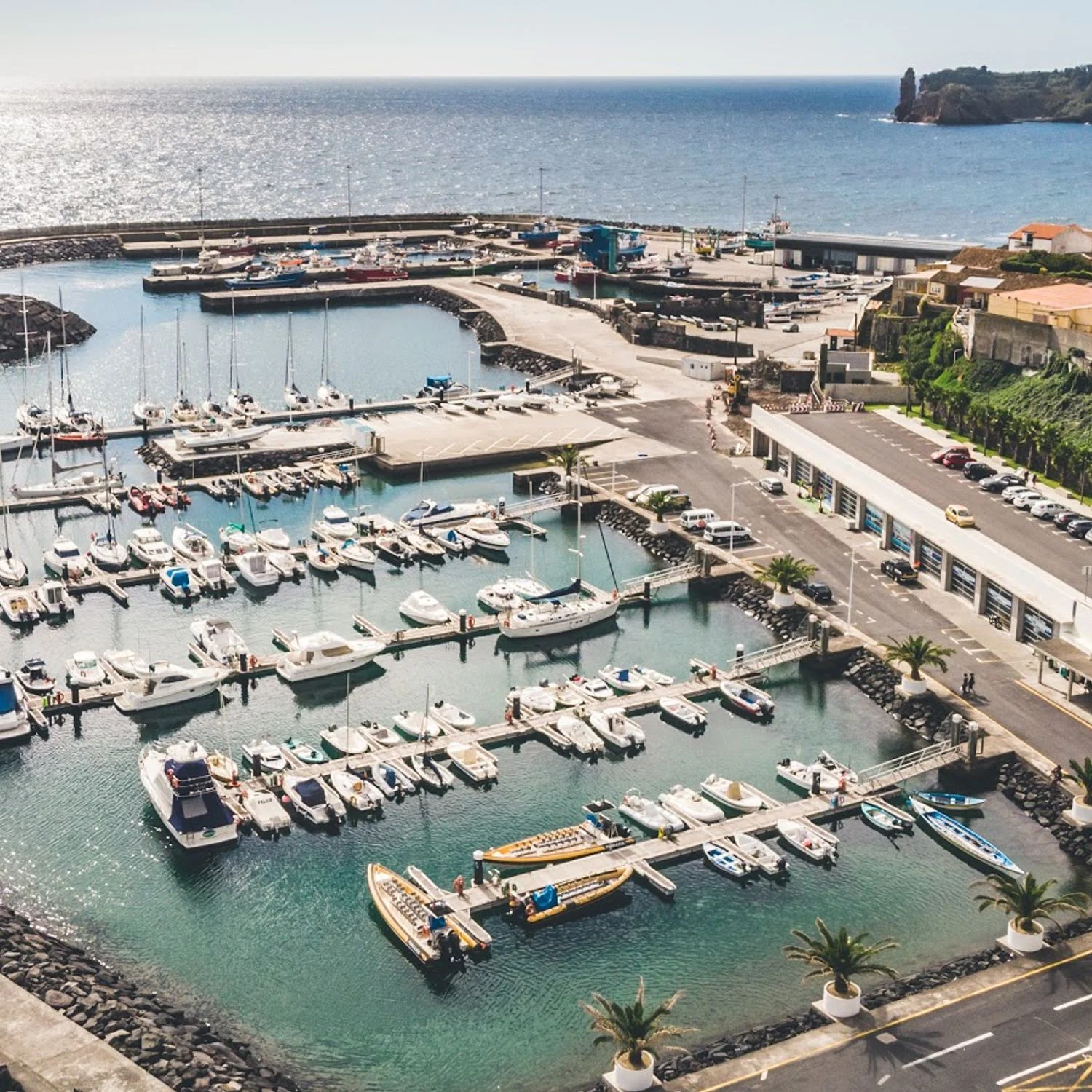
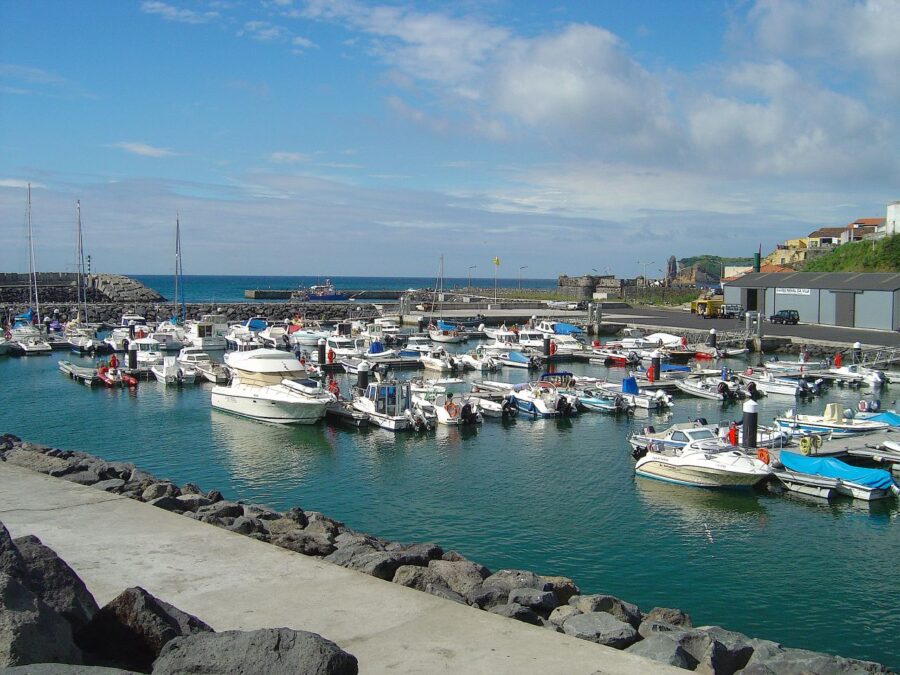
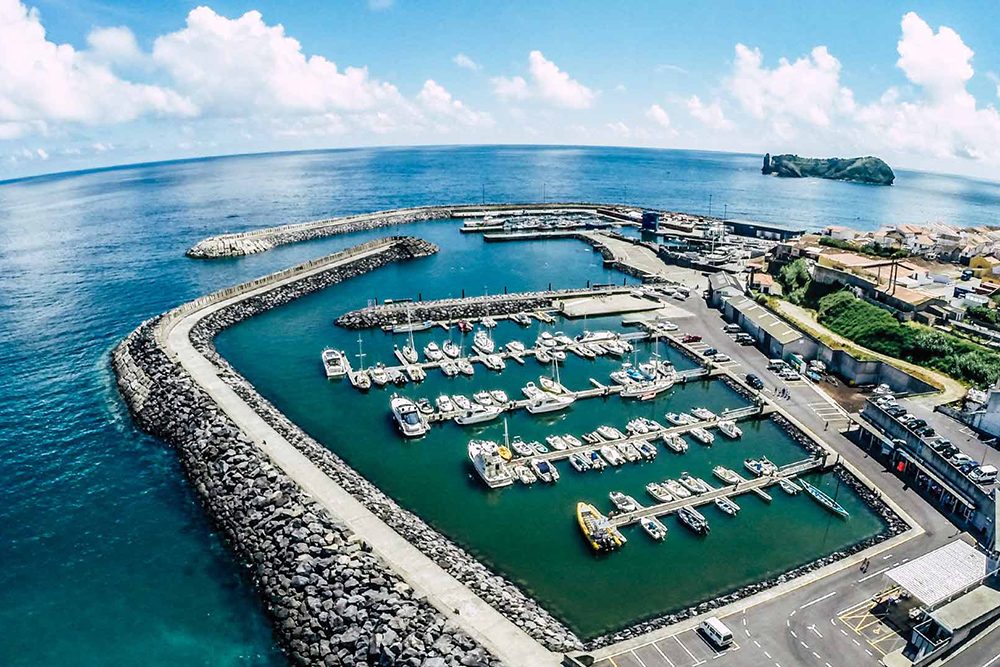
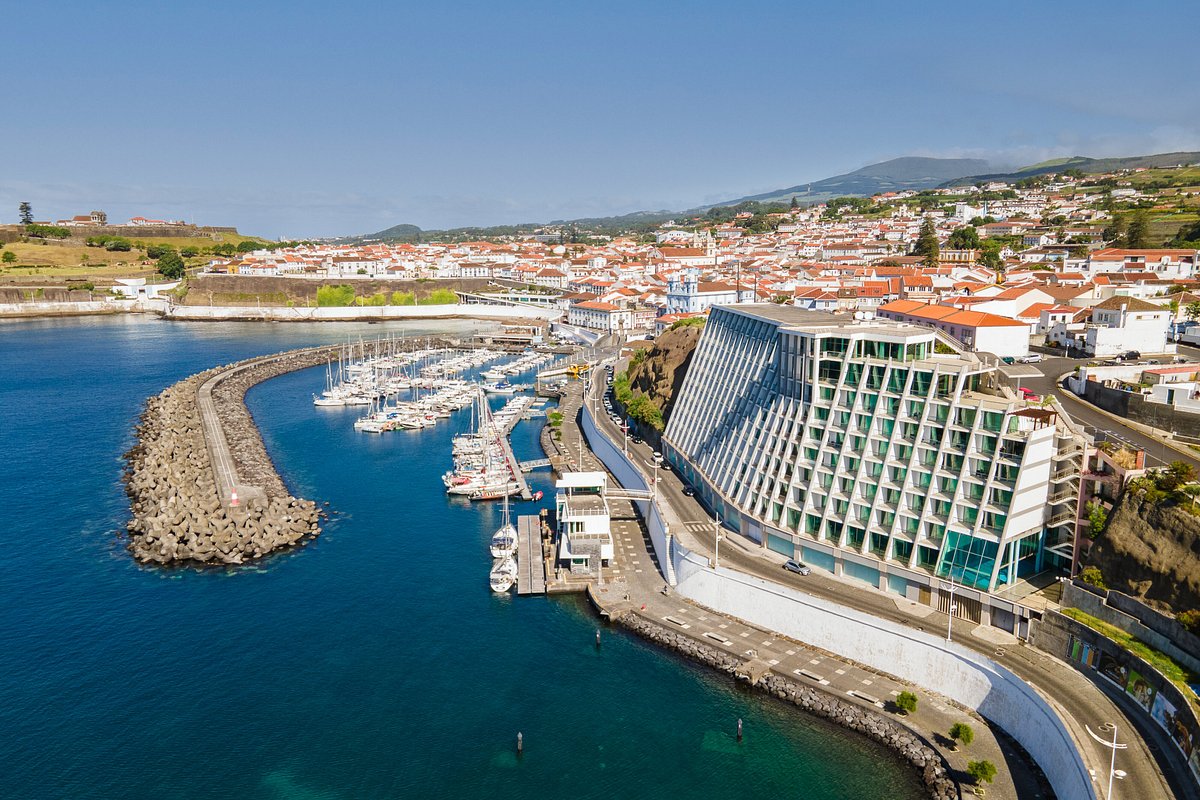
The compact marina dock at Vila Franca do Campo is the operational hub where nearly all snorkeling and diving boats load passengers before the short crossing to the islet. Its café-lined waterfront makes it a natural pre- and post-tour gathering point.
On calm days some operators permit a brief landing on the islet's small interior beach, a rare stretch of sand inside the ancient crater rim. Access is weather-dependent and limited to preserve the reserve's bird nesting areas.
You board at Vila Franca do Campo marina by 10:30, the RIB cutting across calm morning water toward the circular silhouette 500 meters offshore. The boat noses through the narrow breach in the crater wall, and you step onto volcanic rock still cool from the night.
Gear fitted, you wade into water that holds steady at 19°C through September, dropping below the surface where visibility extends 15 meters in every direction.
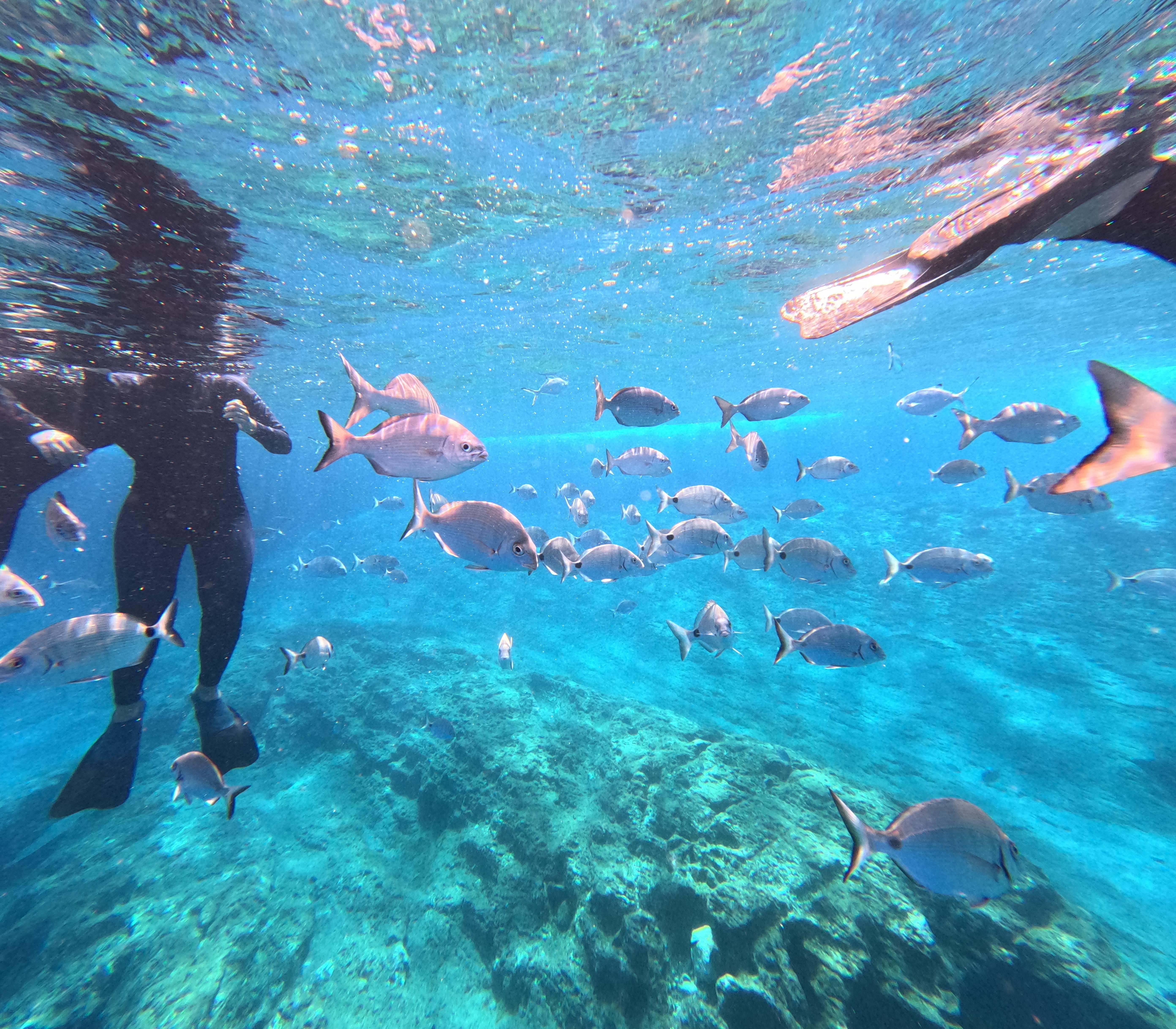
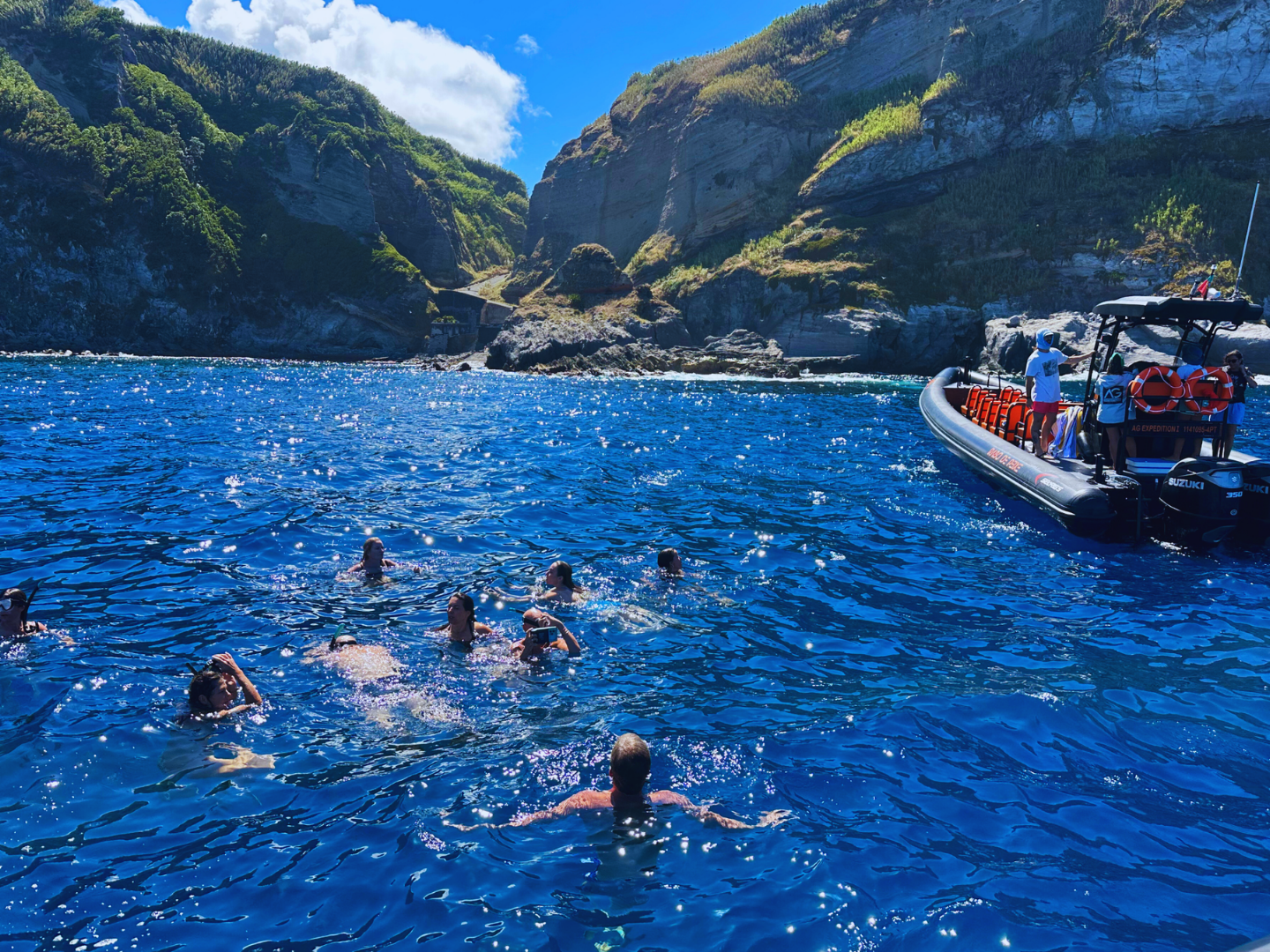
You fin along the eastern curve of the lagoon, following the submerged crater wall as it descends. Schools of salema porgy pass at eye level, their silver flanks catching filtered sunlight. A parrotfish scrapes algae from lava rock two meters below your fins. You pause at the lagoon's deepest point—17 meters down, visible as a cobalt circle beneath you—then turn back toward shallower zones where damselfish hover above urchin colonies wedged into crevices. The 90-minute window inside the crater passes quickly. Back aboard, the boat traces the island's southern coast for 30 minutes, the guide scanning for dolphin dorsals breaking the surface near offshore feeding zones.
All the details about your upcoming adventure in one place
Vila Franca do Campo's offshore islet—a collapsed volcanic cone 500 meters from shore—became a protected marine reserve in 1983, limiting daily access to 400 visitors between June and October.
The Princess Ring, as locals call the circular crater lagoon, holds water depths reaching 17 meters within walls that rise 63 meters above the Atlantic. Parrotfish, damselfish, and wrasse populations tripled in the two decades following protection enforcement, while migrating loggerhead turtles began using the sheltered basin as a rest stop during their trans-Atlantic crossings.
The Azores archipelago sits astride the Mid-Atlantic Ridge, where tectonic forces create underwater topography that channels nutrient-rich currents from abyssal depths to shallow coastal zones. This upwelling feeds planktonic communities that sustain resident cetacean pods—sperm whales, bottlenose dolphins, and Risso's dolphins maintain year-round presence in channels between islands. Marine biologists recorded 28 cetacean species in Azorean waters since systematic surveys began in 1998, the highest concentration in the North Atlantic outside Arctic feeding grounds.
Snorkeling excursions across the archipelago target three distinct habitat zones. Coastal lava formations along São Miguel's southern shore create tide pools and shallow reefs where novice snorkelers encounter juvenile fish and crustaceans without venturing beyond five-meter depths. The Vila Franca crater offers mid-depth exploration—its sheltered basin eliminates surface chop while maintaining visibility that averages 15 meters during summer months. Advanced routes follow the island's eastern coast, where lava tubes and underwater arches descend to 20 meters, revealing moray eels, octopuses, and occasional manta rays during plankton blooms.
Entry to Vila Franca Islet requires advance booking through the municipal ticketing system, with departure slots from Vila Franca do Campo marina staggered between 10:00 and 14:00. The conservation fee of 10 EUR per person funds ongoing habitat monitoring and seasonal lifeguard coverage. Tour operators bundle crater access with extended coastal routes, combining the protected lagoon with open-water segments where dolphin encounters occur on 60 percent of summer departures.

Parrotfish, damselfish, and wrasse populations tripled in the two decades following protection enforcement.
Wear a swimsuit under quick-dry layers, since most Azores snorkeling tour departures leave straight from Vila Franca do Campo marina with no changing rooms onboard small boats. A rash guard or thin wetsuit is worth packing even in September, as Atlantic water around the islet stays cooler than the air.
Keep bags small and soft-sided; boats to the crater islet have limited dry storage, and most operators provide a waterproof box for phones and wallets. Leave valuables at your accommodation, since the marina area and open boats have no lockers or bag checks.
Photography and underwater video are allowed throughout the snorkeling area and on the boat, but drone flights over the Ilhéu de Vila Franca do Campo require prior authorization since it sits within a protected nature reserve. Flash photography of marine life is discouraged to avoid disturbing fish and nesting seabirds on the crater walls.
Children usually need to be at least 8-10 years old and comfortable swimming to join most snorkeling departures, and life jackets are mandatory for all minors. Family-specific timing and gear logistics are covered in the family guide section.
Boats used for Azores snorkeling tour departures require passengers to step down from the marina pontoon, which is difficult for wheelchair users or those with limited mobility. Snorkeling itself demands basic swimming ability and comfort in open water, as there are no ladders or platforms beyond the boat's own entry point.
No food or drink is sold on the islet or aboard most snorkeling boats, so bring bottled water and a light snack for the crossing. Restaurants and cafés cluster around the Vila Franca do Campo marina and praça for meals before or after the tour.
Busiest day, book ahead
Hours
Daily 10:00–18:00, islet access tied to bathing season (June–October)
Opening hours
10:00 – 18:00
Getting there
City-center access via metro and bus
Accessibility
Most experiences are wheelchair-friendly — check individual tours
What to bring
Comfortable shoes, water, phone for mobile voucher
Car · 25 min · Free street parking near marina
Drive from Ponta Delgada along the EN1-1 coastal road directly into Vila Franca do Campo, parking near the marina front.
Public transport · 35-40 min · Around 4-5 EUR one-way
Take a regional bus from Ponta Delgada's main terminal to Vila Franca do Campo, then walk to the marina.
Taxi · 20-25 min · Approx 25-35 EUR
Taxis run directly from Ponta Delgada airport or town center to the marina, dropping passengers steps from the boat departure point.
Most Azores snorkeling tour operators allow free cancellation up to 24–48 hours before departure, with full refunds outside that window; the 10 EUR islet access fee (charged only during the June–October bathing season) is separate from the tour price and is generally non-refundable once paid at the Ilhéu de Vila Franca do Campo kiosk. Check the specific operator's policy at booking, since weather-related cancellations by the company are usually rebooked or refunded in full.
Recommended time
3-4 hours
Most operators run the azores snorkeling tour to Ilheu de Vila Franca do Campo as a half-day block, since transit by boat from the marina and the return crossing eat into whatever time you have on the islet itself. Arrive within the 10:00-14:00 window so you clear entry before the 400-person daily cap tightens up, and add 30-45 minutes if your booking includes a transfer from Ponta Delgada rather than a direct marina departure. Queues at the ticket booth are short early on but stretch fast once tour buses unload, so plan on standing time rising sharply after midday. Subtract time only if you are doing a stripped-down snorkel-only excursion without the crater-lagoon swim included.
Crowd levels through the day
Weather · crowds · average price — dots go green to amber to red as each metric rises.
Warmest water temperatures around 20-22°C and calmest seas make this peak season for the Azores snorkeling tour circuit. Expect the fullest boats and the 400-person daily islet cap to fill by midday.
September and October still fall within the bathing season fee window and offer fewer crowds than summer with water still holding summer warmth. Wind picks up later in October, so morning departures see calmer crossings.
Islet landing access and the entry fee pause outside the bathing season, and Atlantic swell makes many snorkeling departures weather-dependent or cancelled. Diving trips to deeper sites around São Miguel continue with drysuits for the cold-water regulars.
Sea temperatures are still cool and swell can be unpredictable before the June bathing season opens the islet officially. Late May starts to see the first steady snorkeling departures as conditions stabilize.
Summer departures on the Azores snorkeling tour routes fill quickly against the 400-person daily islet cap, so reserve a few days ahead in July and August.
Atlantic swell can cancel or reroute snorkeling trips with little notice, so confirm status directly with your operator the evening before departure.
The islet has no shops or fountains, so carry enough water for the full excursion, especially on sunny days.
Even in September water hovers in the high teens to low twenties Celsius, so a rash guard or shorty wetsuit adds comfort during longer snorkel sessions.
The 10 EUR per-person islet entry fee during bathing season is easiest to settle in cash at the kiosk rather than relying on card machines that can be unreliable dockside.
Many visitors pair a morning Azores snorkeling tour with an afternoon drive to the Furnas hot springs and crater lake, about 30 minutes away.
Marina de Vila Franca do Campo, 9680-187 Vila Franca do Campo, Azores, Portugal
Main departure point for nearly all snorkeling and diving boats
Get directionsRecreational diving in the Azores began in the late 1970s when Portuguese military divers and sport enthusiasts from the mainland explored São Miguel's coastal waters, discovering volcanic arches and lava tunnels formed during eruptions thousands of years earlier. By 1982, the first civilian dive shop opened in Ponta Delgada, offering tank rentals and guided dives to visiting researchers studying endemic species. The archipelago's isolation had preserved fish populations and created unique marine ecosystems around each island, drawing marine biologists who documented species found nowhere else in the Atlantic. Commercial azores snorkeling tour operations emerged in the mid-1990s after cetacean research teams confirmed resident populations of sperm whales, bottlenose dolphins, and seasonal blue whale migrations along the mid-Atlantic ridge. Tour operators initially focused on whale watching but added snorkeling stops at shallow reefs when clients requested closer encounters with marine life. The Princess Alice Bank, a seamount rising from abyssal depths sixty miles south of Faial, became a coveted dive site after Jacques Cousteau's 1989 expedition filmed manta rays and mobula schools there, though its offshore location restricted access to experienced divers with liveaboard support. Regulatory frameworks arrived in 2003 when the Azores government designated marine protected areas around the Formigas islets and established daily visitor limits to prevent reef degradation. Snorkeling tours expanded to include sea caves at Vila Franca do Campo's volcanic crater and night dives to observe bioluminescent plankton. By 2015, azores snorkeling tour tickets had become the region's second-largest tourism revenue stream after whale watching, with operators required to carry certified marine guides and maintain no-touch protocols around protected species. Climate shifts after 2020 brought warmer-water species northward, including occasional sightings of whale sharks during autumn months, altering seasonal tour patterns across the archipelago.
Portuguese military divers and sport enthusiasts first explored São Miguel's volcanic underwater formations.
The archipelago's first civilian dive shop opened in Ponta Delgada, serving researchers and visiting divers.
Commercial snorkeling excursions launched alongside whale-watching tours after cetacean populations were confirmed.
Cousteau expedition filmed manta rays at Princess Alice Bank, elevating the site's international dive reputation.
Azores government designated marine protected areas and imposed daily visitor limits to preserve reef ecosystems.
Snorkeling tours became the region's second-largest tourism sector, with mandatory guide certification introduced.
Warmer Atlantic currents brought seasonal whale shark sightings, reshaping autumn tour offerings.
Stand on the northern ridge of the islet to capture the iconic submerged volcanic caldera shape against the deep blue Atlantic. This perspective is frequently captured during an azores snorkeling tour to highlight the crater's protected lagoon.
Position your camera at the water level near the rocky shoreline to frame the contrast between the dark basaltic rock formations and the translucent turquoise water. These azores snorkeling tour tours offer unique low-angle shots of the marine life congregating near the submerged stone edges.
From a boat approaching the islet, frame the southern opening where the ocean enters the caldera, capturing the dramatic vertical cliffs. Visitors booking azores snorkeling tour tickets often find this composition ideal for displaying the scale of the flooded volcanic structure.
Locate this spot on the higher western edge of the islet to look down into the crystalline pool as sunlight illuminates the sandy bottom. It provides the best vantage point for documenting the underwater volcanic rock formations through the clear water surface as part of your azores snorkeling tour tour.
Planning an azores snorkeling tour with your children requires careful preparation due to the boat transit and open-water environment. These crater waters offer a unique opportunity for families to explore marine life in a protected setting.
Operators typically require children to be at least 6 years old for boat-based snorkeling tours to ensure they can manage safety equipment properly. Verify if your chosen Vila Franca do Campo excursion offers child-sized masks and fins before booking your azores snorkeling tour tickets.
Ensure your children are comfortable swimming in saltwater before embarking on an Ilhéu de Vila Franca snorkeling trip. Keep younger swimmers close, as the depth inside the crater changes quickly and currents can fluctuate near the entrance.
There are no changing rooms or baby-change facilities available directly on the islet. Plan to arrive fully prepared for a day of sun and sea, as you will need to manage all personal belongings and supplies yourself.
Pack all necessary food and hydration, as there are no shops or vendors inside the crater. Carrying a dry bag for snacks is recommended to keep items accessible and secure throughout your Vila Franca do Campo island tour.
Limit your stay to a few hours, as the sun exposure on the volcanic rock can be intense for young children. Since daily access is limited to 400 people, arriving within the 10:00–14:00 window helps you secure a spot without excessive waiting.
Marina de Vila Franca do Campo has a small cluster of real places to eat right by the harbor where boats depart for an azores snorkeling tour, so you don't need to bring your own food unless you want a packed snack for the islet itself.
Grilled fish and petiscos with harbor views, a short walk from the ticket office. Fills up around lunch, so arrive early if you want a table before your boat.
Casual spot for sandwiches, bifanas and coffee, popular with people waiting on their island tour tour slot. Quick service makes it workable for a fast bite between check-in and boarding.
Local pastries and strong Azorean coffee, good for a light breakfast before an early departure. Gets busy with locals mid-morning but turnover is fast.
Known for fresh lobster and percebes, better suited to a relaxed post-snorkel lunch than a quick stop. Reservations help on weekends.
Everything you need to know for your journey
Boat departures and islet access for most Azores snorkeling tour operators run daily from 10:00 to 18:00, matching the Ilhéu de Vila Franca do Campo's official access hours.
Yes, a 10 EUR per-person access fee applies to islet entry during the June-October bathing season; outside that window the fee is not collected.
Most Azores snorkeling tour departures leave from the Marina de Vila Franca do Campo, a roughly 25-minute drive or 35-40 minute bus ride from Ponta Delgada.
Refund terms vary by operator, but most Azores snorkeling tour tours offer free cancellation up to 24-48 hours before departure with a full refund outside that window.
Wear a swimsuit under light layers and consider a rash guard or thin wetsuit, since Atlantic water near the islet stays cool even in warmer months.
Yes, though most operators require children to be around 8-10 years old and comfortable in open water, with life jackets mandatory for all minors.
Food and drink are generally not sold onboard, so bring your own water and a light snack for the crossing to the islet.
Bag space on the boats is limited, so pack light and store valuables in the waterproof box most operators provide rather than a backpack.
September and October offer warm water and thinner crowds compared to peak summer, making shoulder season a strong window for an Azores snorkeling tour.
Photography and underwater video are welcome throughout the excursion, though drone use over the islet requires prior authorization due to its protected reserve status.
The marina pontoon and boat entry point are not wheelchair accessible, and the snorkeling activity itself requires basic swimming ability.
After your tour, the Vila Franca do Campo praça, the Igreja Matriz de São Miguel Arcanjo, and a nearby hillside miradouro are all within a short walk or drive of the marina.
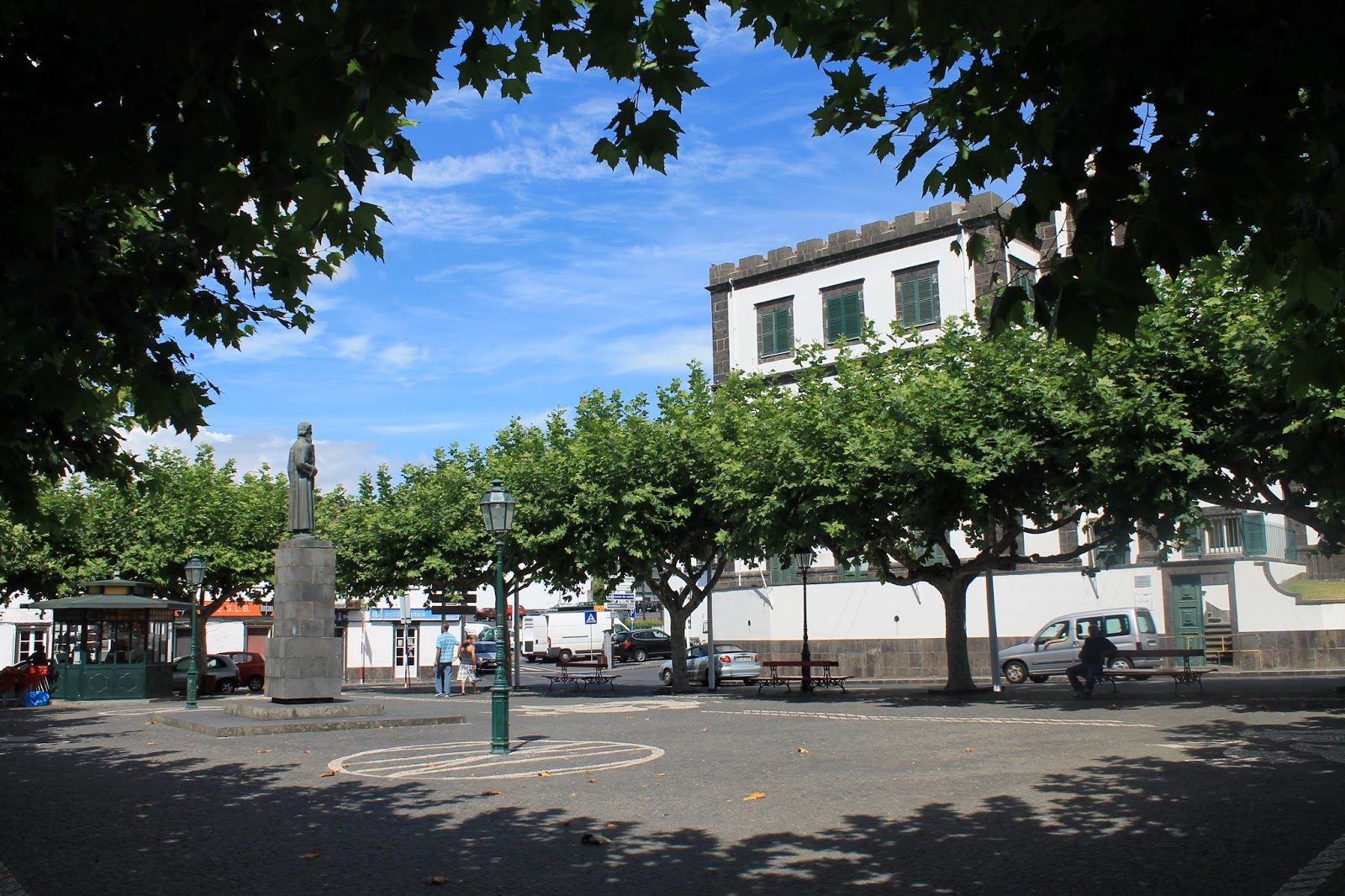
The town's central square lined with cafés and the 15th-century Igreja Matriz de São Miguel Arcanjo overlooking the harbor.
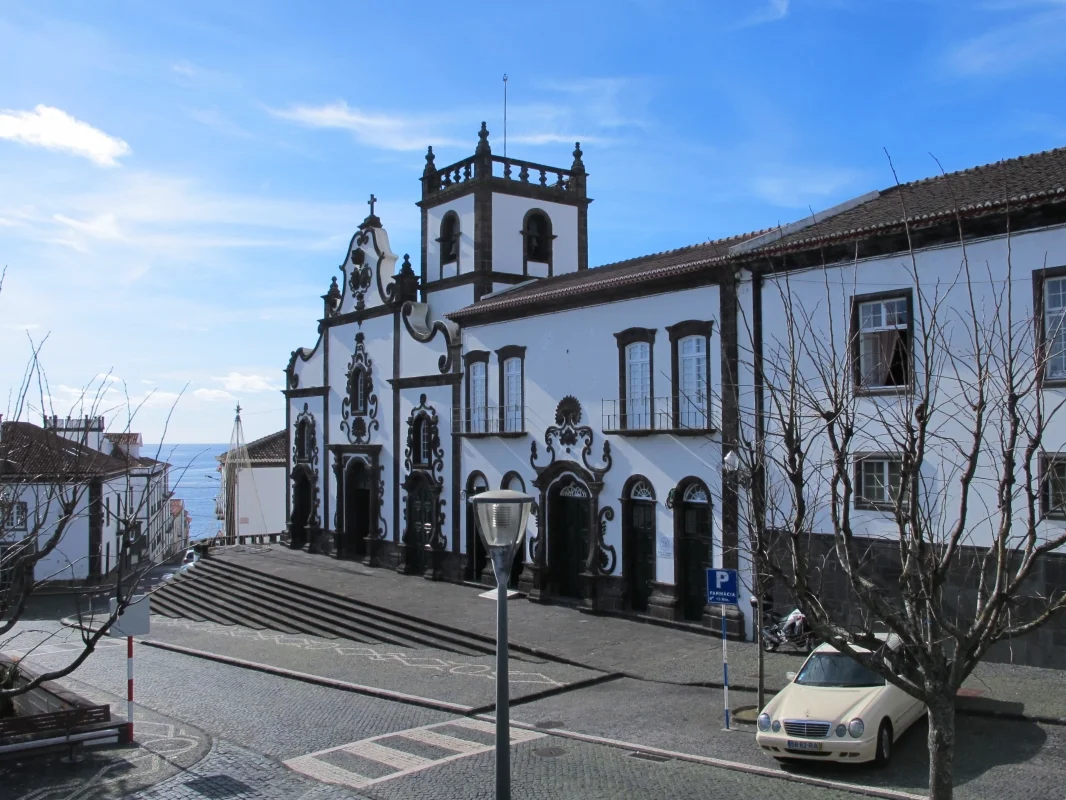
A whitewashed 15th-century parish church with a baroque interior facing the marina.
A hillside viewpoint overlooking the crater islet and the town's coastline, popular at sunset.
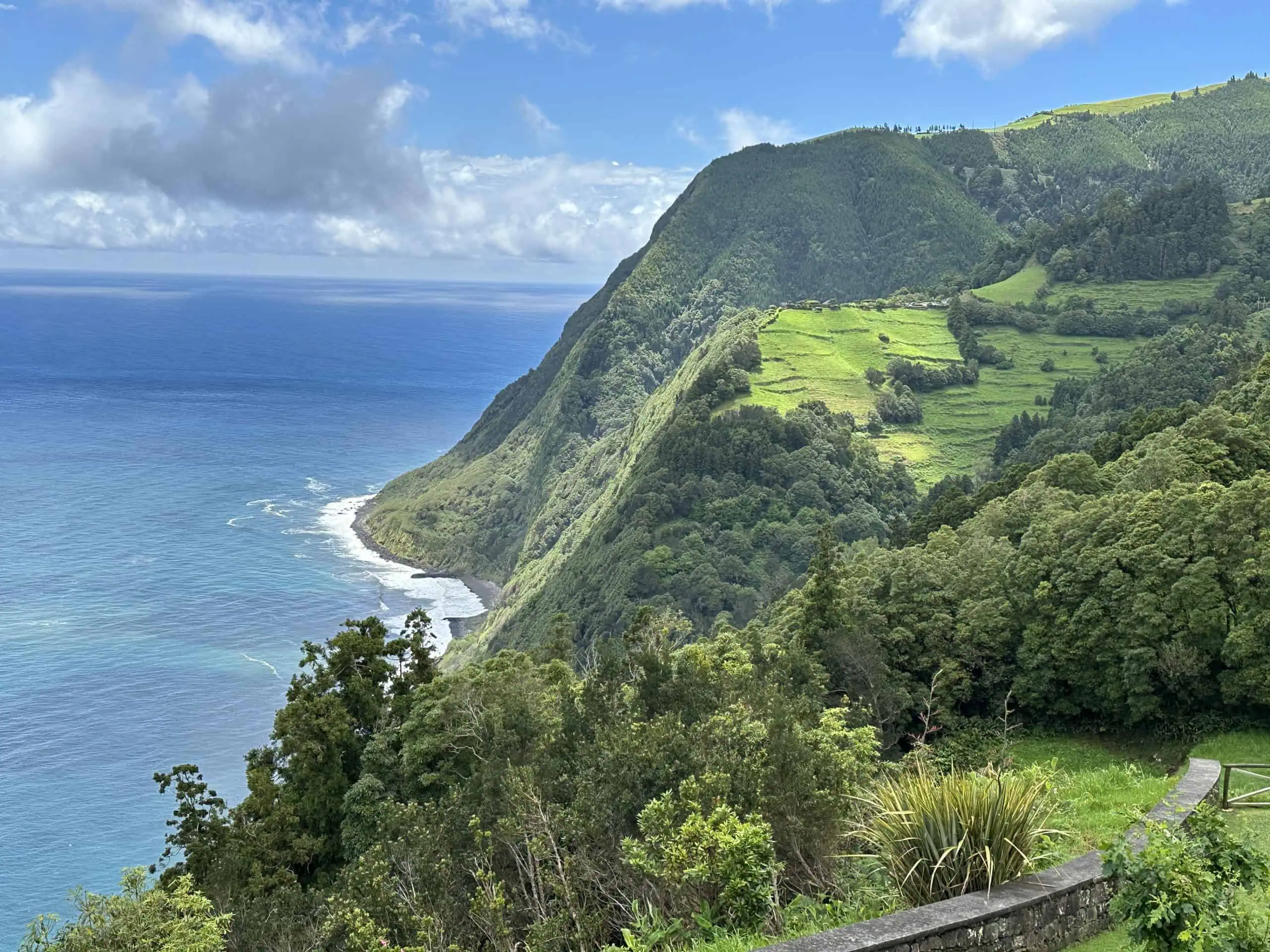
Basalt cliffs stretching east of town, visible from several coastal pullouts along the EN1-1.
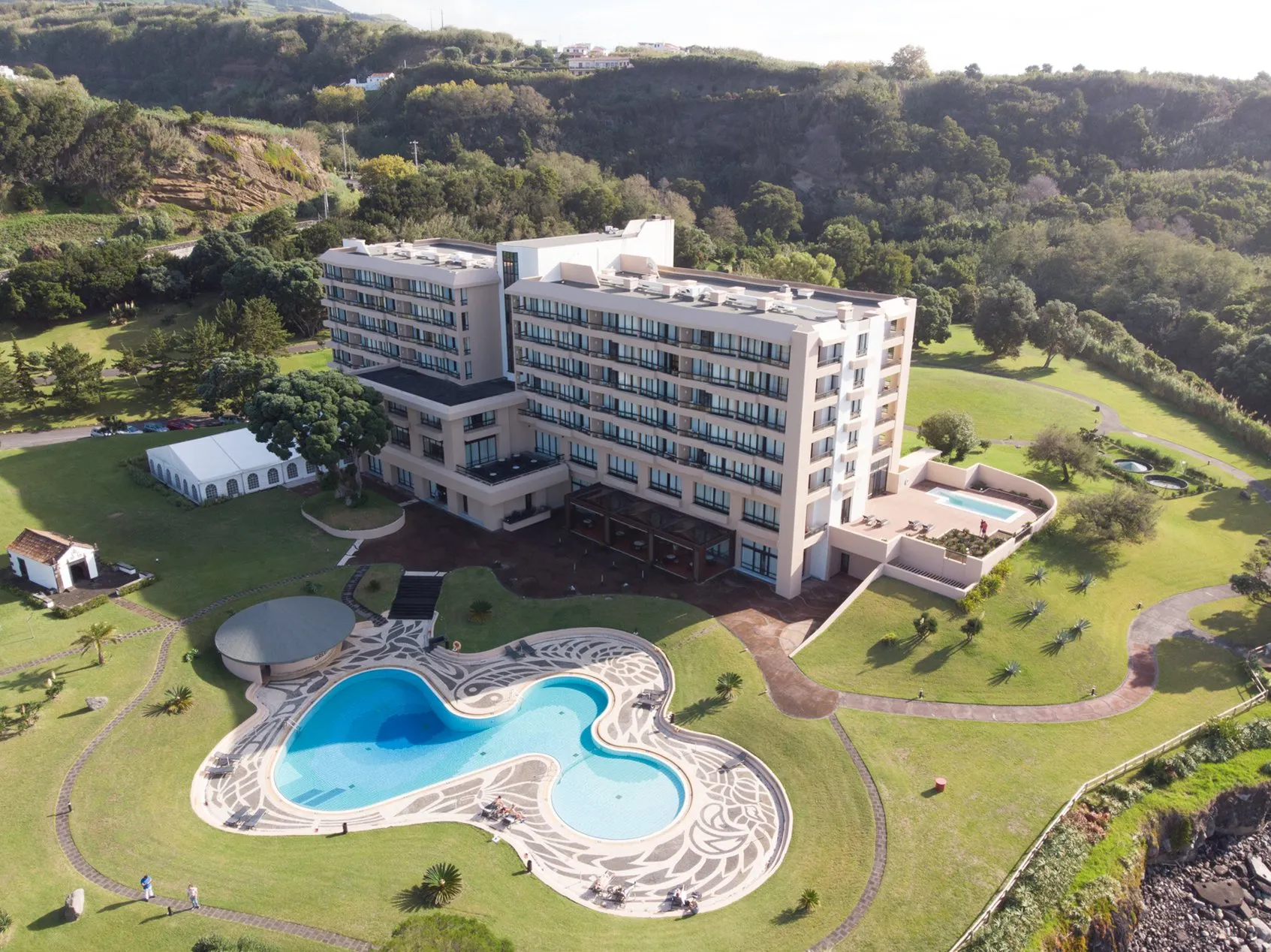
Beachfront hotel with pool terrace steps from the marina where snorkeling boats depart.
The marina-front town center holds most guesthouses and small hotels within walking distance of tour departures.
Adults-oriented boutique property with sea-view suites near Ponta Delgada.
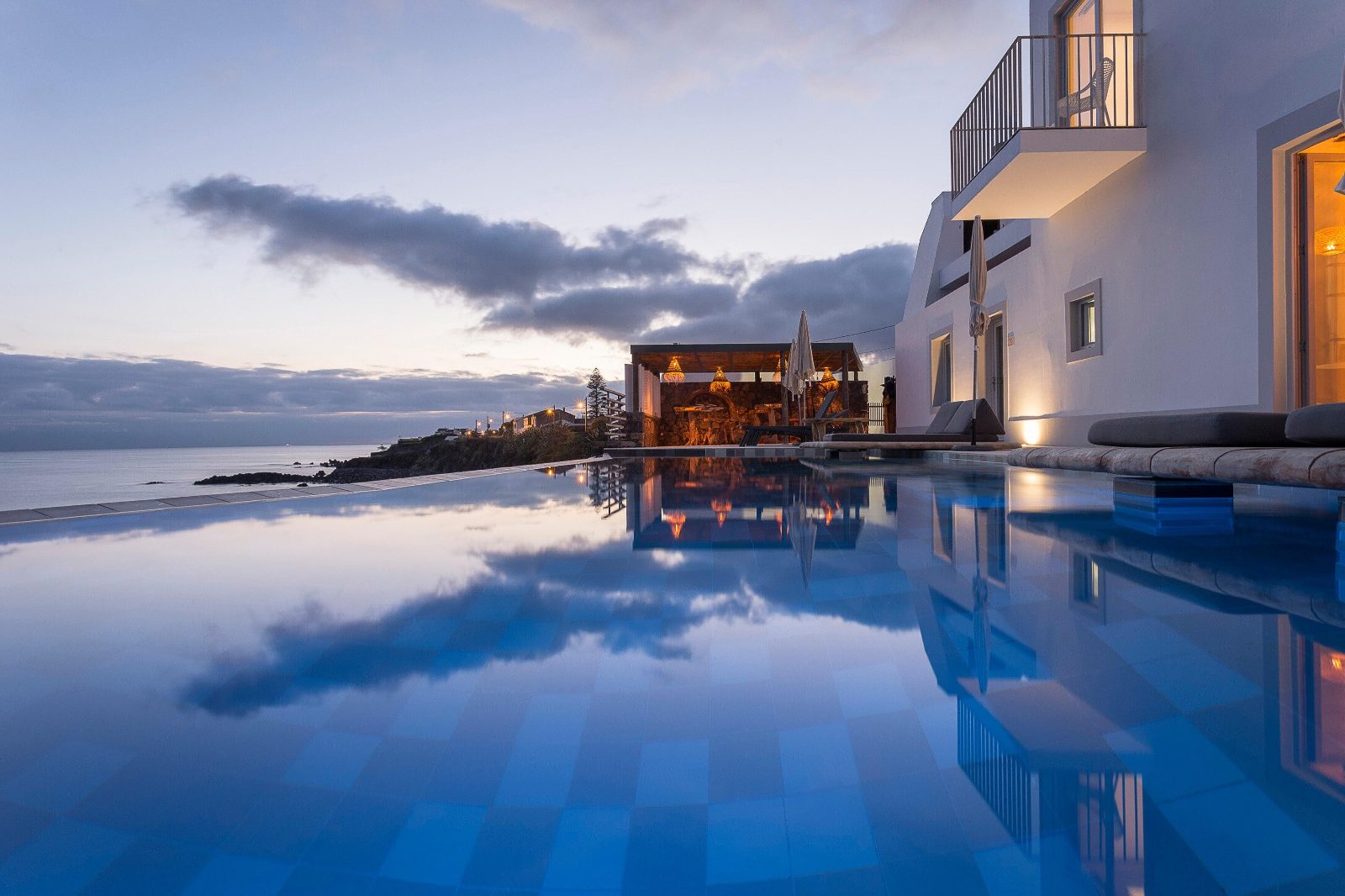
Waterfront hotel in Ponta Delgada with harbor views, a common base for day-tripping to Vila Franca do Campo.
Join thousands of happy travelers who have discovered this incredible experience
Book Your Experience Now