

Quick answer
Snorkeling with whales is strictly prohibited by law in the Azores. Portuguese marine protection regulations classify all cetaceans as protected species, making intentional swimming or snorkeling encounters with whales illegal throughout the archipelago. Violations carry substantial fines and operators risk license suspension. The law exists to prevent stress to migratory populations and eliminate collision risk in one of the Atlantic's most important whale corridors.
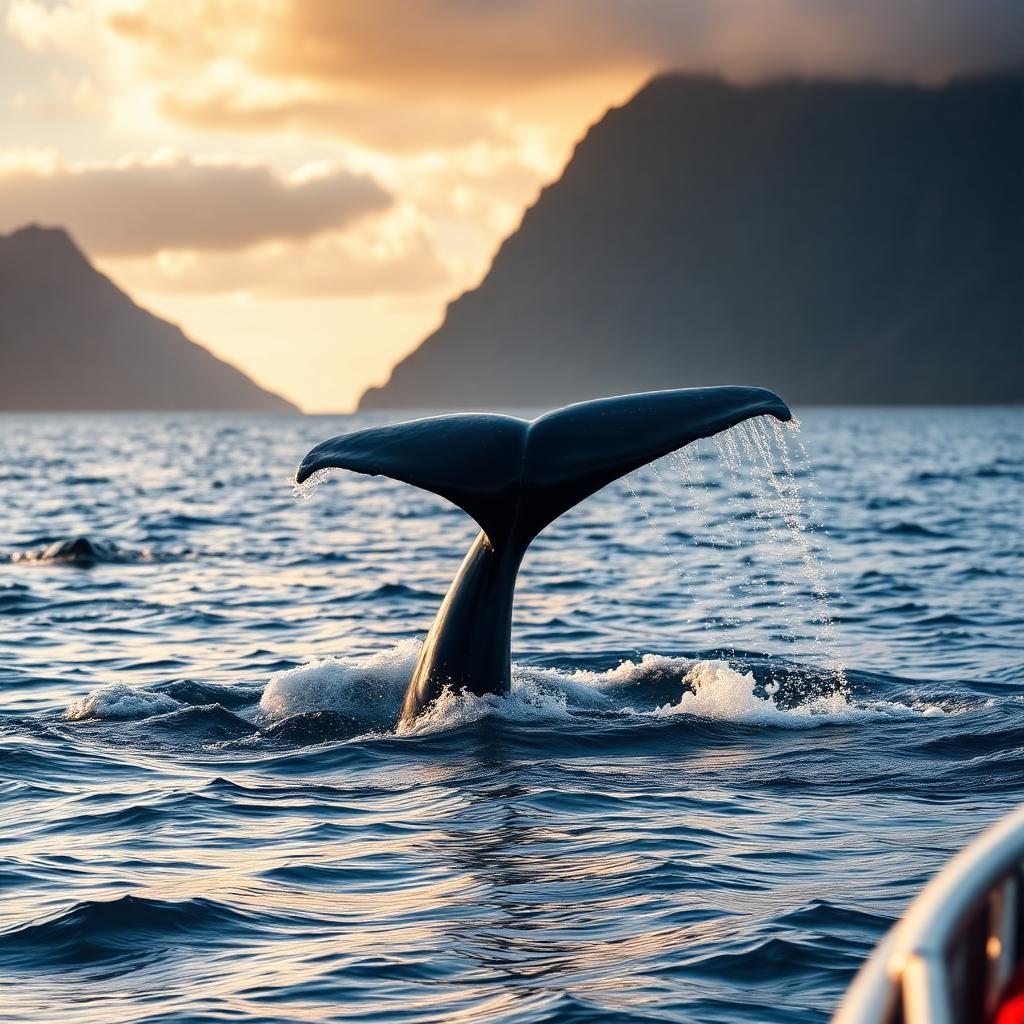
The Azores sit along one of the planet's densest whale migration routes, with more than twenty cetacean species documented in surrounding waters. Sperm whales, blue whales, and fin whales pass through the archipelago year-round, drawn by deep-ocean trenches and nutrient-rich upwellings between the islands. That abundance led Portugal to enact comprehensive marine mammal protections in the early 2000s, designating a exclusion zone around all cetaceans and criminalizing deliberate pursuit or harassment. The prohibition on azores snorkeling with whales stems from documented behavioral disruption. Research stations on Pico and Faial recorded stress responses when boats or swimmers approached resting pods, particularly mothers with calves. The law now requires all vessels to maintain a minimum distance of fifty meters from whales, with engine cutoffs mandatory within one hundred meters. Tour operators who violate proximity rules face license revocation, and individual swimmers who attempt contact risk fines exceeding two thousand euros. Regulated dolphin encounters remain legal under controlled conditions. Licensed marine biologists lead small-group snorkeling excursions with bottlenose and common dolphins, species shown to tolerate passive human presence when approach protocols are followed. These encounters occur only when dolphins initiate curiosity, never through pursuit, and sessions end immediately if the pod shows avoidance behavior. Participants receive pre-dive briefings on body language cues and mandatory no-touch policies. Whale watching from boats continues as the archipelago's signature marine experience. Observatories on coastal cliffs track pod movements in real time, radioing coordinates to licensed vessels that position for surface viewing without entering restricted zones. Spring and summer bring the highest sighting frequency, when baleen whales feed in offshore canyons before continuing north. Hydrophones allow passengers to hear vocalizations without approaching animals, and some operators deploy underwater cameras on tethered drones to capture behavior footage while maintaining legal distance. The framework prioritizes long-term population health over individual visitor experience, a model other Atlantic islands now replicate.
“Portuguese law requires all vessels to maintain fifty meters from whales, with deliberate in-water pursuit classified as criminal harassment.”
When Is Azores Snorkeling With Whales Possible?
The best time for regulated dolphin snorkeling in the Azores is between June and September when sea conditions are most stable. Please note that snorkeling with whales is not permitted at any time of year.
June–September
Moderate to high18°C–25°C. Calm waters and high visibility.
These months offer the most consistent weather for boat departures. Marine life activity is frequent during this period.
October–May
Low14°C–18°C. Frequent swells and rain.
Water temperatures are cooler and ocean conditions can be unpredictable. Fewer boat operators schedule snorkeling trips during these months.
Verdict: The best window for regulated dolphin snorkeling is from June to September.
Reaching the Azores for Regulated Marine Encounters
The Azores Archipelago is located in the North Atlantic Ocean, with Ponta Delgada on São Miguel Island serving as the primary hub for international arrivals. Travelers should focus their logistics on reaching the main harbors where licensed operators conduct regulated dolphin snorkeling excursions.
International flights to João Paulo II Airport (PDL)
Airport shuttle to Ponta Delgada city center
Licensed operator vessel from Ponta Delgada marina
Rules for Responsible Marine Wildlife Interaction
The Azores enforces strict marine-protection laws to safeguard cetacean populations. Visitors must follow regulated dolphin-encounter protocols and respect legal prohibitions on whale interaction.
Do
- Choose operators licensed for dolphin encounters only
- Maintain the minimum legal distance from all cetaceans
- Follow your guide's instructions on water entry and positioning
- Report any illegal whale-interaction activity to authorities
- Wear only reef-safe sunscreen to protect marine ecosystems
Don't
- Attempt to snorkel with whales—it is prohibited by law
- Touch, chase, or deliberately alter the course of marine animals
- Enter the water without explicit authorization from licensed guides
- Use flash photography or create loud noises near wildlife
- Book tours that advertise whale snorkeling or guaranteed close encounters
Check availability
Frequently asked questions about azores snorkeling with whales
Everything you need to know about azores snorkeling with whales