

Quick answer
All natural coastal swimming areas and snorkeling spots across the Azores are free to access, with no entrance fees or permits required. The archipelago's snorkeling sites span from São Miguel's shallow tidal pools to Faial's deeper volcanic drop-offs, with optimal underwater visibility occurring between 09:00 and 14:00 when sunlight penetrates the water column and wind conditions remain calm. Each island offers distinct underwater topography shaped by historic lava flows and basalt formations.
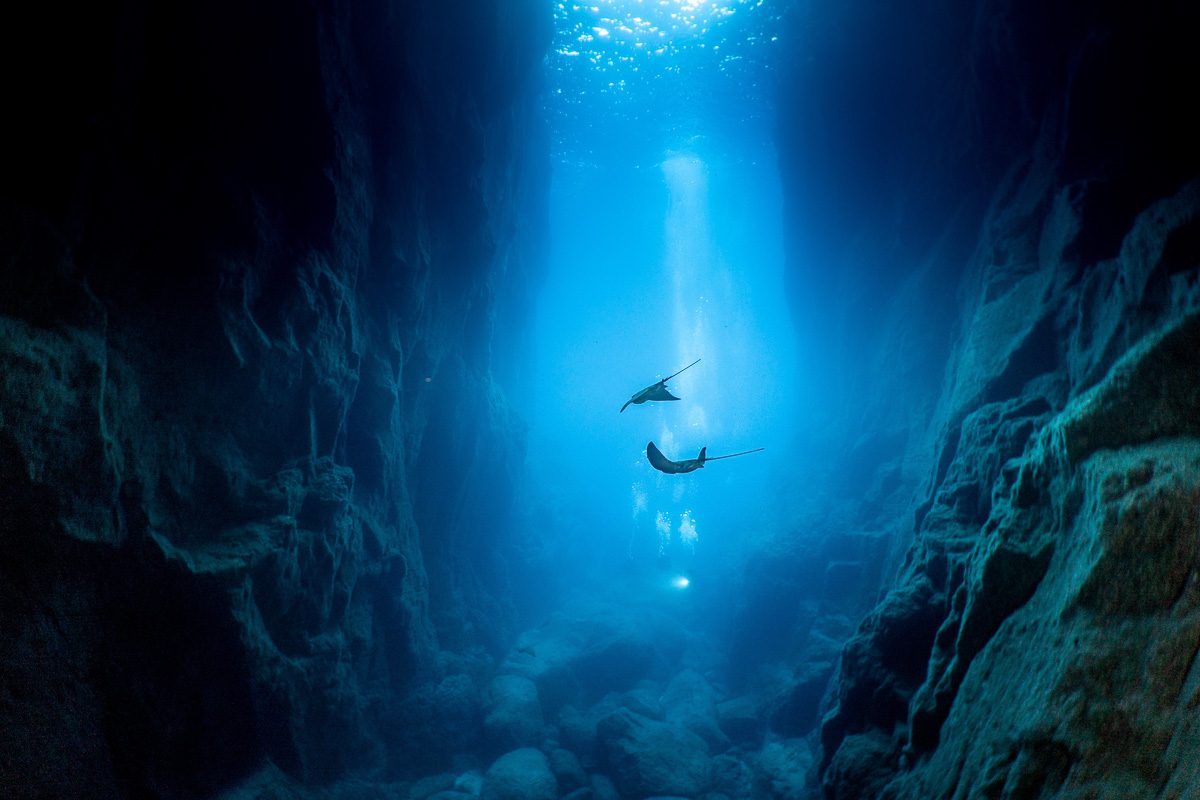
The Azores sits at the junction of three tectonic plates, a fact that explains why its coastline fragments into coves, arches, and submerged lava tunnels rather than stretching into continuous sandy beaches. Volcanic basalt forms the substrate for most snorkeling areas, creating habitat for parrotfish, damselfish, and seasonal visitors like mobula rays. São Miguel concentrates the highest number of accessible entry points, particularly along the southern coast where Caloura and Mosteiros provide sheltered bays with minimal current. Terceira's Baías da Agualva feature protected marine zones where spearfishing is prohibited, allowing fish populations to stabilize and grow less wary of swimmers. Pico and Faial sit close enough that boat transfers between islands take under thirty minutes, yet their underwater profiles diverge—Pico's western shore drops steeply into open ocean, while Faial's Porto Pim bay remains shallow and enclosed. Water temperature in the Azores ranges from 17°C in winter to 24°C in late summer, cold enough that most snorkelers wear at minimum a shorty wetsuit. Visibility fluctuates with plankton blooms and storms, but within the recommended morning window it typically reaches twelve to twenty meters. The archipelago lacks large predators; the primary concern is surge near exposed headlands and rocky exit points where swells compress against cliffs. Access to azores snorkeling spots requires no advance booking or registration. Parking exists near most entry points, though spaces fill quickly during July and August. The absence of lifeguards or on-site facilities means swimmers carry their own safety equipment and monitor conditions independently. Local dive shops offer guided snorkel tours for those unfamiliar with reading ocean state, but the majority of sites can be navigated without professional supervision if sea conditions cooperate.
“Volcanic basalt forms the substrate for most snorkeling areas, creating habitat for parrotfish, damselfish, and seasonal visitors like mobula rays.”
Best Time for Azores Snorkeling Spots
The optimal window for snorkeling in the Azores is between 09:00 and 14:00, when lighting conditions are most favorable and wind speeds are typically lower. While seasonal variations exist, the local sea state remains the primary factor for visibility.
June to September
HighWater temps 20°C to 23°C
Longer days provide more sunlight for extended sessions.
October and May
ModerateWater temps 18°C to 20°C
Transition months offer thinner crowds and reasonable visibility.
Weekday mornings
Low—
Best for calm waters and fewer people at popular spots.
Verdict: Prioritize the 09:00–14:00 arrival window regardless of the season to ensure the best visibility and water conditions.
How to Reach Azores Snorkeling Spots
Azores snorkeling spots are located at various locations across the Azores archipelago, Portugal. Reaching these volcanic pools and coastal bays typically requires personal transport, as public transit is limited in remote coastal areas.
Regional road EN1-1A (São Miguel)
Public bus network (e.g., Auto Viação Micaelense)
Local taxi services from major town centers
Pre-Visit Checklist for Azores Snorkeling Spots
Essential gear and safety checks for snorkeling in the Azores' Atlantic waters.
-
Pack reef-safe sunscreen (SPF 50+) — UV reflection off water intensifies exposure, and chemical sunscreens harm marine ecosystems.
-
Bring a wetsuit (3mm minimum) — Atlantic water temperatures range 17–24°C year-round, causing rapid heat loss.
-
Check ocean current forecasts — Strong currents between islands can quickly carry swimmers offshore.
-
Secure a waterproof bag for valuables — No facilities exist at remote coastal entry points.
-
Wear closed-heel fins and gloves — Volcanic rock formations are sharp and barnacle-covered.
-
Confirm weather and sea state — Wind shifts create surface chop that reduces visibility and complicates entry.
-
Arrange return transport in advance — Mobile coverage is unreliable at isolated snorkeling locations.
Check availability
Frequently asked questions about azores snorkeling spots
Everything you need to know about azores snorkeling spots