

Quick answer
Entry to dive sites is free, but boat-accessed locations include the charter cost in tour pricing.
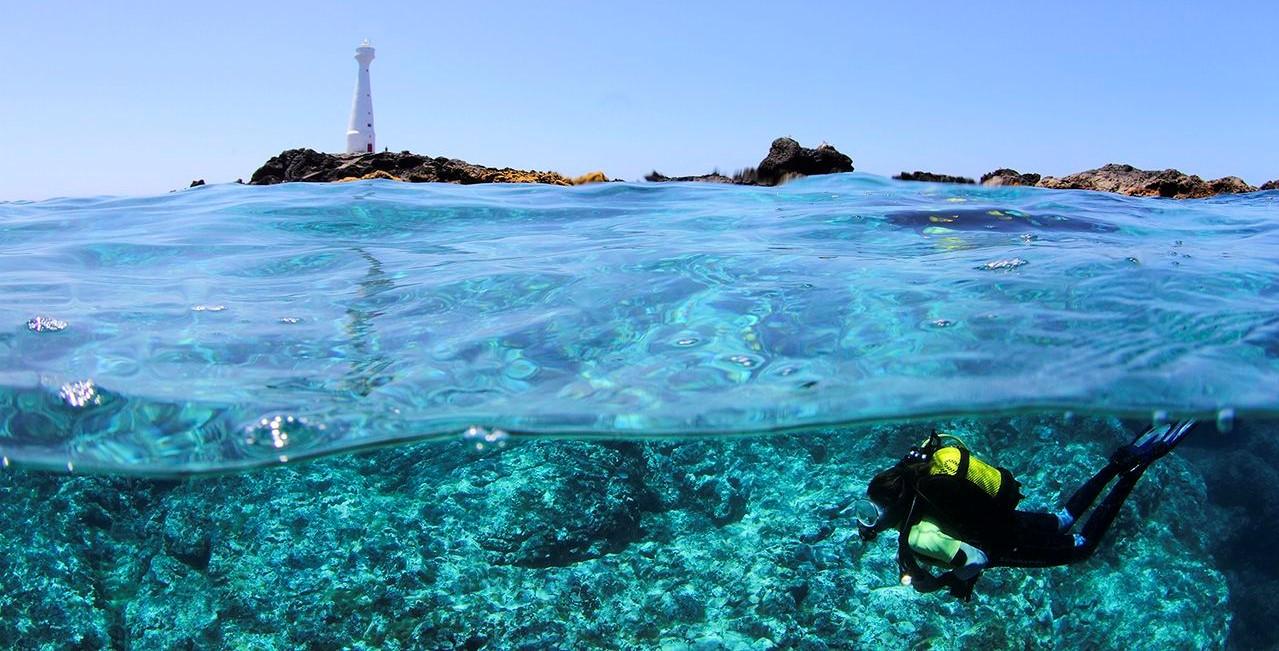
The Azores sit atop the Mid-Atlantic Ridge, placing divers directly above the tectonic boundary that formed the archipelago's submerged caves, arches, and drop-offs. This geological context shapes dive costs: operators here invest in specialized training for deep wall dives, current navigation, and access to remote offshore pinnacles where pelagic species congregate. Service fees reflect the logistics of Atlantic diving rather than tropical resort convenience. Costs for scuba excursions include boat transport, dive master supervision, and air fills—equipment is priced separately unless you book a package that bundles it. Certification courses require longer commitments and confined-water training before open-water dives, which accounts for their higher pricing. Dive budgeting in the Azores depends on your certification status and gear ownership. Certified divers bringing full kits pay only for guided dives and boat access, while those renting complete setups add per-day equipment fees. Beginners pursuing certification face upfront course costs but gain access to deeper sites and independent dive planning afterward. The archipelago's visibility—often exceeding 25 meters—and encounters with devil rays, groupers, and occasional whale sharks justify the investment for serious underwater photographers and marine life observers. Summer months see higher demand and fuller charters, so advance booking secures better rates and preferred departure times. Most services accept online reservations and provide wet suit rental as part of standard equipment packages, accommodating water temperatures that range from 17°C in winter to 24°C in late summer.
“The Azores sit atop the Mid-Atlantic Ridge, placing divers directly above the tectonic boundary that formed the archipelago's submerged caves, arches, and drop-offs.”
Understanding Azores Diving Prices and Admission Costs
Access to the facility is free, meaning visitors do not pay a general entry fee. Costs are only incurred when booking specific diving services, guided tours, or equipment rentals.
Best Time to Visit for Azores Diving Prices and Conditions
The best arrival window for diving in the Azores is 08:00–10:30. This timeframe ensures optimal conditions for boat departures and maximizes marine life visibility.
June to September
HighWarm water 22-24C, calm seas
Peak season offers the best conditions for pelagic sightings and calm surface waters.
April and May
LowCooler water 17-19C, variable
Spring offers fewer crowds and better availability for those comfortable with cooler water temperatures.
October and November
LowMild water 19-21C, occasional wind
Conditions remain stable, providing a quiet period for diving before the winter months.
Weekday mornings
Low—
Arriving between 08:00 and 10:30 provides the calmest sea state and best underwater visibility.
Verdict: The best time for optimal diving conditions is between June and September, arriving daily within the 08:00–10:30 window.
Pre-Visit Checklist for Azores Diving Prices and Logistics
-
Book your dive service in advance — Spots fill quickly during peak season, especially for morning departures.
-
Bring valid dive certification card — Operators require proof of certification level before boarding any dive boat.
-
Pack or arrange wetsuit rental early — Water temperatures vary by season; confirm thickness requirements when booking.
-
Confirm exact boat departure time — Morning slots between 08:00–10:30 offer best conditions but schedules shift with weather.
-
Arrive 30 minutes before departure — Check-in, gear fitting, and safety briefings happen dockside before boarding.
-
Have emergency contact information ready — Dive centers collect this during registration for safety protocols.
Check availability
Frequently Asked Questions About Azores Diving Prices
Everything you need to know about azores diving prices