

Quick answer
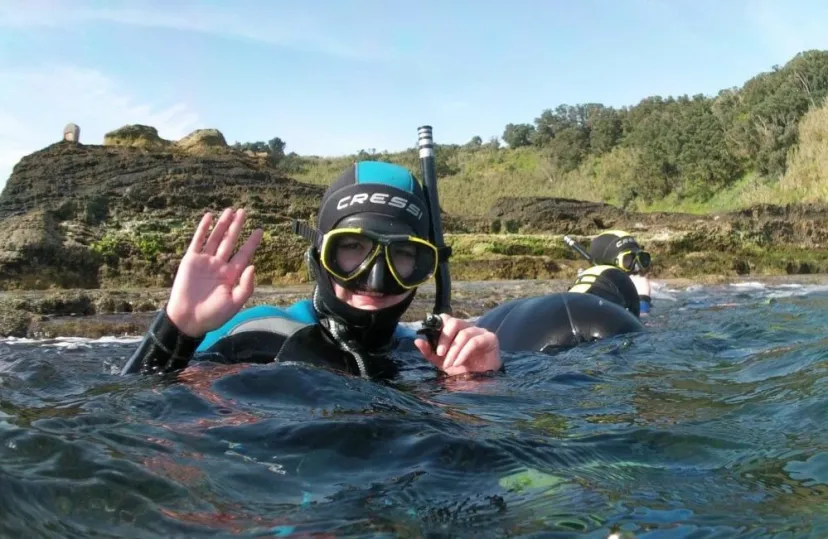
Yes, you can snorkel in the Azores throughout the year at no cost — public beaches and coastal areas are open 24 hours. Optimal conditions occur between May and October when water temperatures reach 19–24°C and visibility extends to 15–30 meters. Morning arrivals between 09:00 and 14:00 capture the calmest seas before afternoon winds pick up. Winter months bring rougher Atlantic swells that limit safe entry points, though sheltered bays on São Miguel and Terceira remain accessible.
The Azores sit 1,500 kilometers west of mainland Portugal, surrounded by deep Atlantic waters that host migratory species rarely seen closer to shore. Volcanic geology creates dramatic underwater topography — lava tunnels, basalt ridges and submerged calderas form natural habitats for parrotfish, damselfish and octopus. Surface water temperature ranges from 16°C in winter to 24°C in late summer, making a wetsuit advisable outside peak months. Can you snorkel in the Azores without specialized equipment? Most coastal entry points require nothing beyond mask, snorkel and fins. Protected marine reserves like Ilhéu de Vila Franca do Campo and Maia Islet prohibit motorized watercraft, preserving clarity and allowing close encounters with groupers and moray eels. Public access remains free, though some islets cap daily visitor numbers and require advance booking through local operators. Visibility depends on plankton blooms, storm runoff and seasonal currents. Spring and early summer deliver the clearest water, while autumn brings nutrient-rich upwellings that attract larger pelagics but reduce transparency. Coral formations are absent — the Azores lie too far north — but endemic algae species and sponge gardens cover rock faces at depths accessible to breath-hold divers. Snorkeling here means adapting to open-ocean conditions rather than tropical lagoon comfort. Practical access centers on São Miguel, Terceira and Faial, where coastal roads reach black-sand beaches and natural pools carved into lava platforms. Can you snorkel in the Azores independently? Yes, though local knowledge of swell patterns and rip currents proves valuable. Guides familiar with seasonal fish aggregation sites and safe entry windows operate from Ponta Delgada, Angra do Heroísmo and Horta. Check wind forecasts before committing to exposed coastlines — the same Atlantic energy that built these islands can make shore entry treacherous within hours.
“Volcanic geology creates underwater topography that shelters species found nowhere else in European waters.”
When Can You Snorkel in the Azores for Optimal Visibility?
The period between June and September offers the most reliable water temperatures and visibility for snorkeling in the Azores. Regardless of the season, the best arrival window is 09:00–14:00 to capitalize on calm morning waters before afternoon winds increase.
June–September
Moderate to high20°C–23°C water, calm seas
Warmest water temperatures allow for longer sessions in the Atlantic.
October–May
Low16°C–19°C water, variable conditions
Cooler temperatures require thicker wetsuits and more attention to weather forecasts.
Weekday mornings
Minimal—
Optimal visibility and calm water conditions before afternoon winds.
Verdict: For the highest probability of clear conditions, plan your visits between June and September during the 09:00–14:00 window.
Is It Free: Can You Snorkel in the Azores Without Fees?
Snorkeling in the Azores is a public activity, and access to the region's coastal waters and beaches does not require an entrance fee. There are no official ticketed access points for independent snorkeling.
Pro Tips for When You Snorkel in the Azores
Navigating the Atlantic requires specific preparation regarding safety protocols and equipment selection.
Monitor local maritime forecasts
Check the official marine weather reports for swell height, as the Atlantic conditions change rapidly regardless of wind.
Use a high-visibility float
Deploy a surface marker buoy when snorkeling away from shore to ensure visibility to passing boat traffic.
Select full-length exposure suits
Wear a 3mm to 5mm wetsuit to maintain core temperature during extended sessions in the cooler Atlantic waters.
Respect marine life distance
Maintain a minimum distance of 50 meters from cetaceans and avoid touching volcanic rock formations that host delicate hydroids.
Carry an underwater whistle
Attach a high-frequency plastic whistle to your gear for immediate signaling to your shore contact or boat crew if you experience a cramp.
Prioritize fins with rigidity
Opt for fins with sufficient blade stiffness to manage potential currents often encountered near the rocky volcanic coastline.
Pre-Visit Checklist: How Can You Snorkel in the Azores Prepared?
Pack the right gear and documents to make the most of Azores coastal waters.
-
Bring your own mask, snorkel, and fins — Rental options are limited outside major tour operators.
-
Pack a wetsuit or rash guard — Atlantic water stays cool year-round, typically 17–24°C.
-
Carry reef-safe sunscreen — Protect marine ecosystems while avoiding sunburn on exposed skin.
-
Download offline maps of coastal access points — Mobile signal can be weak along remote shorelines.
-
Arrive between 09:00 and 14:00 — Morning hours offer the best visibility and calmest conditions.
-
Bring a dry bag for valuables — Keep phones, keys, and documents safe near the water.
-
Check weather and sea conditions beforehand — Sudden swells can make safe entry points hazardous.