

Quick answer
Snorkeling Azores Pico is accessible year-round along the island's rocky volcanic coastline, with no entrance fees for coastal areas. Optimal light and sea conditions occur between 09:00 and 17:00, when visibility reaches 15 to 30 meters depending on swell and season. Tour operators offer guided excursions to specific lava formations and marine reserves, which involve separate fees and equipment rental.
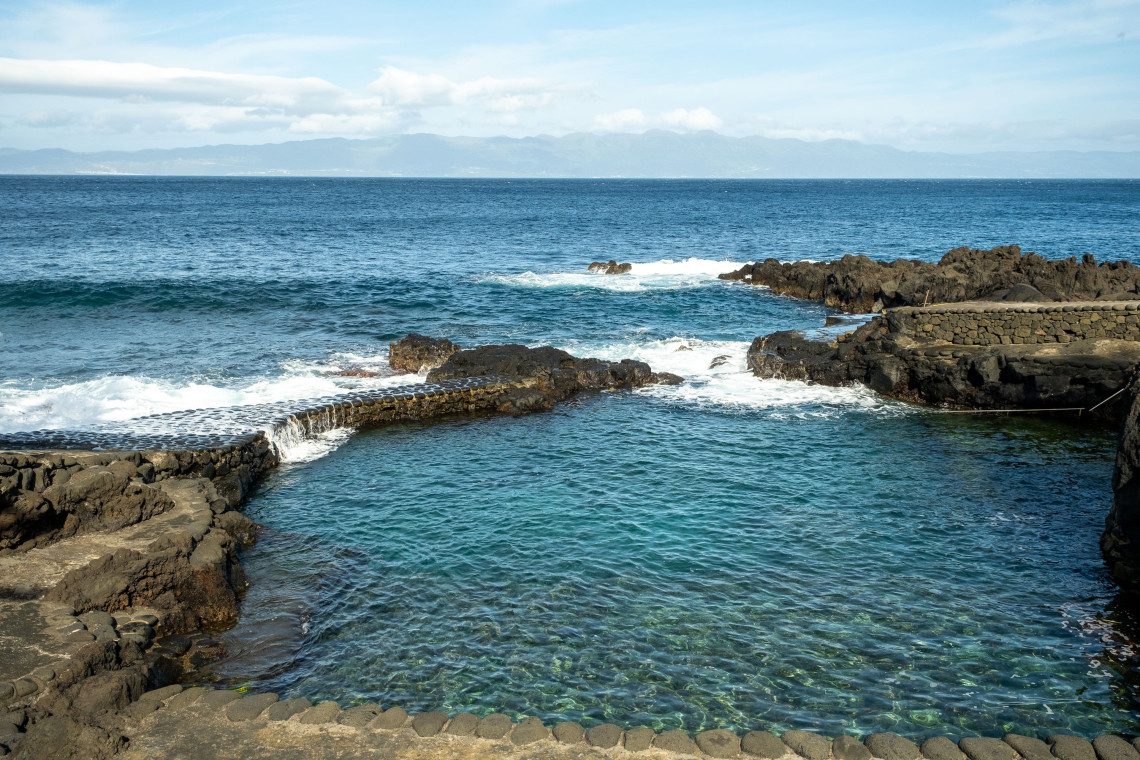
Pico's underwater landscape formed during the island's most recent eruptions between 1562 and 1718, when lava streams met the Atlantic and solidified into the columnar basalt structures visible today. These formations create swim-throughs, vertical walls, and cavities that shelter parrotfish, moray eels, and seasonal visitors like manta rays during summer months. The coastline lacks sandy beaches in most areas, meaning entry points are rock shelves where Atlantic swells break directly against the shore. Visibility along the Pico shoreline fluctuates with offshore currents and weather systems moving through the central Azorean archipelago. Morning hours from May through September typically deliver the calmest surface conditions and clearest water, with visibility extending beyond 20 meters when the North Atlantic High stabilizes. Winter months bring stronger swells and plankton blooms that reduce clarity to 10 meters, though water temperature remains mild year-round due to the Gulf Stream influence. The volcanic rock absorbs solar heat during midday, warming shallow tide pools to 22°C in summer, while open-water temperatures hold steady near 18°C. Most independent snorkelers access the water at Cachorro, a coastal village on Pico's northern shore where a natural harbor and stone pier provide sheltered entry. The site sits below the island's main town of Madalena and features submerged arches formed by collapsed lava tubes approximately 200 meters offshore. Local dive centers operate from São Roque do Pico on the island's northern coast, offering guided snorkel excursions to marine reserves around the Ilhéus das Cabras islets, where protected waters host schools of Atlantic horse mackerel and occasional dolphin pods. These tours include wetsuit rental and transport to launch points not accessible by foot. Snorkeling Azores Pico requires attention to tidal cycles and wind direction, as the exposed coastline experiences rapid changes in surface conditions when the wind shifts from southwest to northwest. Forecasting services specific to the Azores provide hourly swell predictions, which determine whether entry points remain viable on a given day. The basalt shelf edges drop steeply in many locations, transitioning from knee-deep water to five-meter depths within a few strokes, so buoyancy control and surface awareness matter more here than on gradual sandy-bottom sites.
“The basalt formations create swim-throughs and vertical walls that shelter parrotfish, moray eels, and seasonal manta rays.”
Optimal Timing and Conditions for Snorkeling Azores Pico
The period between July and September offers the most favorable conditions for snorkeling off Pico, with water temperatures peaking near 23°C. Visitors should prioritize the best arrival window of 09:00–17:00 to maximize underwater visibility along the volcanic coastline.
July–September
Moderate to high22°C–23°C; calm seas
Peak visibility and warm water temperatures favor extended sessions.
April–June
Low to moderate18°C–20°C; variable winds
Cooler water requires thermal suits; visibility remains clear.
Weekday mornings
Minimal—
Optimal light conditions provide the best underwater clarity for viewing marine life.
Verdict: For the best balance of visibility and water temperature, visit during July or August, arriving daily within the 09:00–17:00 window.
Daily Access Hours for Snorkeling Azores Pico Coastal Zones
Coastal snorkeling sites around Pico Island are accessible to the public at all hours of the day. These volcanic coastal zones remain open throughout the week for independent exploration.
| Monday | 00:00–23:59 | |
|---|---|---|
| Tuesday | 00:00–23:59 | |
| Wednesday | 00:00–23:59 | |
| Thursday | 00:00–23:59 | |
| Friday | 00:00–23:59 | |
| Saturday | 00:00–23:59 | |
| Sunday | 00:00–23:59 |
Entrance Fees and Service Costs for Snorkeling Azores Pico
Access to coastal snorkeling sites on Pico Island is free of charge. Costs only apply when choosing to book professional excursions with local operators.
A typical adult pays 0 EUR for shore access, while total costs fluctuate based on selected professional tour operator services.
Essential Preparation for Your Snorkeling Azores Pico Excursion
Pico's volcanic coastline requires specific gear and advance planning to snorkel safely along rocky shores.
-
Book your guided tour slot — Operators manage access to safe entry points along the rugged shoreline.
-
Pack a wetsuit (3–5 mm minimum) — Water temperatures range 17–23°C year-round, even in summer months.
-
Bring reef-safe sunscreen and a rash guard — Volcanic rock reflects intense sun; protect exposed skin during surface intervals.
-
Confirm weather and sea conditions 24 hours ahead — Swell and wind can make rocky entries dangerous or impossible.
-
Arrange transport to your departure marina — Most operators leave from Madalena or Lajes; confirm your pick-up location when booking.
-
Pack a dry bag for valuables — Boat transfers and shore entries involve water exposure and no secure storage.
Navigating to Snorkeling Azores Pico Sites
Pico Island is located in the central group of the Azores, accessible via its local airport or ferry terminals. The most effective way to reach diverse snorkeling spots along the rocky volcanic coastline is by private vehicle.
EN3 highway and secondary coastal roads
Public bus network (Pico line)
Ferry from Horta or Velas to Madalena
Check availability
Common questions about snorkeling azores pico
Everything you need to know about snorkeling azores pico