

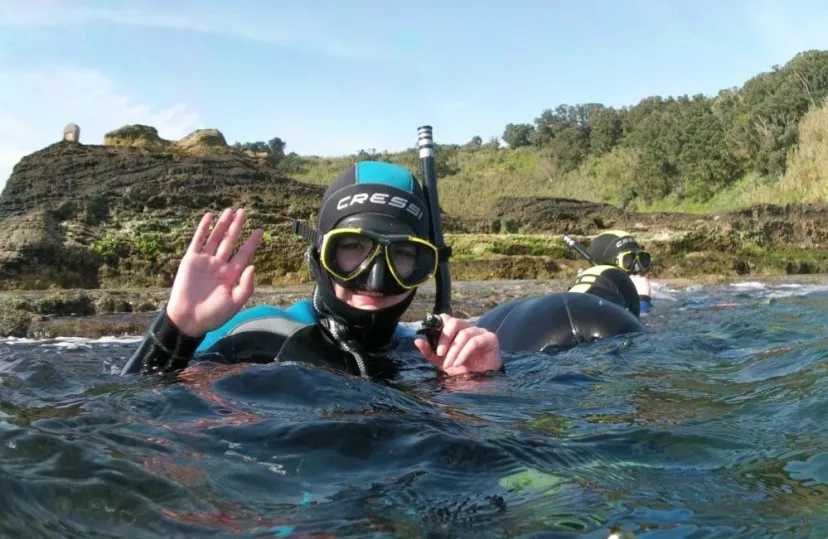
Quick answer
Azores snorkeling São Miguel is accessible year-round at public beaches and natural pools across the island's coast, with no entrance fees. The best visibility and light conditions occur between 09:00 and 17:00 during peak daylight hours. Waters are warmest from July through October, though snorkeling remains viable in other months with appropriate thermal protection. Conditions vary by coastline exposure, with calmer bays on the southern shore offering easier access for beginners.
São Miguel's underwater landscape formed through millennia of volcanic activity, creating submerged lava formations that now host endemic Atlantic fish species, crustaceans, and seasonal migratory visitors. The island's position in the mid-Atlantic places it along migration routes for sea turtles and dolphin pods, though encounters depend on season and luck. Marine biodiversity around São Miguel reflects both subtropical and temperate zones. Common sightings include parrotfish, damselfish, moray eels tucked into rock crevices, and occasional octopus in shallower areas. The volcanic substrate provides natural shelter and feeding grounds, particularly around the Islet of Vila Franca do Campo—a submerged volcanic crater turned nature reserve—and the western coastline near Mosteiros, where natural pools form at low tide. Water temperatures range from 17°C in winter to 24°C in late summer, influencing both marine activity and the need for wetsuits. Visibility on São Miguel's coast fluctuates with Atlantic swell patterns and plankton cycles. Calmer conditions typically prevail along the southern shore between Ponta Delgada and Água de Pau, while northern and western coastlines face more exposure to open ocean currents. Snorkeling in the Azores requires attention to wave height and tide schedules—protected bays become accessible during low tide windows, while rougher days make entry hazardous even for experienced swimmers. Gear needs for azores snorkeling sao miguel are straightforward: mask, snorkel, fins, and a wetsuit appropriate for the season. Rental equipment is available in Ponta Delgada and larger coastal towns, though serious snorkelers prefer bringing fitted gear. Most productive sessions occur during the two hours before and after solar noon, when sunlight penetrates deepest into the water column. Entry points are typically rocky rather than sandy, requiring reef-safe footwear and careful attention to surge patterns.
“São Miguel's volcanic substrate creates natural shelter and feeding grounds that support both subtropical and temperate marine species.”
Best Time for Azores Snorkeling São Miguel
The optimal window for snorkeling in São Miguel is from mid-June to September when water temperatures reach 22°C to 24°C. During these months, plan your sessions between 09:00–17:00 to capitalize on peak daylight hours and maximum underwater visibility.
June–September
Moderate to high22°C–24°C water; calm seas
Warmest water temperatures allow for longer sessions in the Atlantic.
October–May
Low16°C–19°C water; variable conditions
Cooler water requires thermal protection, and winter swells can limit coastal access.
09:00–17:00
Low to moderate—
This period offers the most consistent light for observing marine life in natural pools and bays.
Verdict: The best time for snorkeling is between July and September during the 09:00–17:00 daily window for the highest water temperatures and clear visibility.
Opening Hours for Azores Snorkeling São Miguel Access
Public beaches and natural pools on São Miguel Island remain accessible at all times for snorkeling activities. Access is available daily throughout the week.
| monday | 00:00–23:59 | |
|---|---|---|
| tuesday | 00:00–23:59 | |
| wednesday | 00:00–23:59 | |
| thursday | 00:00–23:59 | |
| friday | 00:00–23:59 | |
| saturday | 00:00–23:59 | |
| sunday | 00:00–23:59 |
Entrance Fees for Azores Snorkeling São Miguel
Snorkeling in São Miguel is a self-guided activity conducted at public beaches and natural pools. There are no entrance fees required to access these coastal locations.
A typical adult pays 0 EUR, as snorkeling is an entirely self-guided activity.
Getting to Azores Snorkeling São Miguel Locations
São Miguel Island is the largest in the Azores, featuring snorkeling spots scattered along its rugged coastline. A rental car is the most practical method for reaching remote natural pools and beaches effectively.
EN1-1A coastal roads to Vila Franca do Campo
Auto Viação Micaelense to Caloura
Direct transfer from Ponta Delgada
Checklist for Azores Snorkeling São Miguel Prep
Self-guided snorkeling at São Miguel's beaches and natural pools requires basic gear and safety preparation.
-
Pack mask, snorkel, and fins — Rental options are limited; bringing your own ensures proper fit.
-
Bring a wetsuit (3mm minimum) — Atlantic water averages 17–23°C year-round, even in summer.
-
Check ocean conditions before heading out — Swell and currents vary by site and can change quickly.
-
Carry reef-safe sunscreen — Protects marine life while preventing sunburn during surface intervals.
-
Bring a waterproof bag for valuables — No facilities at remote snorkeling spots like Mosteiros tide pools.
-
Pack drinking water and snacks — Limited services near natural pools and secluded coastal sites.
Check availability
Frequently asked questions about azores snorkeling sao miguel
Everything you need to know about azores snorkeling sao miguel